Understanding Double Rod Cylinder Structure Types Key Feature
Industrial automation is filled with fascinating components. But one device often sparks questions: What exactly is a double rod cylinder? Why do production lines prefer it over a standard cylinder? And how do you pick the right type for your machine?
If you’ve wondered about these things, you’re in the right place.
Let’s break everything down step by step — simply, clearly, and with real-world value.
✅ What Is a Double Rod Cylinder?
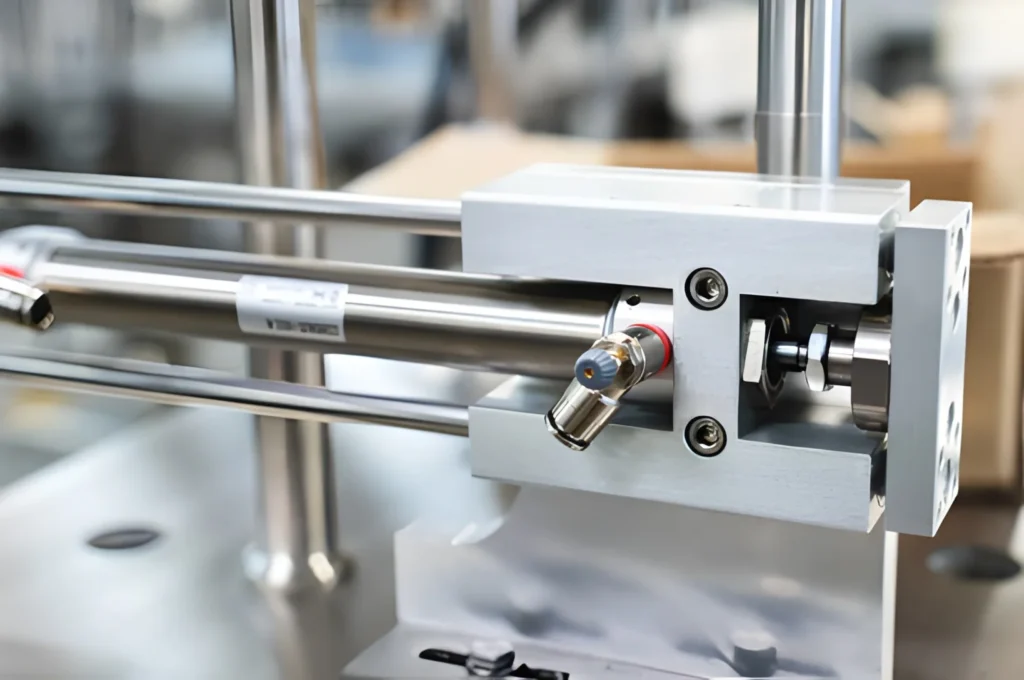
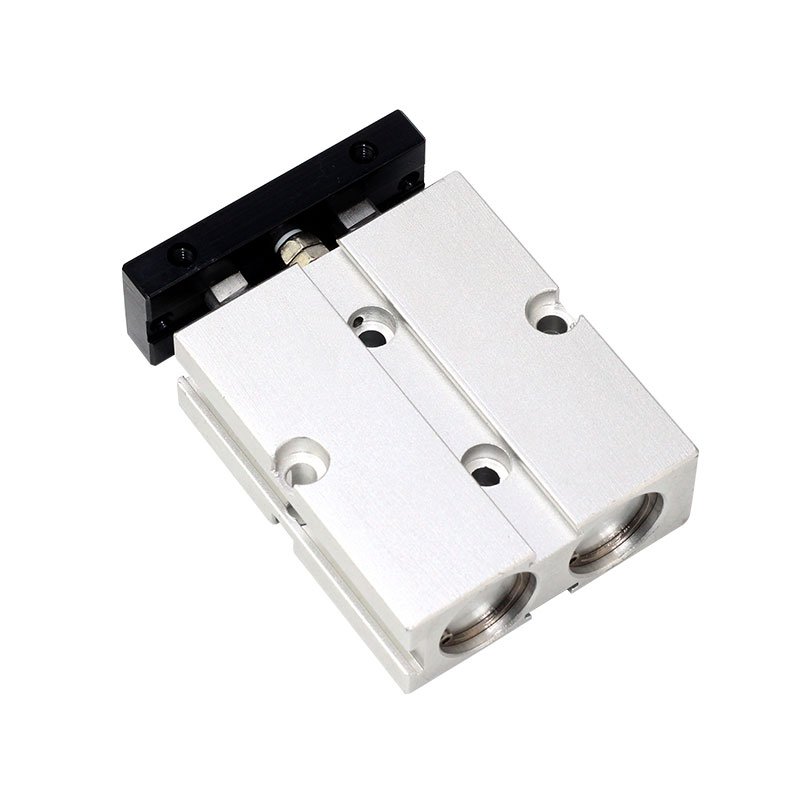
A double rod cylinder is a pneumatic actuator with a piston rod extending from both ends of the cylinder. Because the rod moves in and out on both sides, it delivers balanced motion, stable support, and accurate positioning.
Here’s a quick overview:
| Feature | Double Rod Cylinder | Single Rod Cylinder |
|---|---|---|
| Number of piston rods | Two | One |
| Force balance | Excellent | Limited |
| Stability | High | Medium |
| Anti-deflection ability | Strong | Weak |
| Precision capability | Very accurate | Normal |
It is often used in:
- Positioning fixtures
- Pick-and-place systems
- Automated testing
- Pneumatic clamping tools
👉 Need help selecting a model for your equipment? We can help analyze your working load and stroke requirements.
✅ Why Do Many Machines Prefer Double Rod Cylinders?
Short answer: more stability + more control.
Let’s look closer:
| Main Advantages | What It Means |
|---|---|
| Balanced force output in both directions | Precise linear motion |
| Not easy to rotate | Better positioning |
| Handles side loads well | Perfect for industrial automation |
| Both ends can connect to machinery | More design freedom |
| Long operational lifespan | Reduced maintenance |
It’s like the difference between a tightrope walker using two balancing sticks vs. one.
More balance, less wobbling.
✅ Main Components of a Double Rod Cylinder
Although shapes vary, most designs include these essential parts:
| Component | Simple Explanation | Why It Matters |
|---|---|---|
| Cylinder tube | Holds internal motion | Ensures airtight structure |
| Piston with dual rods | The moving heart of the device | Provides power + movement |
| End caps | Support the rods | Prevent leakage |
| Guiding bushings | Keep motion stable | Reduce deflection |
| Seals | Air-tight performance | Prevent air loss |
| Mounting options | Fit into machinery | Flexible installation |
Tip: High-quality seals = high-performance cylinders ✅
✅ Core Structure Types of Double Rod Cylinders
(Here are the designs you’ll see most often)
1️⃣ Guided Double Rod Cylinder
Designed for side loads and heavy-duty applications.
| Highlights | Uses |
|---|---|
| Strong anti-deflection | Clamping devices |
| Very smooth sliding | Robotics |
| Supports external load | Conveying systems |
If your device “pushes sideways” or needs strict positioning → choose this one.
📌 Ask us if you need help comparing guided structure models.
2️⃣ Standard Double Rod Cylinder
The simplest and most economical option.
| Advantage | Meaning for your design |
|---|---|
| Low cost | Budget-friendly |
| Basic dual-rod motion | Good for standard load |
| Compact structure | Easy to install |
Best choice for light loads and repetitive straight movement.
3️⃣ Double Rod Cylinder with Adjustable Cushion
Perfect for machines that operate quickly.
| Cushion Effect | Result |
|---|---|
| Softens end-stroke impact | Less vibration |
| Reduces noise | Better working environment |
| Protects internal parts | Longer product life |
If your cylinder moves at high speed → add cushioning ✅
4️⃣ Stroke Adjustable Double Rod Cylinder
Allows you to change the movement length.
| Why It’s Useful |
|---|
| One cylinder handles multiple product sizes |
| Saves space and cost |
| Perfect for flexible manufacturing lines |
This is ideal for industries dealing with different materials or dimensions.
5️⃣ Twin-Rod Parallel Guide Cylinder
When you need precision, choose this type.
| Feature | Performance |
|---|---|
| Double rods + external guide | Zero rotation |
| Extra strong load capacity | Handles large fixtures |
| Perfect positioning | Stable and accurate |
If accuracy is your priority… this version is your new best friend.
💡 Many robotic grippers rely on this structure.
✅ How To Choose the Right Double Rod Cylinder
Picking correctly saves both money and stress.
Here’s a simple checklist to guide you:
| Question to Ask | Why It Matters |
|---|---|
| How much load do I have? | Load decides rod size & guide strength |
| Is there side force? | Decide if guided type required |
| What precision level do I need? | High precision → twin-rod structure |
| How long is the stroke? | Too long without guiding = wobbling |
| What is the working environment? | Dust, chemicals → special seals |
👉 Send us your specs — we will recommend a precise solution.
✅ Common Problems and How to Solve Them
Nobody likes downtime. Here’s what you may encounter:
| Issue | Possible Reason | Quick Fix |
|---|---|---|
| Cylinder wobbling | Side load too high | Switch to guided version |
| Air leakage | Seal aging | Replace seals regularly |
| No power | Low air supply | Check air pressure ≥ specified level |
| Noisy movement | Cushion failure | Adjust or replace cushion |
| Rod stuck | Lack of lubrication | Apply proper grease |
🛠️ Preventive maintenance every 3–6 months always helps.
✅ Comparison Table: Common Double Rod Cylinder Types
| Type | Best For | Cost | Precision | Anti-Side Force |
|---|---|---|---|---|
| Standard | Basic motion | ★★☆☆☆ | ★★★☆☆ | ★★★☆☆ |
| Guided | Offset load handling | ★★★☆☆ | ★★★★☆ | ★★★★★ |
| Cushioning | High-speed action | ★★★☆☆ | ★★★☆☆ | ★★★★☆ |
| Stroke adjustable | Flexible production | ★★★★☆ | ★★★☆☆ | ★★★☆☆ |
| Twin-Rod | Accurate positioning | ★★★★★ | ★★★★★ | ★★★★★ |
If you want both precision and stability — choose twin-rod ✅
If you want better value — choose standard ✅
✅ Conclusion: Double Rod Cylinders Bring Stability to Automation
Double rod cylinders may look simple, but they provide huge improvements in industrial motion control:
- Stable and balanced force
- Better anti-rotation performance
- Reliable position accuracy
- Great for automation upgrades
Their structural design makes machines work smoother, faster, and longer.
Whether you are designing a new automation system or upgrading old equipment, selecting the right double rod cylinder can make everything easier. And remember — no selection is “one-size-fits-all.” Every machine has different needs!
📩 Need help choosing a double rod cylinder?
Send us your load, stroke, and usage details — we’ll give a free design recommendation!
FAQ
Do double rod cylinders cost more?
Yes, because structure is stronger and more precise.
Can they handle side force?
Absolutely — especially guided or twin-rod types.
How long do they last?
Depends on load, lubrication, and environment.
Are double rod and double piston cylinders the same?
No — structure and motion principles differ.
Where are they mainly used?
Robotics, clamping, conveyors, positioning tools.