
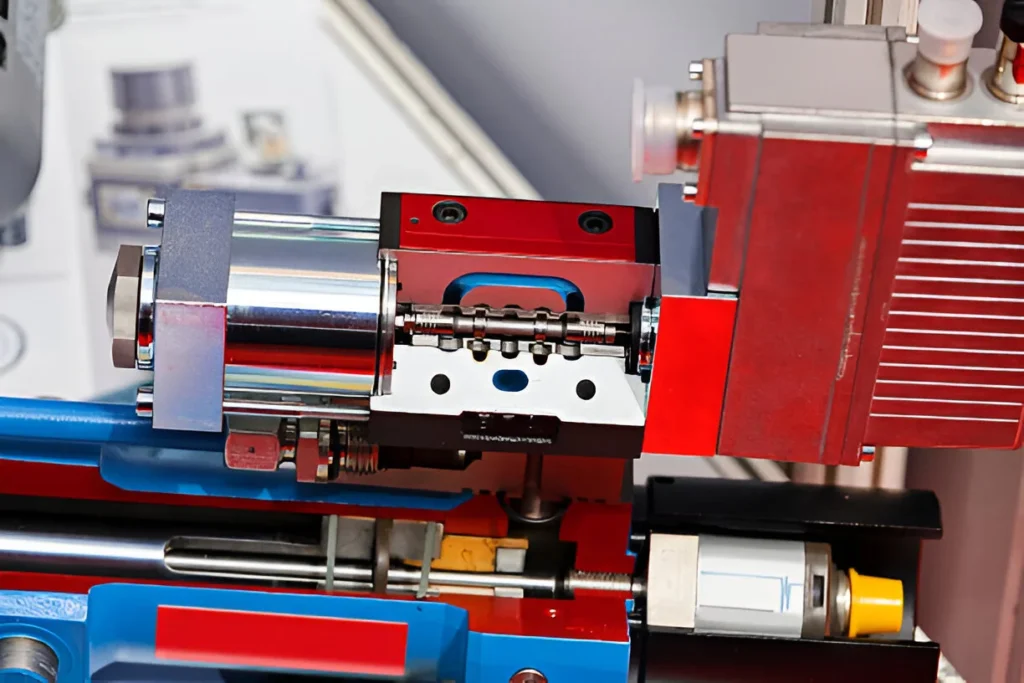
Demystifying the Compact Pneumatic Cylinder Electrical Symbol
Are you puzzled by the electrical symbol for a compact pneumatic cylinder? You’re not alone! With rapid growth in automation, identifying and understanding the right symbols on electrical schematics can save both time and costly mistakes. If you’re looking to specify, replace, or just get up-to-speed about compact pneumatic cylinders, knowing their representation in electrical drawings is crucial.
This article takes you through everything you need to know—from what a compact pneumatic cylinder is, why their electrical symbols matter, to how these symbols appear on circuit diagrams. Whether you’re an engineer, technician, or enthusiastic DIY-er, read on for practical insights, pro tips, and a clear guide to decoding automation schematics.
What is a Compact Pneumatic Cylinder?
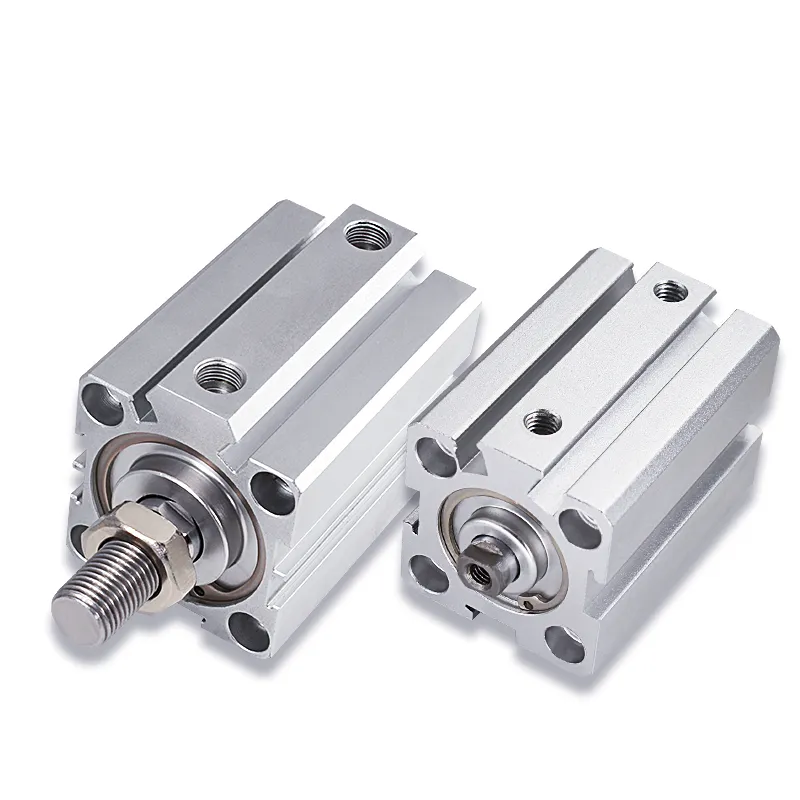
A compact pneumatic cylinder is a space-saving actuator powered by compressed air. Unlike standard cylinders, their short body length makes them perfect for installations where space is at a premium. From assembling electronics to handling small parts in automation lines, these little powerhouses pack a punch.
Main Features and Benefits
| Feature | Description |
|---|---|
| Space-saving design | Minimal installation footprint |
| Lightweight construction | Easy integration into machines |
| Fast response time | Optimal for rapid automation cycles |
| Multiple mounting types | Adaptable to different mechanical setups |
| Reliable and low-maintenance | Reduced downtime during long-term operations |
Despite their compact size, these cylinders deliver impressive force and speed. You’ll find them in robotics, packaging, medical devices, and more. But here’s the interesting part: the electrical symbol that represents these cylinders on circuit diagrams is often misunderstood or overlooked, leading to confusing errors when building or troubleshooting pneumatic automation systems.
Understanding Electrical for Compact Pneumatic Cylinder Symbol
When you see a compact pneumatic cylinder in the real world, it looks pretty straightforward—a small, robust housing with a rod or shaft. But when it comes to circuit diagrams, things get a bit abstract. So, what exactly does the compact pneumatic cylinder electrical symbol look like, and how does it differ from other pneumatic actuators?
Common Electrical Symbol Structure
First, it’s helpful to remember that most automation diagrams will represent pneumatic devices using simplified lines, rectangles, and arrows. For a standard pneumatic cylinder, the common symbol is a rectangle (the cylinder body) with a line (the piston rod) and sometimes arrows indicating directional movement. For a compact pneumatic cylinder, the symbol typically includes:
- A small rectangle representing the cylinder body.
- A single straight line for the piston rod.
- Additional markings (like “C” or similar notations) highlighting its compact design.
Some standards may incorporate extra lines to represent magnetic sensors or switches if the cylinder is equipped for electronic feedback.
Table: Visual Comparison of Cylinder Symbols
| Cylinder Type | Basic Symbol Example | Key Symbol Features |
|---|---|---|
| Standard Pneumatic | Rectangle with long rod | Simple rectangle, single rod line |
| Double-acting Cylinder | Two ports, double arrows | Two actuator arrows and ports marked |
| Compact Pneumatic | Small rectangle, short rod | Compressed rectangle, shorter piston rod |
Example:
Imagine opening an electrical schematic for a machine with tight space requirements—those smaller rectangles with abbreviated rods are likely your compact pneumatic cylinders.
Why Electrical Symbols Matter
Electrical symbols for pneumatic components aren’t just for show. They play a vital role in:
- Preventing mistakes during wiring and installation.
- Helping maintenance teams quickly identify replaced or faulty parts.
- Ensuring accurate communication between electrical and mechanical teams.
Neglecting symbol accuracy can lead to confusion, unexpected delays, or even equipment failure. Would you want a project derailed because two teams couldn’t agree on a symbol?
The Role of Compact Pneumatic Cylinder Symbols in Circuit Design
If you’re planning, troubleshooting, or upgrading an automation project, accurate circuit diagrams are your best friend. How do you ensure your compact pneumatic cylinders are correctly specified? Let’s look at the step-by-step impact of these symbols in modern industries.
For starters, designers choose compact pneumatic cylinder models specifically to fit into machinery where space is a crucial factor. Once selected, these components need to be placed in both the physical equipment and the system’s schematic representation. A misrepresented symbol could mean a standard cylinder gets ordered—which simply won’t fit!
Next, let’s consider interaction with electrical or electro-pneumatic control systems. Many compact cylinders feature integrated magnetic sensors (sometimes called reed switches) for end-of-stroke detection. In these cases, the electrical circuit must show both the actuator and the sensor in its logical, standardized form. Consistent use of the right symbols makes this explicitly clear.
Industry standards like ISO 1219 provide universally recognized templates for pneumatic cylinder electrical symbols—including the compact variety—but always check your application notes and vendor documentation for any unique adaptations. If you’re ever in doubt, consulting your supplier or downloading product datasheets can answer many questions. And yes, high-quality vendors (like us!) can advise you on the best match for your needs—just ask for a quick quote or send us your project’s technical details.
Differences Between Compact and Standard Pneumatic Cylinders
Anyone can see from a catalog that “compact” cylinders look… well, smaller. But their electrical and schematic notations take these physical differences into account, too!
Standard pneumatic cylinders use long, often unmistakable diagrammatic rod lines—a direct cue for their extended stroke length and body size. Compact pneumatic cylinders, by contrast, use either a proportionally smaller rectangle or are marked with a special notation (depending on the standard or CAD software) to ensure clear distinction. These symbols might be italicized, boxed, or annotated for clarity.
This attention to symbolic detail minimizes the risk of mixing up components during installation or maintenance. It also helps procurement teams order the right hardware the first time, ensuring project timelines stay on track.
As you dig into your schematic, check legends or symbol keys for any clarifying notes from the designer—it’s a simple step that can prevent major headaches later. Still lost? Product datasheets, manufacturer app notes, and supplier support lines are often just a click or email away.
And speaking of support: If you’re unsure which compact pneumatic cylinder fits your application, or you want the right symbol for your CAD design, why not contact us? Our experts respond fast and can match your requirements with certified documentation.
How to Read and Use Pneumatic Cylinder Symbols
Reading a pneumatic cylinder symbol doesn’t have to be complicated. Here’s a brief guide to interpreting these key details on a schematic drawing.
- Locate the symbol in question—look for a rectangle with an extending line.
- Check for any specific annotations, such as “compact,” “mini,” or special actuator types.
- Match the line and arrow markers to your actual hardware—are they double acting, spring return, or with position sensing?
- Use the legend or key provided by the schematics author to decode any non-standard marks.
- If in doubt, refer to ISO 1219 or other relevant international standards for comparison.
| Step | What to Check | What it Tells You |
|---|---|---|
| 1 | Is it labeled “compact”? | Device type and intended function |
| 2 | Are there sensor indicators? | Whether electrical feedback is integrated |
| 3 | Are arrows present? | Direction of operation (extend/retract) |
| 4 | Is there a part number attached? | Enables exact replacement or procurement |
Symbols are the universal language of engineering—don’t be shy about asking for clarification if a diagram isn’t clear!
The world of compact pneumatic cylinder symbol doesn’t have to be confusing. By following international standards, consulting your equipment legend, and asking for expert documentation, you can confidently read and create electrical diagrams that keep projects running smoothly.
When in doubt, it’s always smart to verify with your compact pneumatic cylinder supplier—don’t risk delays or mismatched parts. Ready to find the perfect compact cylinder for your next project? Browse our solutions or send us an inquiry today. Let’s keep automation simple, reliable, and compact—just like the cylinders themselves.
FAQ
What’s the difference between a pneumatic cylinder symbol and an electrical symbol?
In technical documentation, a pneumatic cylinder symbol specifically indicates the physical actuator, while the electrical symbol might also show associated sensors, wiring, and interface points. Some diagrams blend both, especially for compact cylinders with magnetic sensors.
How do I identify if a symbol refers to a compact type?
Most schematics will use a proportionally smaller or boxed rectangle, or an annotation like “compact” in text. Always verify with the key or legend if unsure.
Can I use the same symbol for a standard and a compact pneumatic cylinder?
Engineering best practice is to use specific symbols for each type, ensuring clear communication and helping with parts replacement in the future.
Which standards apply to compact pneumatic cylinder electrical symbols?
ISO 1219 and ISO 14617 are globally recognized standards providing guidance for all types of fluid power symbols, including compact actuator types.
Where can I get customized compact pneumatic cylinder symbols for my project?
Many CAD libraries and manufacturer datasheets include downloadable symbol files. If you need tailored symbols, or if your project has unique requirements, just reach out—our team can provide both technical support and documentation.