Compact Cylinder A Comprehensive Guide to Applications Style
Compact cylinders are essential components in automation, robotics, and machinery where space is at a premium. Their small footprint belies a versatile range of capabilities, from precision actuation to compact linear motion solutions. This guide explores what compact cylinders are, the common design variants, and how to choose the right one for your project. If you’re ready to streamline your next automation build, consider reaching out for a quick consultation or a product quote.
What is a Compact Cylinder?
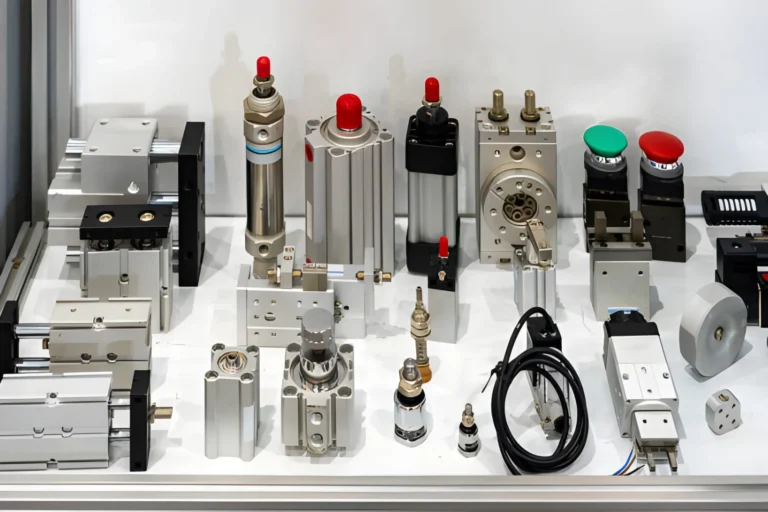
A compact cylinder is a type of pneumatic or hydraulic actuator designed to provide linear motion in tight spaces. Unlike larger, traditional cylinders, compact models pack the same core motion principles into a smaller envelope. This makes them ideal for confined workcells, compact robotic grippers, and mini-assembly lines. The core benefits include faster installation, reduced footprint, and predictable, smooth motion. When you’re dealing with limited mounting space or sensitive environments, the compact cylinder often becomes the natural choice.

Why Size Matters
Space is a limiting factor in many modern machines. A compact cylinder delivers the same essential functions as a standard cylinder but with a fraction of the space. This enables more flexible machine layouts, easier maintenance access, and opportunities to consolidate auxiliary hardware. In practice, engineers often prioritize compact cylinders when retrofitting existing systems or designing compact automation cells. The result is a system that feels lean without sacrificing performance.
Key Design Variants
- Pneumatic compact cylinders: Utilize compressed air to generate force. They’re simple, clean, and fast, with a wide range of bore sizes and stroke lengths.
- Hydraulic compact cylinders: Use fluid pressure for higher force at shorter strokes. They’re well-suited for heavy-duty micro-press or clamping tasks.
- Electric compact cylinders: Employ servo or stepper motors to produce controlled linear motion. They excel in precision positioning and repeatability.
- Magnetic or zero-backlash variants: Minimize play to improve accuracy in tight tolerances.
- Sensing-equipped models: Integrated sensors for position feedback, enabling closed-loop control.
Table: Common Specifications to Compare
| Specification | Why it matters | Typical ranges |
|---|---|---|
| Bore diameter | Determines force output | 6–50 mm commonly found |
| Stroke length | Travel distance | 5–300 mm depending on model |
| Mounting style | How it attaches to machinery | Standard feet, clevis, or special brackets |
| Actuation type | Pneumatic, hydraulic, or electric | P, H, or E variants |
| Operating pressure | Required air or fluid pressure | 3–10 bar for pneu, higher for hydraulic |
| Temperature range | Environment compatibility | -20°C to 80°C common |
Choosing the Right Compact Cylinder
When selecting a compact cylinder, consider:
- Load requirements: Estimate peak and steady-state forces. Electric variants may offer higher precision with consistent results.
- Stroke and speed: Ensure the stroke length matches the required travel. Speed should align with the process cycle time.
- Mounting and integration: Check available mounting options and compatibility with existing brackets or guides.
- Environment: Temperature, humidity, and exposure to dust or chemicals influence material choices.
- End-of-stroke features: Cushioning, adjustable end-of-stroke stops, and position sensing improve lifecycle performance.
Applications Across Industries
Automation and robotics: Space-saving actuators enable compact grippers and tight-tolerance pick-and-place systems.
Electronics manufacturing: Precision positioning and quick cycling support high-throughput assembly.
Packaging lines: Short-stroke actuators handle labelers, sealers, and dosers in compact footprints.
Medical devices: Clean, compact actuation for bench-top equipment and assistive devices (note cleanliness and material compatibility).
Food and beverage: Stainless variants resist corrosion and are easy to sanitize.
table: Industry Fit and Cylinder Type
| Industry | Preferred cylinder type | Key considerations |
|---|---|---|
| Automation and robotics | Electric or pneumatic compact cylinders | Precision, speed, and cycle life |
| Electronics manufacturing | Pneumatic with integrated sensors | Cleanliness, quick cycling, compact form |
| Packaging | Pneumatic with cushioning | Quiet operation, reliability under speed |
| Medical devices | Electric or pneumatic with corrosion resistance | Hygiene, sterilization compatibility |
| Food & beverage | Stainless steel compact cylinders | Wash-down capability, food-contact materials |
Maintenance and Longevity
Regular inspection: Check for leaks, wear on seals, and any play in the rod.
Lubrication strategy: Some models are pre-lubricated; others require periodic lubrication according to manufacturer guidance.
Seal materials: Nitrile, Viton, or other elastomers suit different chemicals and temperatures.
Alignment and mounting: Misalignment can lead to accelerated wear and reduced performance.
End-of-life plan: Schedule part replacements before failures disrupt production.
Risk-Mitigation and Troubleshooting
- Uneven or sluggish movement: Check for air leaks, insufficient supply pressure, or binding guides.
- Dead zones or missed positions: Confirm sensor calibration and wiring integrity.
- Overheating under use: Ensure operating duty cycle, check for excessive load, and verify cooling if required.
- Squeaks or rough starts: Inspect mounting hardware and ensure smooth slides.
Practical Implementation Scenarios
Small robotic gripper integration
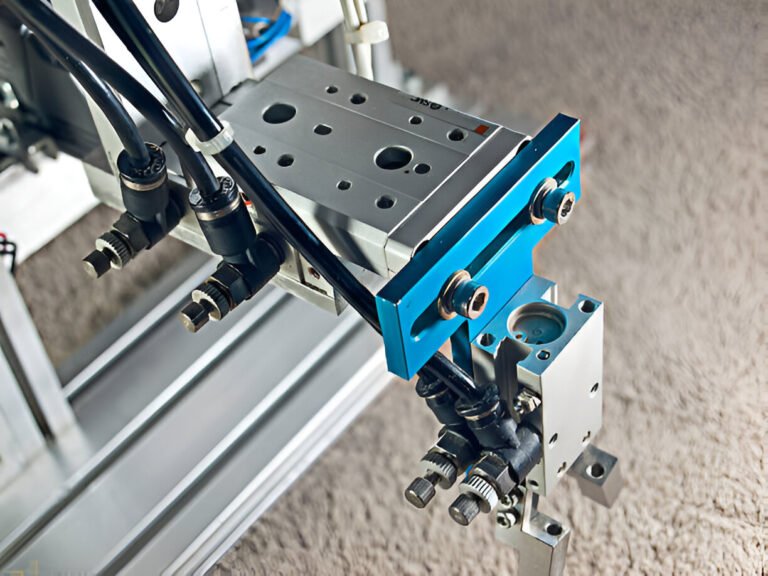
A compact cylinder can drive a gripper jaw with high repeatability. When space is tight, the cylinder’s short stroke combined with a precise end-of-stroke stop yields consistent grips. Pair it with a position sensor to confirm a closed state, reducing the risk of missed picks. If the application demands quick cycles, consider a pneumatic model with a cushioned stop to dampen impact and extend life. For an OEM-focused narrative, emphasize how a compact cylinder reduces assembly height, enabling more flexible gripper geometries and easier integration into existing robot arms.
Micro-machining feed mechanism
In micro-machining, precision and repeatability matter more than raw speed. An electric compact cylinder delivers controlled displacement with minimal backlash. Path planning can exploit micro-stepping and high-resolution encoders. The result is stable material engagement that improves surface finish and dimensional accuracy. Highlight maintenance considerations: tight seals and a robust guide system reduce backlash over time, preserving the machining’s quality.
Food-grade packaging line improvements
Corrosion resistance and cleanability are critical in food processing. A stainless-steel compact cylinder resists wash-down and helps meet hygiene standards. Integrate surface-mounted sensors for fault detection without compromising cleanability. Use a low-friction coating on the rod to minimize residue transfer and simplify cleaning routines. The result is a more reliable packaging line with less downtime.
Compact cylinders blend space efficiency with dependable performance. They empower designers to build compact, high-output systems without sacrificing precision or reliability. Whether upgrading a legacy line or crafting a new automation cell, these actuators offer a practical path to tighter layouts and faster cycles. If you’re planning a project that could benefit from a compact cylinder, start by outlining your space constraints, required force, and cycle time. Then reach out for expert guidance or to receive a tailored quote. Your next compact automation win could be just a well-chosen cylinder away.
FAQ
What is a compact cylinder?
It is a small-footprint actuator that provides linear motion, available in pneumatic, hydraulic, and electric variants.
When should I choose electric over pneumatic?
For precise positioning and repeatable motion, electric variants are preferred; for higher speeds and simpler maintenance, pneumatic often works well.
How do I ensure longevity in a tight space?
Choose models with robust end-of-stroke cushioning, high-quality seals, and sensors for monitoring position. Regular maintenance is essential.
Can compact cylinders handle harsh environments?
Many are available with corrosion-resistant materials and seals designed for temperature and chemical exposure. Select models based on your environment’s specific demands.
Do compact cylinders require special mounting?
Most come with multiple mounting options such as feet, clevis ends, or integrated brackets. Verify compatibility with existing frames.