Ferrule Plumbing Fittings Benefits Types and Installation Tips
If you’re tackling plumbing repairs or installations, understanding ferrule plumbing fittings is a game changer. These simple but essential components ensure leak-proof, secure connections across various tubing types—from copper to PEX—without the hassle of soldering or special tools. Whether you’re a DIY homeowner or a professional plumber, knowing how to pick and install the right ferrule fitting can save you time, prevent costly leaks, and boost system reliability. In this post, you’ll get clear, practical insights into what makes ferrule fittings a plumbing must-have and why choosing high-quality options like those from ZZJYT can make all the difference. Let’s get started!
What Is a Ferrule Fitting?
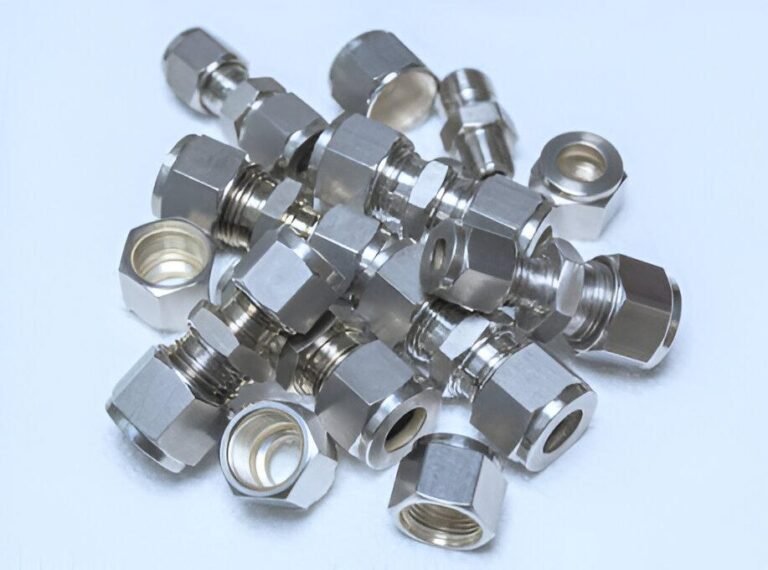
A ferrule fitting is a type of compression fitting ferrule widely used in plumbing to join tubes or pipes securely without soldering or welding. It consists of three core components:
- Nut: Tightens the assembly and applies pressure.
- Ferrule(s): Also called sleeves, these ring-shaped pieces deform slightly under pressure to grip the tubing.
- Body: The main fitting part that houses the tubing connection.
When you tighten the nut over the ferrule, the ferrule compresses onto the tubing, creating a tight, leak-proof tube connector by pressing the tube against the fitting body. This compression seal is reliable and durable, allowing easy assembly and disassembly without damaging the pipe itself.

How Ferrule Fittings Differ from Other Types
Unlike soldered fittings that require heat and skills or push-fit fittings designed for quick, tool-free installation, ferrule fittings offer a middle ground of strong mechanical connection and ease of use. Compared to flared fittings, which require special tools to flare the tube end, ferrule fittings simplify installation by relying on compression alone.
In , ferrule plumbing fittings provide a dependable, reusable, and tool-friendly solution for tubing connections, especially when working with copper, PEX, or other rigid and semi-rigid plumbing materials.
Types of Ferrule Fittings
Ferrule plumbing fittings mainly come in two designs: single ferrule and double ferrule. Single ferrule fittings use one compression sleeve (ferrule) that seals the tubing when tightened. They are simple and cost-effective but best suited for lower pressure systems. Double ferrule fittings feature two ferrules—a front ferrule that grips the tube and a back ferrule that locks in place, offering a stronger seal and better resistance to vibration. These are ideal for higher pressure and more demanding applications.
Material choices for ferrule fittings vary based on the plumbing need. Brass ferrule sleeves are common in general plumbing due to their durability and corrosion resistance. For more demanding environments, stainless steel ferrules provide excellent strength and rust resistance. Copper ferrules suit copper pipe applications, while plastic ferrules are found in lighter-duty setups or where chemical resistance is needed.
Ferrule fittings come in various configurations to fit plumbing layouts:
- Straight unions connect tubing inline,
- Elbows change the direction of flow,
- Tees allow branching of lines,
- and adapters connect different types or sizes of tubing.
Each type ensures a secure tubing compression seal tailored to specific plumbing applications. For detailed tubing connections, you might also explore how copper barb connectors complement ferrule fittings in water supply lines.
Advantages of Ferrule Fittings in Plumbing
Ferrule fittings stand out in plumbing because they offer excellent leak resistance and handle vibration well, making them reliable for long-term use. The compression created by the ferrule sealing around the tubing ensures a strong, secure fit that minimizes leaks even under pressure.
Installation is straightforward and doesn’t require special tools or soldering, making plumbing compression fittings a go-to for quick repairs and new setups alike. This simplicity saves time and labor costs.
Another big plus is their reusability. Many ferrule fittings can be disassembled and reassembled without damaging the ferrule nut assembly, which is handy when modifying or upgrading a system. Plus, they’re compatible with a variety of tubing materials, including copper, PEX, and stainless steel, increasing their versatility in different plumbing projects.
From a budget perspective, ferrule fittings are cost-effective. They reduce the need for expensive equipment or skilled labor and offer durable, long-lasting connections, which helps keep overall project costs down whether you’re working on residential water supply lines or appliance hookups. For quality brass options, you might want to check out copper locknut connectors that complement ferrule fittings perfectly, enhancing your plumbing setup.
Overall, ferrule fittings combine ease, durability, and affordability, making them a smart choice for many plumbing needs.
Common Applications in Plumbing Systems
Ferrule plumbing fittings are widely used across various plumbing setups due to their reliability and ease of use. They are ideal for water supply lines and shutoff valves, providing a secure, leak-proof tube connector that withstands daily wear and tear. You’ll often find these fittings connecting appliances such as refrigerators and dishwashers, where a strong yet easily removable joint is essential.
In gas lines, ferrule fittings can be used in low-pressure systems where approved, thanks to their secure compression seal that minimizes leaks. They also work well for repairs involving different tubing materials — including copper, PEX, or polyethylene tubing — making them versatile for both new installations and maintenance work.
Their adaptability extends to various tubing types and plumbing environments, offering dependable performance without the need for soldering or specialized tools. For those who want quick and efficient assembly, exploring related products like our quick couplers can enhance installation speed and reliability in compatible systems.
How to Choose the Right Ferrule Fitting
Picking the right ferrule fitting depends on a few key factors to ensure a perfect, leak-proof tube connector:
Key Factors to Consider
| Factor | What to Look For |
|---|---|
| Tubing Material | Brass ferrules fit well with copper or PEX tubing; stainless steel suits corrosion-prone or high-pressure lines. |
| Tubing Diameter | Match the ferrule size exactly to tubing OD for proper compression seal—too small or large causes leaks. |
| Pressure Requirements | Single ferrule fittings work fine for low to medium pressures; double ferrule fittings handle higher pressures reliably. |
| Environment | For corrosive or high-temperature setups, prioritize stainless steel or brass over plastic ferrules. |
Sizing and Compatibility Tips
- Always verify tube outer diameter (OD) before ordering.
- Consider tubing wall thickness when selecting ferrule types.
- Check pressure ratings on fittings, especially for gas or hydraulic lines.
- Think about whether your tubing is rigid or flexible; some fittings suit certain tubing better.
When to Choose ZZJYT Customization
ZZJYT offers tailored ferrule fittings for unique projects such as unusual tubing sizes, specific material combinations, or demanding pressure/environment needs. Custom solutions ensure:
- Perfect fit and seal for non-standard tubing
- Improved durability for harsh environments
- Enhanced compatibility with your plumbing system
If your project needs specialized compression fitting ferrules or niche tubing connections, ZZJYT customization is your best option.
For more on fittings suitable for copper or PEX tubing, you can explore our detailed PE copper locknut connectors which align with common plumbing compression fittings standards.
Step-by-Step Installation Guide for Ferrule Plumbing Fittings
Installing ferrule fittings is straightforward with the right tools and attention to detail. Here’s how to do it properly for a leak-proof tube connector.
Tools Needed and Tubing Preparation
- Basic tools: Adjustable wrench or two, pipe cutter, and a deburring tool.
- Prepare tubing: Cut the tubing squarely with a pipe cutter. Remove burrs with a deburring tool to ensure a smooth surface. This helps the ferrule seat evenly, avoiding leaks.
- Clean the tubing: Wipe off dirt, grease, or moisture to ensure a strong seal.
Assembly Process for Single and Double Ferrule Types
- Slide the nut and ferrule(s) onto the tubing: For single ferrule fittings, place the nut first, then the ferrule. For double ferrule types, slide the nut, then front ferrule and back ferrule in order.
- Insert tubing into the fitting body: Push it in until it reaches the internal stop.
- Thread the nut onto the body: Turn by hand initially to avoid cross-threading.
Tightening Best Practices
- Use wrench(s) to tighten securely: For compression fitting ferrules, after hand-tightening, use a wrench to turn the nut about 1 to 1.5 turns more (follow manufacturer advice).
- Avoid over-tightening: This can crush the tubing or deform the ferrule, causing leaks.
- Don’t under-tighten: Insufficient compression leads to poor sealing and potential leaks.
Testing for Leaks Post-Installation
- Pressure test the connection: Once assembled, slowly pressurize the system—check around the fitting for any drips or moisture.
- Re-tighten slightly if needed: If a minor leak appears, tighten the ferrule nut a bit more with a wrench.
- Replace damaged parts if leaks persist: Damaged ferrules or tubing may need replacement.
For high-quality ferrule fittings and accessories ideal for copper or PEX tubing, consider reliable products like the PE copper ferrule connector or durable stainless steel ferrule connectors to ensure robust compression seals every time.
Common Problems and Troubleshooting
Ferrule plumbing fittings are reliable, but issues can still pop up if not installed correctly. Leaks are the most common problem, usually caused by improper tightening or damaged ferrules. Over-tightening can crush the tubing or deform the ferrule, while under-tightening results in a weak compression seal, causing leaks.
Reuse limitations are important to know. While some ferrule nut assemblies can be reused, ferrules themselves often lose their sealing ability after removal and should be replaced to ensure a proper leak-proof tube connector. Always inspect the ferrule for cracks, wear, or distortion before reuse.
Stubborn fittings or tubing problems can happen if fittings have been over-tightened or the tubing is damaged. To fix this:
- Replace the ferrule and nut if damaged.
- Cut and prepare tubing ends cleanly for a better seal.
- Use the proper tightening technique to avoid under- or over-compression.
- In cases where tubing is hard or brittle, consider using fittings made of compatible materials like stainless steel ferrules for extra durability.
If you face repeated leaks after troubleshooting, it might be worth upgrading to double ferrule tube fittings for a stronger seal or consulting suppliers for custom sizes tailored to your project needs. Checking out various plumbing compression fittings and accessories can also help avoid common issues during installation.
For a smooth installation or replacement process, you can find detailed tips in the ferrule installation guide, designed to help with both single ferrule compression and double ferrule fittings.
Maintenance and Best Practices for Ferrule Plumbing Fittings
Keeping your ferrule plumbing fittings in top shape is key to preventing leaks and ensuring long-term performance. Here’s what to keep in mind:
- Regular Inspection: Check fittings periodically for signs of wear, corrosion, or cracking, especially at the ferrule nut assembly and tubing connection points. Early detection can stop leaks before they start.
- Durability in Water Conditions: Brass ferrule sleeves and stainless steel ferrules hold up well in most water types, but hard or acidic water can shorten lifespan. Use corrosion-resistant materials if your plumbing faces harsh conditions.
- Installation Checks: Make sure ferrules remain properly compressed—not loose or over-tightened. Over time, vibration or temperature changes can affect the compression seal, so re-tighten if necessary.
- Safety First: Always turn off water supply before inspecting or repairing ferrule compression fittings. Use the right tools to avoid damaging sensitive compression parts or tubing.
By following these best practices, your compression fitting ferrule system will stay leak-proof and durable, saving you time and repair costs down the line. For quality replacement ferrule fittings and accessories, consider trusted suppliers with customization options to match your project needs.
Why Choose ZZJYT Ferrule Fittings
When it comes to ferrule plumbing fittings, ZZJYT stands out for quality and reliability. Our fittings meet strict quality standards, crafted from top materials like brass, stainless steel, and copper, ensuring long-lasting performance and strong compression seals. Whether you need single ferrule compression fittings or double ferrule tube fittings, we offer a wide range to suit different plumbing and instrumentation needs.
Key Benefits of ZZJYT Ferrule Fittings
| Feature | Benefit |
|---|---|
| High-quality materials | Durable brass ferrule sleeves, stainless steel, and copper options |
| Wide product range | Includes straight unions, elbows, tees, and adapters |
| Customization options | Tailor fittings for your specific tubing size and pressure needs |
| Wholesale pricing | Competitive rates for bulk orders and ongoing supply |
| Reliable supply chain | Consistent availability for large or small projects |
Our plumbing compression fittings are designed for easy installation, leak resistance, and vibration tolerance — perfect for water, gas, and low-pressure tubing systems. Plus, ZZJYT offers expert support and quick turnaround for custom orders, ensuring you get the right ferrule nut assembly every time.
Looking for a trusted ferrule fitting supplier with flexible options? Contact ZZJYT today for a quote or more info on our compression fitting ferrule solutions.
For detailed fittings that work well with pneumatic and control systems, check our LFR series filter regulators and 2W solenoid valve series to complement your setups.