Brass Ferrule Compression Fittings Guide High Quality Durable Options
What Is a Brass Ferrule Compression Fitting?
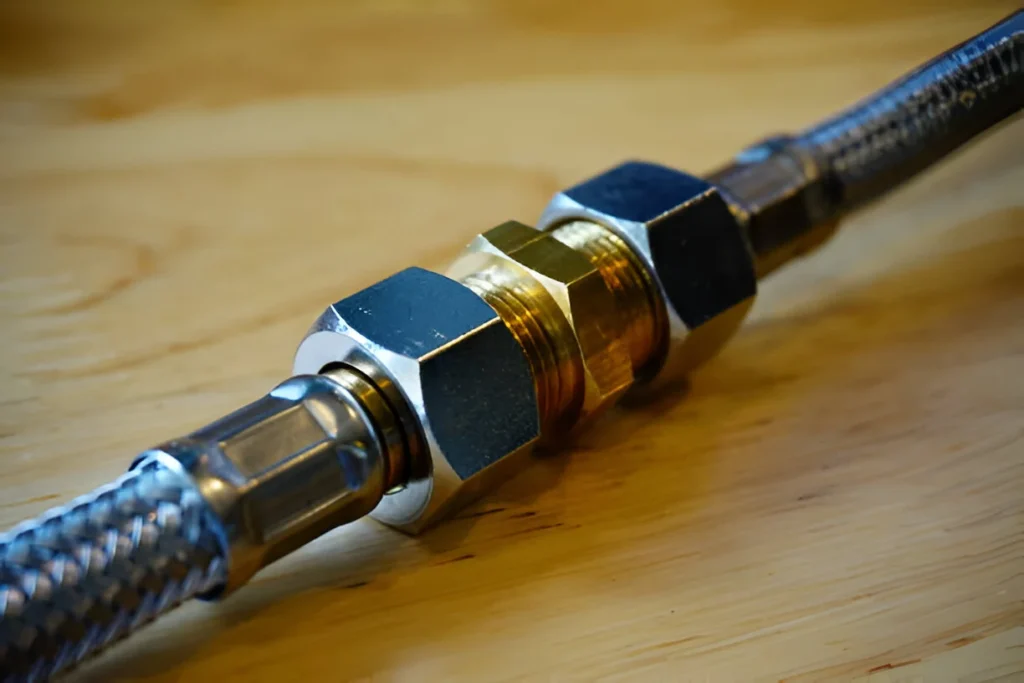
A brass ferrule compression fitting is a type of connection used to join tubes or pipes securely without soldering, welding, or flaring. It consists of three basic components: the body, the compression nut, and the ferrule (also known as the compression ring or sleeve). The brass body houses the fitting assembly, the nut tightens the joint, and the ferrule is the key element that seals the connection.
The ferrule works by applying radial compression around the tubing when you tighten the nut. This compressive force creates a strong, leak-tight seal by gripping the pipe’s outer surface and preventing fluid or gas from escaping, even under pressure.
There are two main designs to consider:
- Single ferrule fittings: These use one compression ring to seal the connection. They are simpler and typically easier to install but may not provide as strong a grip or seal as double ferrule fittings.
- Double ferrule fittings: These have two ferrules—a primary front ferrule that seals against the tubing and a secondary back ferrule that grips and supports the tube inside the fitting. This design offers better strength, reliability, and vibration resistance, especially in high-pressure or demanding applications.
In , brass ferrule compression fittings are reliable, straightforward components essential for leak-proof pipe and tube joints, especially when ease of assembly and maintenance are priorities.
How Brass Ferrule Compression Fittings Work
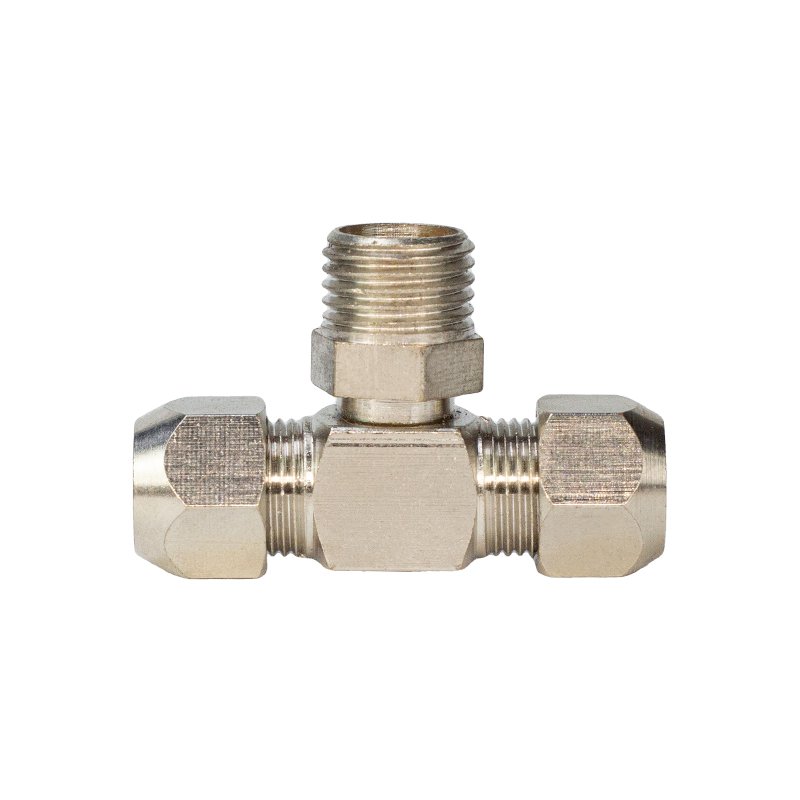
Brass ferrule compression fittings seal tubing without soldering or flaring, making installation quick and reliable. Here’s how they work step-by-step:
- Insert the tube: Slide the compression nut and brass ferrule (sometimes called a ferrule sleeve) onto the tubing.
- Insert the tube into the fitting body: Push the tubing into the brass pipe fittings’ main body until it seats firmly.
- Tighten the compression nut: As you tighten, the ferrule compresses radially against the tubing and fitting body, creating a tight, leak-proof seal.
- Seal completes: The ferrule bites evenly into the tubing surface, locking it in place and preventing leaks under pressure.
This design avoids the need for soldering or flaring, which saves time and reduces installation errors.
Another great advantage is its broad compatibility. Brass ferrule compression fittings work well with common tubing materials like copper, aluminum, PEX, and nylon. This makes them versatile for plumbing, pneumatic, and hydraulic systems where various tubing types are used.
For more pneumatic applications, you might also explore our range of pneumatic brass fittings designed to offer easy connections without hassle.
Advantages of Brass Ferrule Compression Fittings
Brass ferrule compression fittings offer several key benefits that make them a popular choice across many industries. First, their corrosion resistance and durability stand out. Brass naturally withstands rust and degradation, which means these fittings last longer and maintain reliability, especially in water, air, and fuel line systems.
Installation is straightforward and quick, requiring no soldering or special tools. This ease of installation also allows for reusability — you can disassemble and reassemble fittings without compromising the seal, saving both time and material costs. Compared to alternative fittings like soldered or flared connections, brass compression fittings are typically more cost-effective while delivering solid performance.
Moreover, these fittings perform well in medium-pressure applications involving air, water, oil, and fuel. They provide a tight, leak-proof seal even under pressure fluctuations, which makes them ideal for plumbing, pneumatic brass fittings, and hydraulic compression fittings alike.
For those looking to combine quality with affordability and ease of use, brass ferrule compression fittings offer a reliable and economical solution. If you want more details on similar fittings, you might find our range of pneumatic push-to-connect fittings useful for comparison in pneumatic system applications.
Brass vs. Stainless Steel Compression Fittings
When choosing between brass ferrule compression fittings and stainless steel ones, it’s important to consider strength, corrosion resistance, and cost. Brass fittings offer good durability and corrosion resistance, especially in potable water systems and lower-pressure applications. They are also more affordable, making them a popular choice for general plumbing, air lines, and fuel systems.
Stainless steel compression fittings, on the other hand, excel in high-pressure and aggressive environments. Their superior strength and resistance to chemicals and extreme weather make them ideal for hydraulic systems, industrial equipment, and harsh outdoor conditions. While stainless steel fittings typically cost more, their longevity and reliability justify the investment when working with demanding fluids or higher pressures.
In :
- Choose brass fittings for potable water, moderate pressure, and cost-conscious projects.
- Opt for stainless steel when you need enhanced strength, corrosion resistance, or plan to work under high pressure or with harsh chemicals.
For more details on using brass fittings in pneumatic systems, check out our pneumatic brass fittings options.
Common Applications and Industries
Brass ferrule compression fittings are widely used across various industries due to their reliability and leak-tight performance. In plumbing and water supply systems, they provide secure connections for copper and PEX tubing, making installation easier and faster without soldering. These fittings are also popular in pneumatic and air lines, where they ensure airtight seals for compressed air systems, boosting efficiency and safety.
In hydraulic systems, fuel, and gas lines, brass compression fittings offer durable, corrosion-resistant connections capable of handling medium pressure. Their versatility extends to instrumentation and industrial uses, where precise, leak-free joints are essential for accurate measurement and control.
For industrial setups involving tubing connections, consider exploring pneumatic options like copper barb connectors, which complement brass ferrule fittings in certain applications. This broad usage highlights why brass ferrule compression fittings remain a trusted choice across sectors.
Key Specifications and Sizing Guide for Brass Ferrule Compression Fittings
When choosing a brass ferrule compression fitting, getting the right size and specs is crucial for a leak-tight seal and reliable performance.
Standard Sizes
- Typical outer diameter (OD) tubing sizes range from 1/8″ to 1″.
- Common sizes include:
| Size (OD) | Usage Example |
|———–|——————————|
| 1/8″ | Small pneumatic or instrumentation lines |
| 1/4″ | Water and fuel lines |
| 3/8″ | Medium air and hydraulic tubing |
| 1/2″ | Domestic plumbing and oil lines |
| 3/4″ – 1″ | Larger industrial piping |
Pressure Ratings
- Pressure tolerance varies by size and design but generally covers:
- Medium pressure: Up to 3000 psi (approx.) for hydraulic and pneumatic use.
- Water and air lines: Usually rated for 150-600 psi.
Temperature Limits
- Suitable for temperatures from -20°C to 120°C (-4°F to 248°F) depending on tubing material compatibility.
Thread Types and Compatibility
- Fittings commonly use:
- NPT (National Pipe Thread) — tapered threads for pipe connections.
- BSP (British Standard Pipe) — common in European and Asian markets.
- ISO and metric threads for special applications.
Choose fittings based on your tubing material and local standards to ensure proper thread compatibility and performance.
For a precise match tailored to pneumatic systems, consider exploring our range of high-precision pneumatic connectors designed for reliable sealing and easy assembly.
Installation Guide: Step-by-Step
Installing a brass ferrule compression fitting is straightforward, but careful assembly is key to ensuring a leak-tight seal. Here’s how to do it right:
Tools Needed and Preparation
- Adjustable wrench or two open-ended wrenches (one for the fitting body, one for the nut)
- Tubing cutter or fine-toothed saw for clean edges
- Deburring tool or file to smooth tube ends
- Clean cloth to wipe the tubing and fitting parts
Before installation, make sure the tubing (copper, aluminum, PEX, or nylon) is cut straight and deburred. Clean both the tube end and the fitting components to avoid any dirt affecting the seal.
Proper Assembly to Avoid Leaks
- Slide the Nut and Ferrule: Place the compression nut onto the tubing, followed by the brass ferrule (sometimes called the ferrule sleeve).
- Insert the Tube into the Fitting Body: Push the tube all the way into the fitting’s seat until it bottoms out.
- Hand-Tighten the Nut: Thread the compression nut onto the fitting body by hand until snug.
- Use a Wrench to Tighten: Use two wrenches—one to hold the fitting body steady, the other to tighten the nut. Typically, an additional 1/4 to 1/2 turn after hand-tight is enough for a solid seal.
Avoid over-tightening as it can deform the ferrule and tubing, causing leaks or premature failure. Follow manufacturer torque specs if available.
Common Mistakes and Troubleshooting
- Under-tightening: May cause slow leaks or fitting loosening. Tighten gradually, checking for leaks.
- Cutting Tubing at an Angle: Leads to poor sealing and leaks. Use proper tools for straight cuts.
- Using Damaged Ferrules: Replace ferrules if they show dents or wear before reassembly.
- Reusing Ferrules: While compression fittings are reusable, the ferrule often must be replaced to ensure a proper seal.
If you encounter leaks, back off the nut slightly, re-seat the tubing, and retighten carefully. For pneumatic applications, browse our range of pneumatic brass fittings designed for easy and reliable connections.
Following these steps will ensure your brass ferrule compression fittings provide a durable, leak-tight seal without the need for soldering or flare tools.
Maintenance, Troubleshooting, and Best Practices
Regular maintenance of brass ferrule compression fittings ensures reliable performance and prevents leaks. Start by inspecting the fittings for wear, corrosion, or damage, especially around the ferrule sleeve and compression nut. Look for signs like cracking, deforming, or corrosion buildup that can compromise the seal.
When to replace ferrules:
- If the ferrule shows visible damage or has lost its shape after repeated use
- If the fitting leaks despite proper tightening, indicating a compromised ferrule seal
- During routine servicing in high-pressure or critical applications
For fittings used in vibration-prone or high-stress environments, consider these tips:
- Use lock nuts or thread sealants to prevent loosening
- Regularly check tightening torque to avoid both under- and over-tightening
- Consider double ferrule designs for enhanced grip and sealing under movement
- Inspect frequently for early signs of wear due to vibration or pressure spikes
Following these simple best practices can extend the life of your brass compression fittings and maintain their leak-tight seal integrity for medium-pressure systems. For added reliability, consult specialized guides like this detailed ferrule installation guide for troubleshooting and maintenance tips.
Buying Guide: Choosing the Right Brass Ferrule Compression Fitting
When selecting a brass ferrule compression fitting, consider these key factors to ensure the best fit for your project:
- Application: Identify whether the fitting is for water, air, fuel, or hydraulic systems. Different uses may demand specific pressure ratings and corrosion resistance.
- Tubing Type: Check compatibility with your tubing material—common options include copper, PEX, aluminum, and nylon. Brass ferrule compression fittings work well with most, but double-check sizing and seal compatibility.
- Pressure Requirements: Verify the fitting’s pressure rating matches or exceeds your system’s operating pressure to avoid leaks or failures.
- Lead-Free Options: For potable water systems, choose lead-free brass compression fittings to meet safety standards and avoid contamination.
- Customization: If your project needs specialized thread types, sizes, or finishes, explore suppliers that offer fitting customization to match unique setups or strict industry specs.
Keep these points in mind to select the ideal brass ferrule compression fitting that combines durability, leak-tight performance, and compliance with your system requirements. For a comprehensive selection of fittings and customization services, you might want to explore trusted suppliers who specialize in wholesale compression fittings.
To learn more about tubing compatibility and installation tips, check out our detailed guides on copper barb connectors and the basics of copper barb connectors.
Why Choose ZZJYT for Brass Ferrule Compression Fittings
When it comes to brass ferrule compression fittings, ZZJYT stands out for quality and reliability. Their products are crafted with precision brass, ensuring excellent corrosion resistance and a strong, leak-tight seal for various applications. Whether you need fittings for plumbing, pneumatic, or hydraulic use, ZZJYT offers a wide range of sizes and styles to fit your needs.
Key Advantages of ZZJYT Brass Ferrule Compression Fittings
| Feature | Benefit |
|---|---|
| High-Quality Material | Durable brass with lead-free options ideal for potable water |
| Wide Product Range | From 1/8″ to 1″ OD sizes covering many tubing materials like copper and PEX |
| Competitive Pricing | Wholesale options available for bulk buyers, keeping costs low |
| Customization Services | Tailored fittings to meet specific project demands |
| Reliable Supply | Consistent stock and fast delivery to avoid project delays |
ZZJYT’s expertise in compression tube fittings ensures you get parts that install easily and create leak-proof connections every time. For anyone dealing with pneumatic brass fittings or hydraulic compression fittings, ZZJYT combines the right materials and precision manufacturing.
For more detailed specifications and options available, you can also explore related products like their polyurethane trachea or check out push-to-connect fittings to complement your brass ferrule compression fittings setup.
Choose ZZJYT for costs you can trust, quality you can rely on, and service that keeps your projects running smoothly.
FAQ
Are brass ferrule compression fittings safe for drinking water?
Yes, lead-free brass ferrule compression fittings are safe for potable water systems. They meet strict health and safety standards, making them a reliable choice for plumbing applications where water quality matters.
Can brass ferrule compression fittings be used with PEX tubing?
Absolutely. Brass compression fittings, including those with ferrules, are compatible with common tubing materials such as PEX, copper, aluminum, and nylon. Just make sure you use the right ferrule designed for the specific tubing type to ensure a leak-tight seal.
How do I remove a stuck ferrule from a compression fitting?
Removing a stuck ferrule can be tricky because it seals tightly through radial compression. Use a dedicated ferrule removal tool or carefully pry it out with needle-nose pliers. Avoid damaging the tubing or fitting body during this process to maintain reusability.
What is the difference between a ferrule and an olive?
While both create a seal in compression fittings, a ferrule is typically a ring-shaped sleeve that compresses radially around the tubing to form a tight connection. An olive is a similar component but often refers to softer metal rings used in British plumbing fittings. In essence, ferrules are more common in brass compression fittings and preferred for their durability and reliable sealing.