What Are Brass Ferrule Fittings?
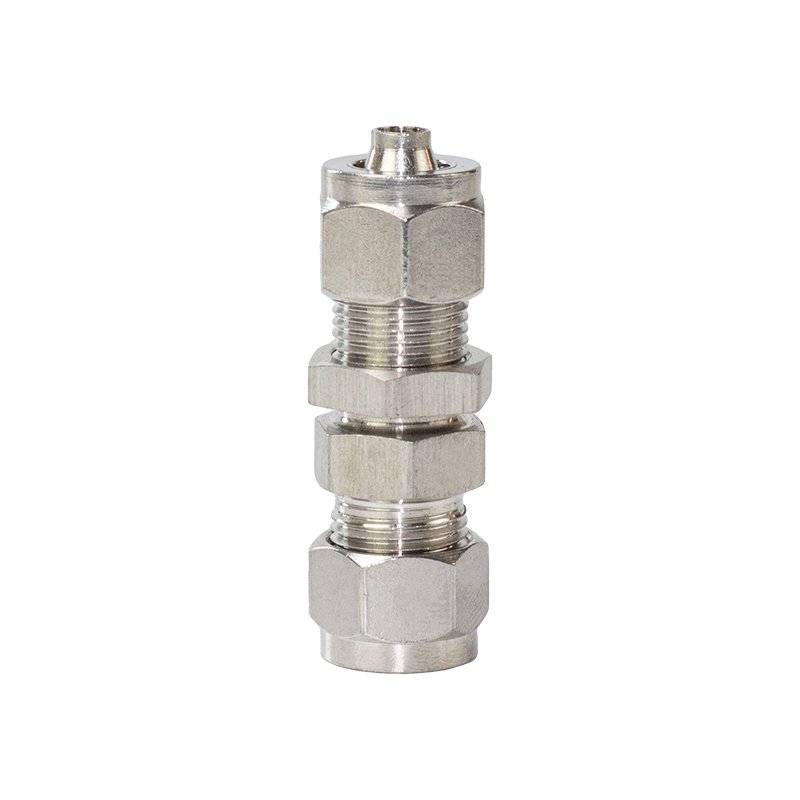
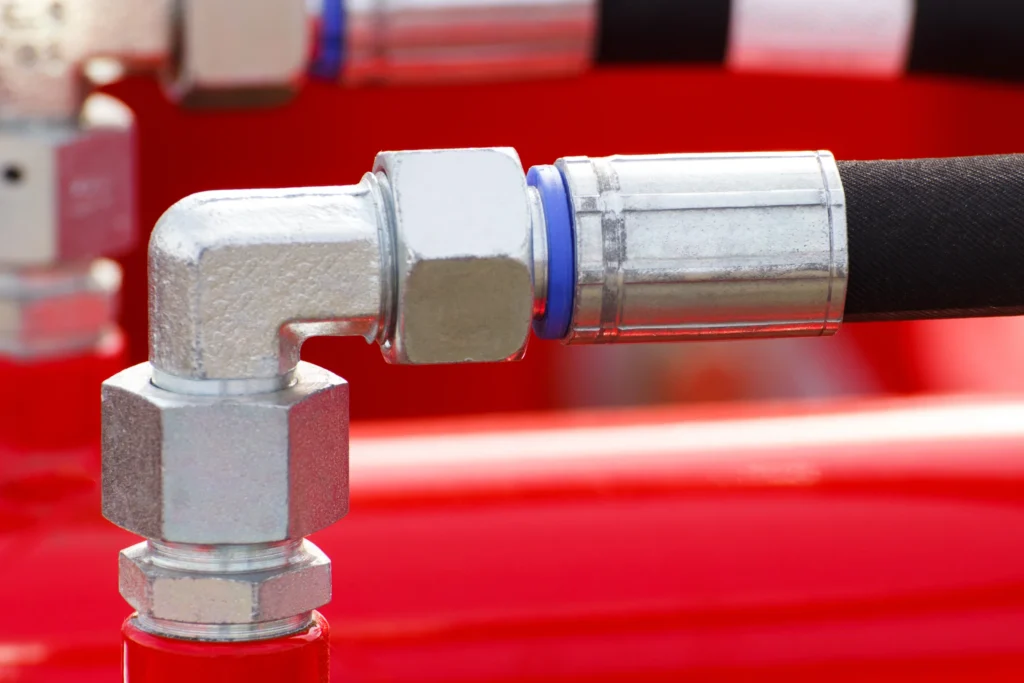
Brass ferrule fittings are popular connectors used to join tubes and pipes securely. They consist of three main components:
- Fitting Body: The main connector where tubing is inserted.
- Ferrule (Compression Sleeve): A ring that compresses around the tube to create a tight seal.
- Compression Nut: Tightens over the ferrule to apply pressure and lock the connection.
How They Work
When the compression nut is tightened, the brass ferrule compresses against the tube and fitting body, forming a leak-proof compression ferrule seal. This method doesn’t require soldering or welding, making installation simpler and quicker.
Single vs. Double Ferrule Designs
| Feature | Single Ferrule | Double Ferrule |
|---|---|---|
| Number of Ferrules | 1 | 2 (Primary and Secondary ferrules) |
| Seal Strength | Good leak-proof seal | Superior grip and vibration resistance |
| Reusability | Moderate | Higher |
| Typical Use Cases | General plumbing and air lines | High-pressure hydraulic and instrumentation |
Why Brass?
Brass stands out as an ideal material for ferrule fittings due to its:
- Corrosion Resistance: Excellent durability against water, air, and gas exposure.
- Machinability: Easily crafted into precise shapes and threads for reliable connections.
- Reliability: Long-lasting performance in diverse environments.
In short, a brass tube ferrule combines strength and reliability for secure, leak-proof connections where performance counts.

Advantages of Brass Ferrule Fittings
Brass ferrule fittings are known for their superior corrosion resistance and long-lasting durability, especially in water, air, and gas systems. Brass naturally resists rust and wear, making these ferrule compression fittings ideal for plumbing, pneumatic brass fittings, and hydraulic ferrule fittings where reliability matters.
One big advantage is the ease of installation. You don’t need any specialized tools to install brass tube ferrules — just a basic wrench to tighten the compression ferrule nut. This makes them popular for quick fixes and fieldwork.
Compared to stainless steel or exotic alloys, brass ferrule fittings offer great cost-effectiveness without sacrificing performance. They’re also reusable and handle vibrations well, reducing maintenance needs over time.
For safe drinking water systems, lead-free brass ferrule options comply with potable water standards, ensuring that brass pipe ferrule fittings are safe and eco-friendly.
Overall, these features make brass ferrule fittings a top choice for many industries looking for a reliable, leak-proof compression ferrule fitting solution.
Common Types and Configurations of Brass Ferrule Fittings
Brass ferrule fittings come in various types and configurations to suit different tubing and piping needs. The two main styles are single ferrule compression fittings and double ferrule fittings. Single ferrule fittings are simpler and quicker to install, providing a reliable seal for low to medium pressure applications. Double ferrule fittings, on the other hand, offer a tighter, more secure connection by using two sleeves—one to grip the tube and the other to seal—making them ideal for higher pressure or vibration-prone systems.
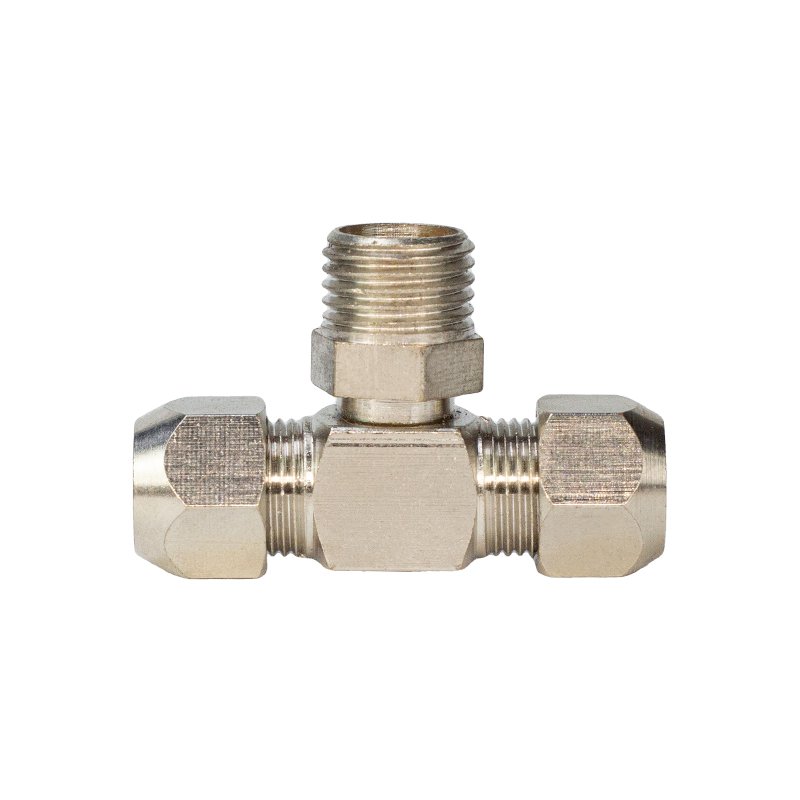
You’ll find brass tube ferrule fittings in many shapes, including straight unions, elbows, tees, reducers, and adapters. These variations allow easy changes in tubing direction, size reduction, or connection to different pipe threads. Sizes usually range from 1/8″ to 1″ outer diameter (OD) tubing, with threading standards matching common plumbing and industrial needs.
There are also specialized variants designed for specific uses:
- Crimp fittings: Provide a permanent, strong seal using a crimping tool.
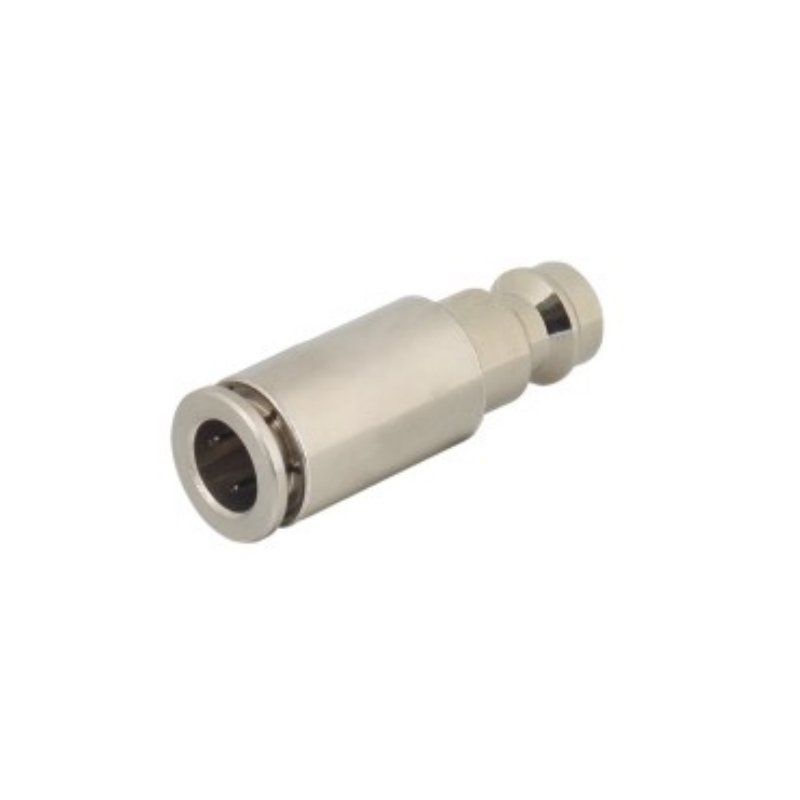
- Push-fit ferrule fittings: Allow quick, tool-free installation, perfect for maintenance or temporary setups.
- Instrumentation style fittings: Designed for precision and accuracy in measurement systems with smaller tubing sizes.
For example, if you need push-to-connect fittings in pneumatic systems, ZZJYT offers reliable options for airtight, easy assembly, as seen in their push-to-connect fittings range.
Choosing the right ferrule fitting configuration depends on the application pressure, tubing type, and installation preferences. Brass ferrule fittings remain a top pick because of their versatility and compatibility with a wide range of tubing materials.
Applications and Industry Uses
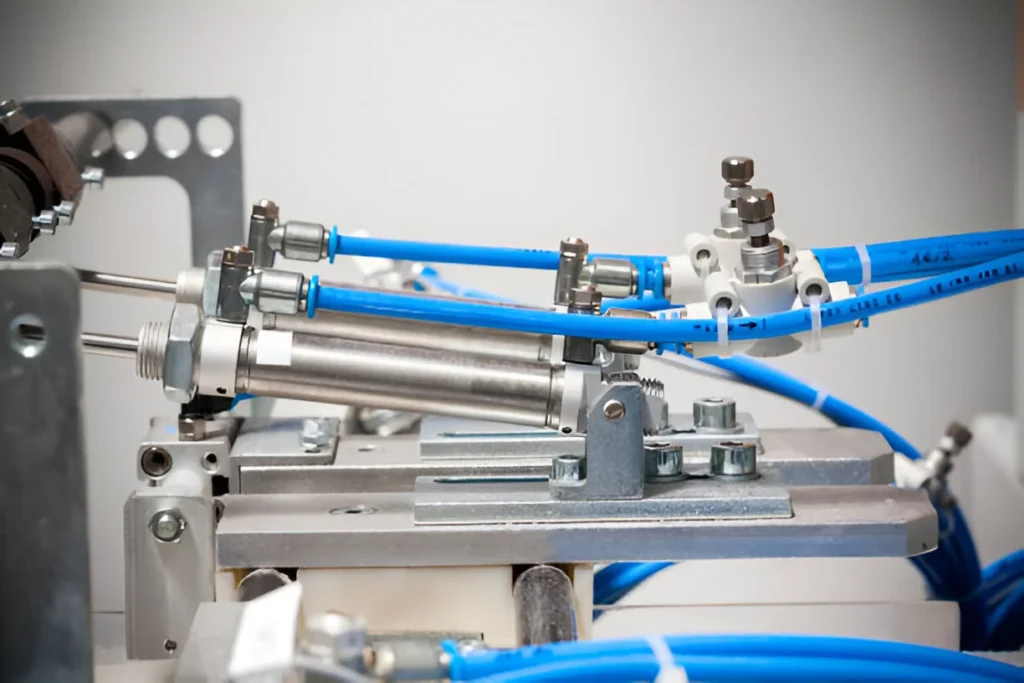
Brass ferrule fittings are widely used across many industries due to their reliability and versatility. In plumbing and water supply lines, they provide a leak-proof connection that handles both hot and cold water safely. They’re also common in pneumatic and air brake systems, where their secure compression ferrule fitting ensures air-tight seals essential for safety and efficiency.
In the HVAC and refrigeration sectors, brass ferrule fittings offer durable connections that withstand temperature fluctuations and pressures involved in cooling systems. For hydraulic lines, fuel, and gas distribution, these fittings are trusted to maintain strong seals even under high pressure, thanks to the sturdy brass tube ferrule design.
Compatibility is broad—they work well with tubing made from copper, aluminum, and nylon, and can be adapted for PEX tubing when used with the proper inserts. This flexibility makes brass compression sleeves a go-to choice in complex systems where different materials meet.
For specialized pneumatic needs, exploring products like pneumatic push-to-connect fittings can complement brass ferrule fittings for quick and efficient assembly.
How to Choose the Right Brass Ferrule Fitting
Selecting the right brass ferrule fitting is key to a safe, leak-proof connection. Here’s what to focus on:
| Factor | Details & Tips |
|---|---|
| Tube OD/ID | Match the fitting to your tube’s outer diameter (OD). Check inside diameter (ID) for tight fits. Using the right tube OD compression ferrule prevents leaks and damage. |
| Pressure Rating | Know your system pressure. Brass ferrule fittings come with pressure limits—exceeding these risks failure. |
| Temperature Range | Brass handles a wide range, but extreme heat or cold might require alternatives like stainless steel or special alloys. |
| Media Type | Consider the fluid or gas type—water, air, gas, hydraulic fluid. Brass offers great corrosion resistance for most media but avoid strong acids or alkalis. |
| Material Choices | Brass vs. alternatives: Brass is cost-effective and machinable. For corrosive or high-temp uses, explore stainless steel or lead-free brass for potable water systems. |
Common Pitfalls to Avoid
- Over-tightening: It can deform the ferrule or tubing and cause leaks. Tighten just enough for a leak-proof seal.
- Mismatched Components: Use compatible nuts, ferrules, and fittings from the same series or brand to ensure a proper fit.
- Incorrect Size: Using a fitting too big or small for your tubing will risk failure. Double-check dimensions before purchase.
For a detailed sizing guide and standards, consider consulting suppliers who specialize in brass ferrule fittings and offer clear specs and customization. For example, you can explore a variety of fittings including push-to-connect types here for easy compatibility with different tubing systems.
Choosing the right fitting saves time, cuts costs, and keeps your system running leak-free.
Step-by-Step Installation Guide for Brass Ferrule Fittings
Installing brass ferrule fittings is straightforward when you have the right tools and know the steps. Here’s a quick guide to help you create a reliable, leak-proof seal:
Tools Required and Preparation
- Tube cutter or fine-toothed saw for clean cuts
- Adjustable wrench or compression fitting wrench
- Deburring tool or file to smooth cut edges
- Measuring tape to ensure accurate tube length
Before you start, make sure the tubing is clean and free of any damage or dirt. Cut the tube squarely without crushing it and remove any burrs around the edge to prevent leaks and ferrule damage.
Installation Process
- Slide the compression nut onto the tubing, followed by the brass ferrule (compression sleeve).
- Insert the tube into the fitting body fully—this ensures a tight seal.
- Push the ferrule against the fitting body, then thread the compression nut by hand.
- Tighten the compression nut with a wrench until you feel resistance, then give it an extra quarter to half turn. Over-tightening can damage the ferrule or tubing.
- Double-check the connection for proper alignment.
Best Practices for Leak-Free Connections
- Always use the right tube size (check the tube OD compression ferrule fits perfectly).
- Avoid over-tightening, which can crack the brass ferrule or distort the tube.
- Recheck tightness periodically, especially after initial use or vibration exposure.
- Use lead-free brass ferrule options in potable water systems to meet safety standards.
Troubleshooting Common Issues
- Leaks: Often caused by loose nuts or damaged ferrules. Re-tighten moderately or replace ferrules if damaged.
- Ferrule slipping: Make sure the ferrule is correctly placed and the tube is fully inserted.
- Cracks in tubing: Check for clean cuts and proper deburring. Replace damaged tubing.
Following this guide will ensure your brass ferrule fittings perform reliably. For more about maintaining pneumatic and hydraulic systems, see our detailed FRL unit duplicate combination product overview.
Maintenance and Troubleshooting of Brass Ferrule Fittings
Regular inspection is key to keeping brass ferrule fittings working smoothly over time. Check fittings periodically for any signs of wear, corrosion, or leaks. Look closely at the compression ferrule nut and ferrule sleeve areas—these spots can show damage or deformation caused by vibration or over-tightening.
Signs of wear or failure include:
- Visible cracks or corrosion on the brass tube ferrule or fitting body.
- Persistent leaks around the compression ferrule fitting.
- Loose or stripped threads on the nut or fitting.
- Distorted or flattened ferrules that don’t grip tubing properly.
Knowing when to replace brass ferrule fittings is important. If you notice permanent damage or repeated leaks even after tightening, it’s safer to swap out the components instead of reusing them. For minor issues like dirt or minor surface wear, cleaning and reassembling might suffice.
Maintenance tips:
- Do not overtighten — this can crush the ferrule or tubing.
- Clean fittings before reassembly to avoid debris causing leaks.
- Lubricate threads lightly if recommended by the manufacturer.
Safety considerations come first, especially in high-pressure or critical systems, including hydraulic or pneumatic lines. Always depressurize lines before maintenance. Use lead-free brass ferrule fittings for potable water systems to meet health standards. Consulting pressure ratings and material specs ensures the fitting will handle the application safely.
Proper upkeep means longer life, fewer leaks, and stable, leak-proof compression ferrule seals over the life of your brass ferrule fittings.
ZZJYT Brass Ferrule Fittings: Quality and Options
ZZJYT offers a wide range of brass ferrule fittings designed to meet diverse industry needs. With years of manufacturing expertise, ZZJYT ensures each brass compression sleeve and ferrule fitting delivers reliable performance and a leak-proof compression seal.
| Feature | Details |
|---|---|
| Product Range | Single/double ferrule fittings, adapters, elbows, tees |
| Materials | Lead-free brass options for potable water compatibility |
| Customization | Tailored sizes, threading standards, and special fittings |
| Pricing | Competitive wholesale prices suited for bulk buyers |
| Quality Assurance | Strict quality control and compliance with industry standards |
| Delivery | Fast shipping to support your supply chain needs |
| Customer Support | Reliable supplier with responsive after-sales service |
ZZJYT’s commitment to quality means you get durable brass tube ferrule fittings built for long-term use in plumbing, hydraulic, pneumatic, and gas distribution systems. Whether you need standard sizes or custom solutions, ZZJYT’s fitting customization capabilities stand out in the market.
For those focused on pneumatic systems, ZZJYT also provides compatible products linked to pneumatic actuator solutions ensuring seamless integration and performance.
Choosing ZZJYT means partnering with a trusted brass ferrule supplier who understands reliability and efficiency are key to your projects.