What Is a Compression Fitting Ferrule?
A compression fitting ferrule is a small but crucial part in tube fittings that helps create a strong, leak-proof seal. When you tighten the compression nut, the ferrule compresses radially around the tubing. This metal-to-metal seal grips the tube firmly, preventing leaks under pressure without the need for soldering or welding.
How Ferrules Work
- The ferrule slides onto the tubing and gets trapped between the fitting body and the compression nut.
- Tightening the nut pushes the ferrule inward, causing it to deform and bite into the tubing surface.
- This radial compression creates a secure, leak-proof connection that resists vibration and pressure.
Single vs. Double Ferrule Designs
| Feature | Single Ferrule | Double Ferrule |
|---|---|---|
| Design | One ferrule acting as seal and grip | Two ferrules: front for sealing, rear for gripping |
| Pressure Resistance | Suitable for low to medium pressure | Ideal for high-pressure and vibration environments |
| Vibration Resistance | Moderate | Superior due to separate gripping ferrule |
| Reusability | Limited (ferrule may deform) | Often reusable with proper handling |
| Installation Complexity | Simple | More precise tightening needed |
Ferrule Shapes and Sealing Mechanics
Ferrules come in symmetrical (tapered) and asymmetrical shapes, each designed for specific sealing needs:
- Symmetrical ferrules (often double ferrule) provide uniform compression and even sealing around the tube, enhancing grip and leak resistance.
- Asymmetrical ferrules deform primarily on one side, making them easier to install but better suited for lower pressure applications.
Understanding these shapes helps ensure you choose the right ferrule that matches your tubing and pressure needs, maintaining reliable, leak-proof connections every time.

Types of Compression Ferrules
Compression fitting ferrules mainly come in two types: single ferrule and double ferrule designs. Single ferrule fittings feature a simpler design, making them ideal for lower-pressure systems or softer tubing materials like copper or plastic. They rely on one ferrule to create a seal and grip the tube, which keeps installation straightforward and cost-effective.
Double ferrule compression fittings offer superior sealing and grip, perfect for high-pressure or vibration-prone environments. The front ferrule seals the connection, while the back ferrule bites into the tubing, preventing tube rotation and ensuring a stronger hold. This makes double ferrule fittings common in instrumentation and industrial setups requiring leak-proof, durable connections.
Additionally, you’ll find bite-type versus non-bite ferrule designs. Bite-type ferrules create a firm grip by slightly biting into the tube surface, boosting resistance to slippage and vibration. Non-bite ferrules rely mostly on compressive sealing without biting into the tubing, making them suitable for delicate or thin-walled tubes where minimal deformation is preferred.
Choosing the right ferrule type depends on your system’s pressure, vibration, and tubing material needs. For high-demand applications, double ferrule or bite-type fittings are often the best choice for long-lasting, leak-proof performance.
For more info on specific materials suitable for your ferrules and fittings, check out our detailed guide on specific materials for copper barb connectors.
Common Materials for Ferrules
Compression fitting ferrules come in various materials, each suited for different applications and environments.
- Brass is a popular choice due to its corrosion resistance and affordability. It’s ideal for general plumbing tasks and potable water systems, making brass compression sleeves a go-to for many everyday uses.
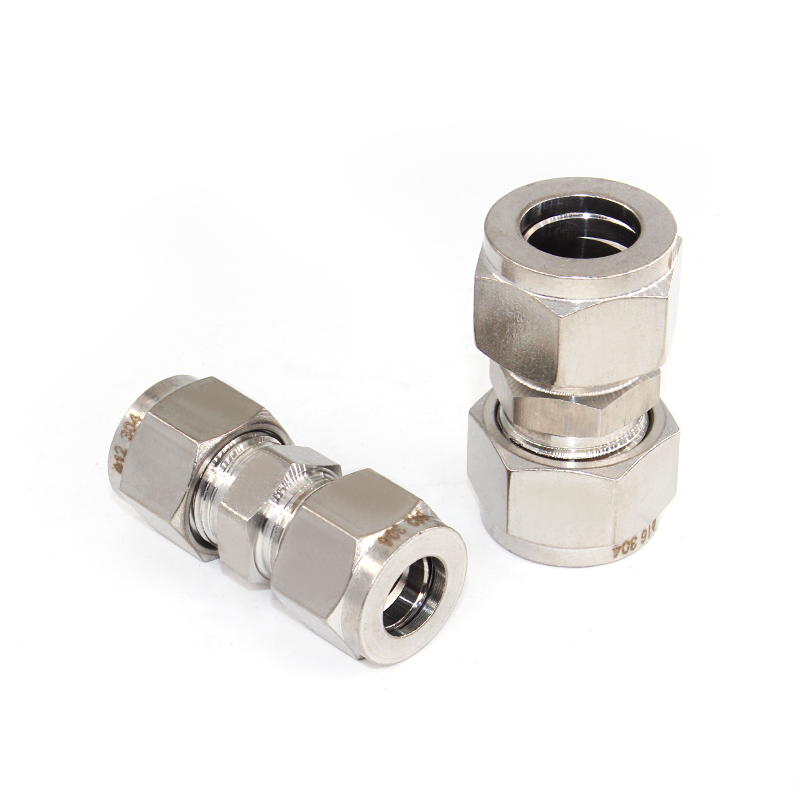
- Stainless steel (304/316) ferrules offer higher strength and durability. They handle harsh chemicals, high temperatures, and corrosive environments with ease. These stainless steel ferrules are preferred in demanding industrial or instrumentation tube ferrule applications.
- Other materials like carbon steel and specialized plastics are available for unique needs, such as extreme pressure or chemical compatibility.
When choosing the right ferrule material, consider key factors like pressure rating, media compatibility, and temperature range to ensure reliable, leak-proof ferrule fittings. For example, a stainless steel ferrule is often required for high-pressure or aggressive media environments, while brass may work fine for lower pressure and non-corrosive fluids.
For high-quality options, including brass and stainless steel ferrules, check out reliable suppliers offering PE stainless steel ferrule connectors that fit a range of tubing needs.
How Compression Ferrules Work
Compression fitting ferrules create a secure, leak-proof seal through a simple yet effective process. When you tighten the compression nut, it pushes the ferrule against the tubing, causing the ferrule to compress radially. This compression forces the ferrule to bite into the tube’s outer surface, creating a tight metal-to-metal seal.
Here’s the step-by-step breakdown:
- Nut Tightening: As you turn the compression nut, it moves forward along the fitting body.
- Ferrule Compression: The ferrule is squeezed between the nut and fitting body, deforming slightly.
- Tube Grip: The ferrule bites into the tube, gripping it firmly and forming the seal.
This design depends heavily on precise ferrule deformation—too little compression means leaks, while too much can damage the tube or ferrule. The key is achieving line contact rather than full surface contact between the ferrule and tubing. Line contact concentrates pressure along a narrow band, improving the seal’s reliability under varying pressures and vibration.
Proper ferrule deformation ensures the connection won’t loosen or leak even with vibration or thermal changes. That’s why high-quality ferrules, like those made by ZZJYT in brass or stainless steel, offer consistent performance in demanding applications. For more on stainless options, you can check out our stainless steel ferrule connectors.
Using the right tools and installation methods to achieve the correct ferrule compression is essential for long-lasting, leak-proof compression fitting connections.
Step-by-Step Installation Guide for Compression Fitting Ferrules
Installing compression fitting ferrules properly ensures a leak-proof and durable connection. Here’s how to do it right:
Tools and Preparation
- Cut tubing squarely: Use a proper tubing cutter to get a clean, straight cut. Avoid angled or jagged ends.
- Deburr the edges: Remove any burrs inside and outside the tubing to prevent damage to the ferrule and ensure a tight seal.
- Clean the tubing: Wipe off oil, dirt, or oxidation to help the ferrule grip effectively.
Assembly Sequence
- Single ferrule fittings: Slide the compression nut onto the tube, followed by the ferrule. Insert the tube into the fitting body completely.
- Double ferrule fittings: After placing the nut, first slide on the front ferrule (seal ferrule), then the back ferrule (grip ferrule). Push the tubing into the fitting body fully to position both ferrules correctly.
Tightening Best Practices
- Start by hand-tightening the nut until it’s finger-tight.
- Use a wrench to tighten according to manufacturer specs — usually 1 to 1½ turns past finger-tight. This compresses the ferrule radially, creating the metal-to-metal seal critical for leak-proof performance.
- Avoid over-tightening, which can deform or damage the ferrule and tube, leading to leaks.
- Also, under-tightening risks inadequate compression, causing poor sealing and possible vibration failure.
Post-Installation Checks
- Visual inspection: Ensure ferrules are seated evenly with no visible gaps.
- Pressure testing: Perform a leak test under working pressure to verify the integrity of the connection before full operation.
Following these steps will help your compression fitting ferrules provide a reliable, maintenance-free seal. For high-quality options designed for precise sealing and long-lasting performance, consider products like the PM stainless steel ferrule connector from ZZJYT.
Common Installation Mistakes and Troubleshooting
When installing compression fitting ferrules, a few common mistakes can cause leaks or damage. One of the biggest issues is over-tightening. Excessive tightening can deform the ferrule or crush the tubing, leading to cracks or reduced sealing ability. On the other hand, under-tightening often results in loose connections and leaks. The key is to tighten just enough—usually about a quarter to half turn past finger-tight—depending on your fitting type.
Reusing ferrules is another area to watch. Reusable compression ferrules do exist but are usually designed for low-pressure or non-critical applications. Most brass and stainless steel ferrules deform during installation, so reusing them often compromises the seal. It’s best practice to replace ferrules when you disconnect fittings to ensure leak-proof performance.
Compatibility is also critical. For example, brass ferrules are not recommended for PEX tubing since improper sealing or corrosion can occur. Always choose ferrules matched to your tubing material and pressure requirements to avoid problems.
If you encounter leaks, here’s a quick troubleshooting checklist:
- Check for proper ferrule and nut alignment.
- Ensure tubing is cut squarely and is deburred.
- Confirm you haven’t over- or under-tightened.
- Replace damaged ferrules or tubing sections.
- Consider upgrading to a double ferrule compression fitting for vibration-prone environments.
For professional-grade solutions, explore high-quality stainless steel ferrule fittings designed to provide reliable, leak-free connections even under tough conditions, such as those available in our stainless steel ferrule connector collection.
Selecting the Right Ferrule for Your Application
Choosing the right compression fitting ferrule is crucial for a secure, leak-proof connection. Here are the key points to consider:
- Tube OD and Size: Always match the ferrule size to your tubing’s outer diameter (OD). Using the wrong size can lead to poor sealing or damage. Check sizing charts specific to single ferrule tube fitting or double ferrule compression fitting styles to find a perfect match.
- Pressure and Temperature Ratings: Your application’s operating pressure and temperature determine which ferrule material and design fit best. High-pressure ferrule fittings often use stainless steel ferrules for durability, while lower-pressure systems might work well with brass compression sleeves.
- Media Type: Chemical compatibility matters. For example, stainless steel ferrules resist corrosion in aggressive environments, while brass ferrules are suited for potable water systems. Knowing your media type helps avoid leaks and material degradation.
- Premium Ferrule Benefits: Investing in premium ferrules means better deformation characteristics, improved sealing mechanics, and longer service life. This reduces maintenance frequency and increases system reliability, especially in critical instrumentation tube ferrules or high-vibration settings.
Use comprehensive compatibility guidelines and sizing charts when selecting ferrules to ensure a match that delivers consistent performance. For precision in assembly and durable connections, also explore options for customized ferrule fitting solutions tailored to your needs.
Maintenance, Reusability, and Best Practices
Regular inspection is crucial for compression fitting ferrules, especially in high-vibration or critical systems. Check connections frequently for signs of wear, corrosion, or loosening to prevent leaks and failures. A quick visual inspection paired with pressure testing can save costly downtime and keep your fittings reliable.
When dealing with reused ferrules, be cautious. Single ferrule fittings often require replacement after disassembly because the ferrule deforms during installation, reducing its sealing effectiveness. Double ferrule compression fittings offer better reusability since the back ferrule can maintain grip, but even then, inspect carefully for any damage before reuse. If in doubt, replacing the ferrule is safer and ensures a leak-proof seal.
Disassemble and remake connections when you notice leaks, replace tubing, or during routine maintenance. Always clean all components and replace damaged ferrules before reassembling. Proper tightening following the recommended torque prevents over-compression or under-tightening, both common installation mistakes.
For safety, when working with high-pressure or hazardous media, use ferrules and fittings rated for your system’s pressure and chemical compatibility. Wear protective gear, and always depressurize lines before disassembly to avoid accidents. Adhering to these best practices guarantees long-term performance and safety with your compression ferrules.
For more on choosing the right components and installation tips, check out our range of high-quality compression nuts and ferrules.
Why Choose ZZJYT for Compression Ferrules and Fittings
ZZJYT stands out as a trusted supplier of compression fitting ferrules, offering a wide range of high-quality brass compression sleeves and stainless steel ferrules. Whether you need durable ferrules for general plumbing or heavy-duty applications, ZZJYT delivers reliable products that meet rigorous industry standards.
Key Benefits of ZZJYT Compression Ferrules
| Feature | Advantage |
|---|---|
| Material Options | Brass and stainless steel (304/316) for diverse needs |
| Competitive Pricing | Affordable solutions without sacrificing quality |
| Customization | Tailored ferrules for unique sizes or specs |
| Wholesale Supply | Bulk orders with consistent availability |
| Precision Manufacturing | Ensures exact fit for leak-proof and vibration-resistant seals |
| Durability | Long-lasting ferrules withstand harsh conditions |
| Customer Support | Expert guidance on product selection, installation, and troubleshooting |
ZZJYT’s ferrules are designed to work seamlessly with their wide selection of fittings, including single ferrule tube fittings and double ferrule compression fittings, ensuring a perfect metal-to-metal seal every time.
For easy integration with other components, check out their range of locknut fittings which complement ZZJYT’s ferrules for secure instrumentation and tubing systems.
Choosing ZZJYT means you get not only quality materials but also a partner committed to your project’s success. Whether it’s for high-pressure ferrule fittings or general plumbing, ZZJYT provides the reliability and service that global customers expect.
By opting for ZZJYT, you gain access to affordable, customizable compression ferrules crafted for a variety of applications—making them a go-to name for quality compression fitting components worldwide.
FAQ
What is the difference between a ferrule and an olive?
A ferrule and an olive are often used interchangeably, but technically, a ferrule is the metal sleeve in a compression fitting that compresses onto the tube to create a seal. An olive is usually a softer ring (often brass) used in plumbing fittings. Ferrules typically refer to fittings designed for instrumentation or high-pressure tubing, while olives are common in household plumbing. Both serve the same sealing purpose but differ in material and application.
Can I reuse a compression ferrule?
Generally, reusing compression ferrules is not recommended. Once tightened, the ferrule deforms to grip and seal the tubing. Reusing it can lead to poor sealing and leaks. However, some high-quality reusable compression ferrules are designed to maintain their shape after removal. Always check manufacturer guidelines before attempting reuse.
Are brass ferrules safe for drinking water?
Yes, brass compression ferrules are safe for potable water when made from lead-free brass meeting relevant drinking water standards. Brass is corrosion-resistant and commonly used in residential and commercial plumbing. For harsh or chemically aggressive environments, stainless steel ferrules may be a better option.
How do I remove a stuck ferrule?
To remove a stuck compression ferrule, first try loosening the compression nut fully. If it won’t budge, gently heat the fitting with a heat gun (not an open flame) to expand the metal slightly. Use proper wrenches to avoid damaging the tubing or fitting. In stubborn cases, the tubing might need cutting and replacing along with a new ferrule.
What sizes are most common for compression ferrules?
The most common ferrule sizes correspond to standard tube outer diameters (OD), typically ranging from 1/8 inch to 1 inch (or 3 mm up to 25 mm). Popular sizes include 1/4″, 3/8″, and 1/2″ OD for plumbing and instrumentation tubing. Always match the ferrule size to your tube’s OD for a leak-proof fit.
For the best results with compression fittings and ferrules, choose high-quality products designed for your specific application and environment. If you’re looking for reliable fittings, check out our range of push-to-connect pneumatic fittings and other industrial connectors to complement your setup.