If you’re searching for copper ferrule fittings, you’re likely looking for reliable, leak-proof connections that stand up to the demands of plumbing, HVAC, refrigeration, or industrial applications. These fittings offer unmatched durability, corrosion resistance, and ease of installation, making them a top choice for professionals and DIYers alike. In this guide, you’ll get clear insights into what makes copper ferrule fittings essential, how they work, and how to select the right ones with confidence. Whether you want to understand the technical details or find a trusted supplier like ZZJYT, keep reading to unlock everything you need to know before making your purchase.
What Are Copper Ferrule Fittings?
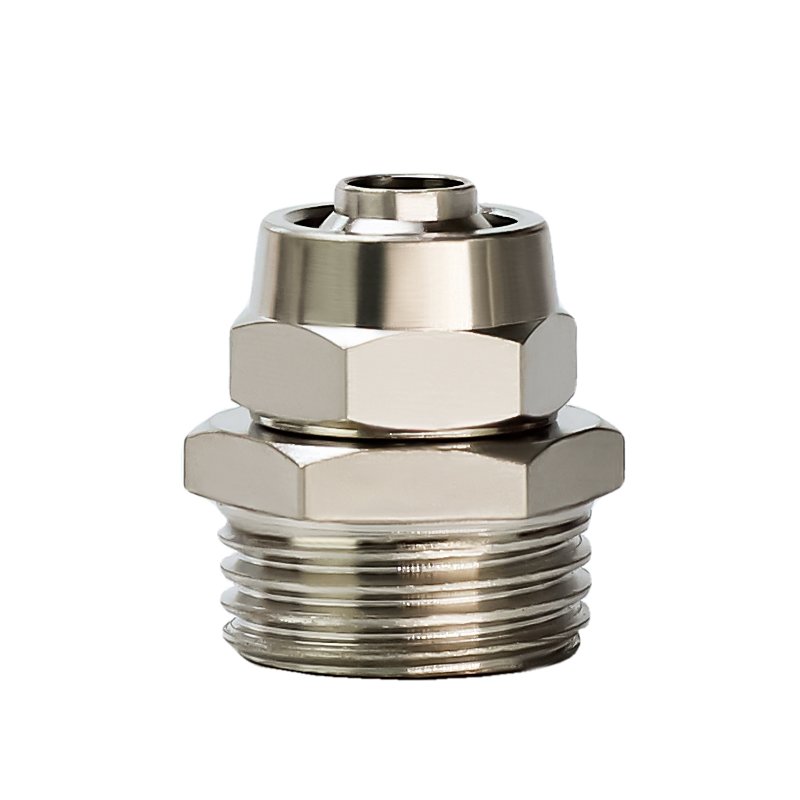
Copper ferrule fittings are essential components used to join copper tubing securely and leak-proof. These fittings typically consist of four basic parts:
- Body: The main part that connects the tubing sections.
- Nut: Threads onto the body to tighten the connection.
- Ferrule(s): A ring or rings that compress around the tubing.
- Insert (optional): A small sleeve placed inside the tubing to provide extra support.
The key to their reliable seal lies in the compression mechanism. When the nut is tightened, it pushes the ferrule(s) against the copper tubing and the fitting body. This pressure causes the ferrule to deform slightly, gripping the tube firmly while creating a leak-proof seal. This design makes copper ferrule fittings ideal for both high- and low-pressure applications.
There are two main types of ferrule designs for copper fittings:
- Single Ferrule: Uses one compression ring to seal and grip the tube. Common in simpler, lower-pressure setups.
- Double Ferrule: Features two rings—one to grip the tubing and another to create a tighter seal. This design offers better resistance to vibration and leaks, making it preferred for critical or high-pressure copper applications.
Understanding these components and how the compression method works helps in selecting and installing the right copper ferrule fittings for any project.

Types of Copper Ferrule Fittings
Copper ferrule fittings mainly come as compression ferrule fittings, which are the most common choice for copper tubing connections. These fittings rely on a compression sleeve ferrule that forms a tight seal around copper pipes to ensure leak-proof joints.
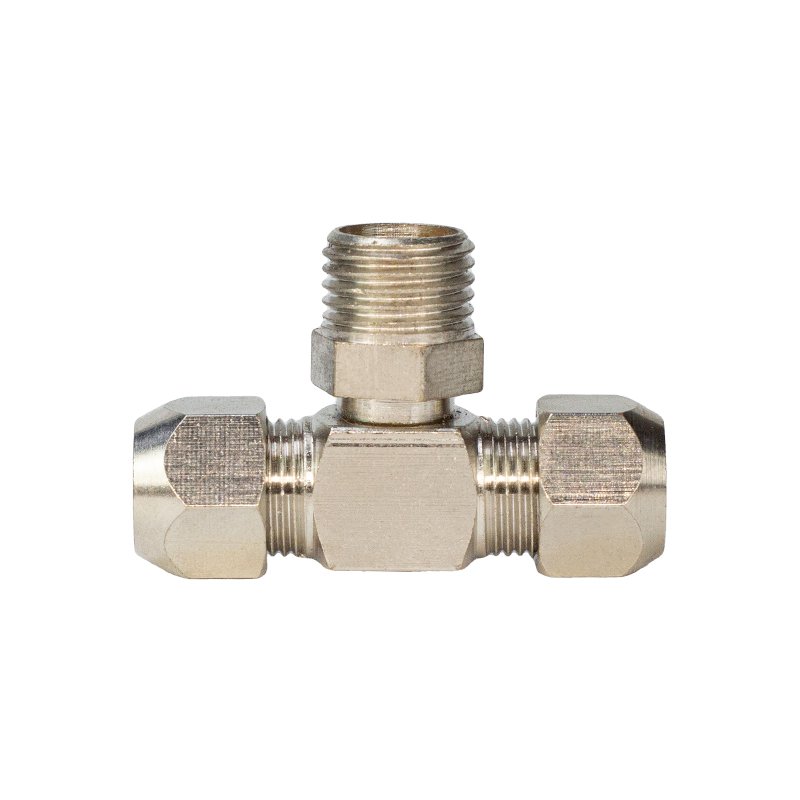
You’ll find a variety of shapes to fit different plumbing needs, including straight connectors, elbows, tees, crosses, and reducers. This range covers almost any piping layout, from simple straight runs to complex branch systems.
Besides these shapes, copper ferrule fittings are available as male and female connectors, bulkhead fittings for panel mounting, and caps or plugs for sealing tube ends. This versatility makes them suitable for many industrial and residential applications.
Sizes typically range from 1/8″ up to 2″ in diameter, with metric equivalents widely available to meet international standards. This broad size selection ensures compatibility with most copper tubing used in water, gas, and HVAC systems.
Regarding materials, copper ferrule fittings come in pure copper, which offers excellent corrosion resistance and conductivity, and copper-alloy options designed to enhance strength or reduce costs while maintaining performance.
For a reliable supplier of copper ferrule connectors in various designs and sizes, check out this range of copper ferrule fittings that combines quality with customization options.
Advantages of Copper Ferrule Fittings
Copper ferrule fittings stand out for their excellent corrosion resistance and superior thermal conductivity, making them ideal for a wide range of applications. Thanks to the natural properties of copper, these fittings provide leak-proof performance in both high- and low-pressure systems, ensuring reliable connections without worrying about failures or drips.
Installation is straightforward, and with the right technique, copper compression fittings are reusable, saving time and costs during maintenance or system upgrades. This ease of assembly and disassembly makes them popular in various industries.
Additionally, copper ferrule fittings offer long service life with minimal maintenance required, which means fewer replacements and less downtime. They are fully compatible with copper tubing used in water, gas, and refrigerant lines, maintaining system integrity and efficiency over time.
These advantages make copper ferrule fittings a smart choice for anyone looking for durable, efficient, and cost-effective copper pipe connectors.
Common Applications and Industries
Copper ferrule fittings are widely used across many industries because of their reliability and performance. In residential and commercial plumbing, they connect water supply lines securely, ensuring leak-proof copper joints that stand the test of time. Their excellent corrosion resistance and thermal conductivity make them ideal for HVAC and refrigeration systems, where maintaining system integrity under varying temperatures is critical.
These fittings are also common in compressed air and gas lines, providing safe and dependable connections in high-pressure environments. Instrumentation and hydraulic systems rely on copper compression fittings to maintain precise, leak-free flow control essential for sensitive equipment.
Copper excels in conductive and corrosive environments thanks to its natural durability and resistance to rust and oxidation. This makes copper pipe connectors the preferred choice for fluid and gas transfer where longevity and safety are non-negotiable.
For those interested in exploring more specific connectors in related categories, you might find our copper barb connectors a useful comparison.
How to Install Copper Ferrule Fittings: Step-by-Step Guide
Installing copper ferrule fittings is straightforward when you have the right tools and follow the proper steps. Here’s a simple guide to help you get a leak-proof connection every time.
Tools Needed
- Tube cutter: For precise cuts on copper tubing
- Deburring tool: To clean and smooth cut edges
- Wrenches: Adjustable or open-end for tightening nuts
Preparation
- Cut the copper tubing squarely using the tube cutter. This ensures a proper seal.
- Deburr inside and outside edges with the deburring tool to remove sharp edges or debris that can damage the ferrule or cause leaks.
- Clean the tubing surface where the ferrule will sit to ensure good contact and sealing.
Assembly Steps
- Slide the compression nut onto the tubing first.
- Next, slide on the copper ferrule (or ferrules if using double ferrule fittings).
- Insert the tubing fully into the fitting body until it bottoms out.
- Slide the ferrule and nut forward to the fitting threads.
- Tighten the nut with a wrench by hand first, then use the wrench to tighten another 1/4 to 1/2 turn to compress the ferrule and create a secure seal.
Tips to Avoid Leaks
- Avoid over-tightening, which can deform the ferrule and damage the tubing.
- Use proper torque—follow manufacturer recommendations if available.
- Make sure tubing is fully inserted before tightening the nut.
- Always install new ferrules; reusing ferrules can cause leaks since they lose their shape after first use.
Troubleshooting Common Issues
- If the joint leaks after tightening, ensure the nut is snug but not overly tight.
- Replace ferrules if you dismantle a connection. Old ferrules won’t grip or seal correctly the second time.
- Check for damaged or dirty tubing ends and recut if necessary.
For more detailed information on compression ferrule fittings and installation tips, you can also explore our range of high-quality copper pipe connectors that simplify your plumbing and HVAC projects.
Copper Ferrule Fittings vs. Alternatives
When it comes to choosing copper ferrule fittings, it’s useful to compare them with other common options like brass, stainless steel, and soldered joints. Each has its strengths and ideal use cases.
| Feature | Copper Ferrule Fittings | Brass Fittings | Stainless Steel Fittings | Soldered Joints |
|---|---|---|---|---|
| Material | Pure copper or copper-alloy | Brass (copper and zinc alloy) | Stainless steel | Copper (with solder) |
| Corrosion Resistance | Excellent, especially with water/gas | Good, but less conductive | Excellent, very durable | Good, but joints can degrade over time |
| Thermal Conductivity | High | Moderate | Low | High |
| Installation | Easy, quick compression fitting | Moderate, often compression or threaded | Requires special tools, welding | Requires skilled soldering |
| Reusability | Yes (with care) | Often reusable | Usually reusable | No (permanent joints) |
| Leak-Proof Reliability | Very good with proper installation | Good | Excellent | Excellent when done correctly |
| Pressure Rating | Typically up to medium-high pressure | Medium | High | Varies, generally medium |
| Cost | Moderate | Lower | Higher | Low material cost, high labor cost |
| Common Uses | Copper pipe connectors in water, gas, refrigeration | Plumbing, HVAC connectors | Harsh environments, high-stress lines | Residential water lines, HVAC |
When to Choose Copper Ferrule Fittings
- Cost-effectiveness: Copper ferrule fittings offer a great balance between price and performance, particularly compared to stainless steel.
- Excellent conductivity: Ideal for applications needing good thermal or electrical performance, like refrigeration and HVAC.
- Ease of installation: Quick and reusable, they save time and labor on site versus soldered joints.
- Corrosion resistance: Perfect in water, gas, and refrigerant lines where copper tubing is standard.
Copper ferrule fittings stand out for their reliability, ease of use, and compatibility with copper tubing. They also avoid the skill and time requirements of soldering and provide better corrosion resistance than brass. For more detailed guidance on installation and applications, you might find our ferrule installation guide useful.
Key Specifications and Standards for Copper Ferrule Fittings
Understanding the key specifications and standards is crucial when selecting copper ferrule fittings to ensure safety, compatibility, and performance.
Material Grades
Copper ferrule fittings typically adhere to recognized material standards such as:
- ASTM B88 – Standard specification for seamless copper water tubes
- ASTM B75 – Covers copper and copper-alloy seamless tubes for air conditioning and refrigeration
These grades guarantee quality copper tubing and fittings that meet industry durability and corrosion resistance requirements.
Pressure and Temperature Ratings
Copper compression fittings are designed to handle various system demands. Typical ratings include:
| Pressure Rating | Temperature Range | Application Example |
|---|---|---|
| Up to 200 psi | -40°C to 150°C | Residential water supply |
| Up to 500 psi (high-pressure versions) | -40°C to 250°C | HVAC, refrigeration systems |
Make sure to use fittings rated for your system’s pressure and temperature to maintain a leak-proof connection.
Compliance Standards
Key compliance standards include:
- ASME B16.22 – Copper and copper alloy solder-joint pressure fittings
- DIN 2353 – Compression fittings standards for hydraulic and instrumentation tubing
Complying with these standards ensures fittings meet stringent quality and safety rules, especially in industrial and HVAC applications.
Size Charts and Compatibility
Copper ferrule fittings come in a wide range of sizes, typically measured in inches and metric:
| Nominal Size (inches) | Metric Equivalent (mm) | Common Use |
|---|---|---|
| 1/8″ to 2″ | 6 mm to 50 mm | Water, gas, and refrigeration tubing |
It’s important to check size compatibility with your copper tubing and system specs to ensure a reliable fit.
For high-quality copper compression connections and detailed product options, explore specialized fittings like those from ZZJYT push-to-connect fittings, designed for precision and durability in copper tubing systems.
Buying Guide: How to Choose the Right Copper Ferrule Fittings
Selecting the right copper ferrule fittings is key for a secure, leak-proof connection. Here’s what to keep in mind:
Key Factors to Consider
| Factor | What to Look For |
|---|---|
| Size | Match the fitting size with your copper tubing (e.g., 1/8″ to 2″) for a perfect seal. |
| Pressure Rating | Ensure fittings meet your system’s pressure and temperature needs, especially for HVAC or refrigeration lines. |
| Application Type | Choose fittings designed for water, gas, refrigerants, or instrumentation to guarantee compatibility. |
| Material Grade | Opt for high-quality pure copper or copper alloy fittings that comply with ASTM standards for durability. |
Bulk vs. Individual Purchases
- Bulk Buying: Ideal for large projects or regular use—bulk copper fittings wholesale rates usually save money.
- Individual Purchases: Best for repairs or small jobs where specific sizes or types vary.
Why Quality Suppliers Matter
Finding a reliable supplier ensures you get:
- Precise sizing and customization options tailored to your project.
- Consistent quality that meets industry norms.
- Support for bulk orders and fast delivery, avoiding downtime.
For example, the ZZJYT copper ferrule fittings range offers customizable sizes and configurations that suit various applications while maintaining quality and competitive pricing.
Choosing the right copper ferrule fittings isn’t just about size—pressure, application type, and supplier reliability also count. Keep these in check to get leak-proof, durable connections every time.
ZZJYT Copper Ferrule Fittings: Quality You Can Trust
ZZJYT offers a wide range of copper ferrule fittings designed to meet diverse industrial and commercial needs. Whether you require standard compression ferrule fittings, elbows, tees, or custom connectors, ZZJYT’s product line covers sizes from small 1/8″ up to 2″ and beyond, suitable for various copper pipe connectors.
Customization is a strong point here—choose from different sizes, ferrule designs, and configurations to perfectly match your application, whether it’s HVAC copper fittings, refrigeration tube fittings, or instrumentation ferrule fittings. This flexibility ensures you get exactly what you need without compromise.
When it comes to pricing, ZZJYT is competitive, offering bulk copper fittings wholesale options that make large projects more affordable without sacrificing quality. Their focus on fast delivery and reliable customer support means you won’t be left waiting or left in the dark after purchase.
ZZJYT stands out for its commitment to quality, precision manufacturing, and compliance with important standards like ASTM copper ferrule specifications. This makes their ferrule fittings ideal for leak-proof copper joints across plumbing, gas lines, and hydraulic systems.
For peace of mind and tailored fitting solutions, explore ZZJYT’s range of copper ferrule fittings and learn how their products can suit your specific needs with both ferrule fitting customization and dependable supplier service. Check out their pneumatic connectors as part of related solutions in tube fitting technology on their site here.
Frequently Asked Questions (FAQs)
Can copper ferrule fittings be reused?
Copper ferrule fittings can be reused if removed carefully without damaging the ferrule or the tubing. However, it’s generally recommended to replace the ferrule when possible, as reusing can sometimes lead to leaks if the compression seal is compromised.
What sizes are available for copper ferrule fittings?
Copper ferrule fittings come in a wide range of sizes, typically from 1/8″ up to 2″, including metric equivalents. This size variety covers most residential, commercial, and industrial copper tubing applications.
Are copper ferrule fittings suitable for gas lines?
Yes, copper compression fittings with ferrules are widely used in gas lines due to their leak-proof performance and corrosion resistance. Always make sure the fittings comply with local codes and standards for gas applications.
What types of copper ferrule fittings exist?
Common types include straight connectors, elbows, tees, reducers, and bulkhead fittings. They come in single and double ferrule designs, with pure copper or copper-alloy options depending on the application.
How do copper ferrule fittings compare to brass or stainless steel?
Copper fittings offer excellent thermal conductivity and corrosion resistance at a competitive price, ideal for water, HVAC, and refrigeration systems. Brass is durable but less conductive, while stainless steel excels in high-pressure and corrosive environments but is more costly.
Where can I buy quality copper ferrule fittings?
Trusted suppliers like ZZJYT offer a wide range of copper ferrule fittings, including customization options and wholesale pricing, ensuring reliable and leak-proof copper joints. For more details, check out ZZJYT’s custom ferrule fittings supplier.
If you have other questions about copper compression fittings or need advice on installation and maintenance, feel free to ask!