Pneumatic cylinders are workhorses in automation, delivering dependable linear motion with simple maintenance. When selecting a cylinder, one question consistently rises to the top: should a standard pneumatic cylinder be used, or is a compact pneumatic cylinder the better fit? At a glance, both types share the same core function, but they differ in size, force capacity, mounting options, and space requirements.
This article dives into the distinctions, benefits, and trade-offs between standard and compact pneumatic cylinders, with practical guidance for choosing the right solution for your application. If you’re evaluating a tight packaging line, a delicate pick-and-place task, or a high-cycle manufacturing process, understanding these differences can save time and money while improving performance.
What is a compact pneumatic cylinder?
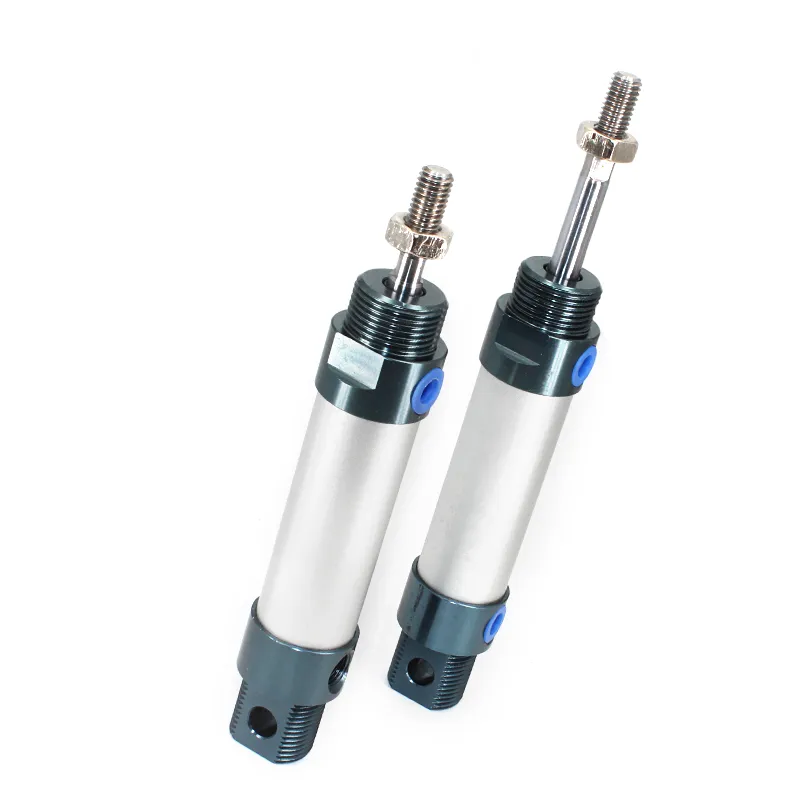
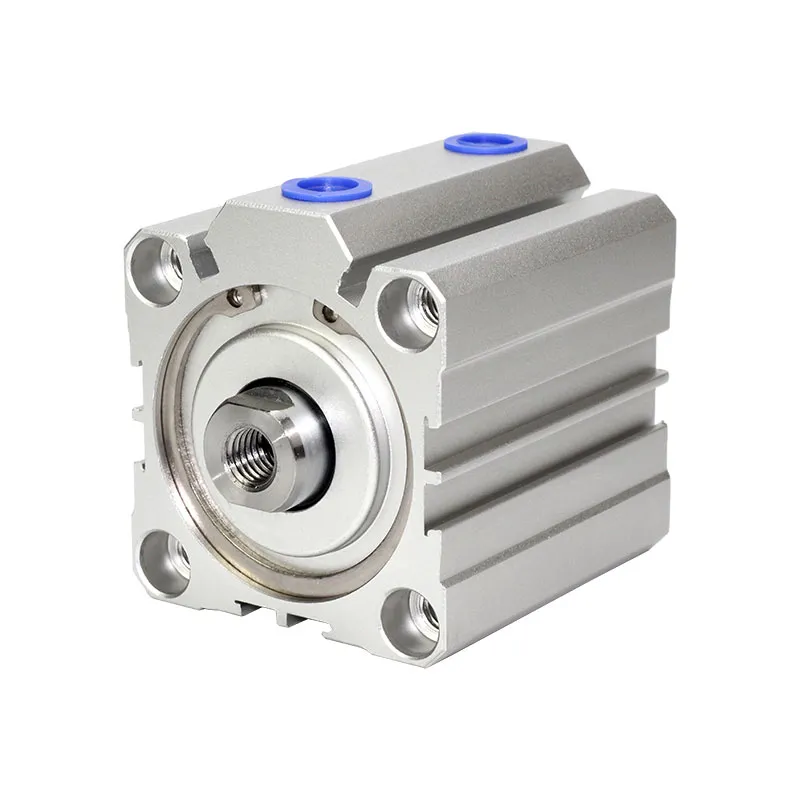
A ACQ-Z2 compact pneumatic cylinder is designed to deliver pneumatic actuation in a smaller footprint. It packs the essential components—piston rod, cylinder housing, end caps, and a port for compressed air—into a denser, shorter profile. This makes it ideal for confined spaces or applications where mounting space is at a premium. Despite its size, a compact cylinder can still deliver reliable repeatable strokes and consistent force, which is crucial for precision tasks in robotics, packaging, and automated assembly. If space is your primary constraint but you still need dependable linear motion, a compact cylinder often checks the box.
What is a standard pneumatic cylinder?
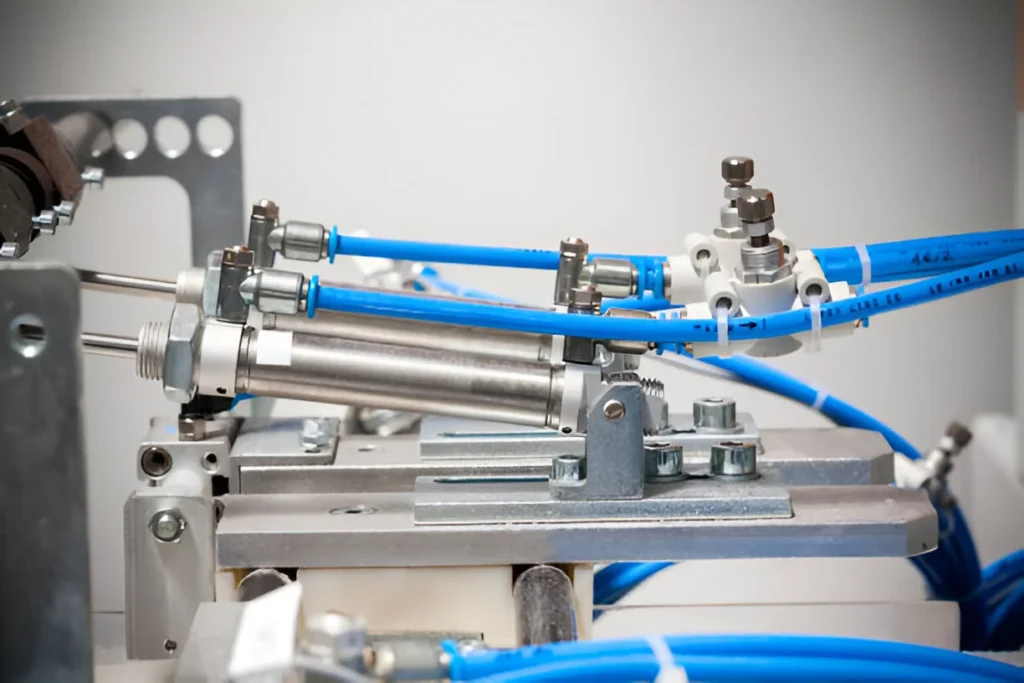
A standard pneumatic cylinder emphasizes straightforward, robust performance with a longer stroke length and a larger bore. It is well-suited for applications that require greater travel distance, higher force, or more robust mounting configurations. Standard cylinders are versatile, compatible with a wide range of end fittings and accessories, and they tend to be easier to seal and service due to their larger size. For projects with generous space and demanding travel or force requirements, a standard cylinder is a natural choice.
Key differences at a glance
Footprint and size: Compact cylinders have a shorter, slimmer profile; standard cylinders are larger with longer strokes.
Stroke length: Compact variants often offer shorter strokes, while standard models provide longer travel options.
Force capacity: The bore size and overall design of standard cylinders typically yield higher pushing or pulling forces.
Mounting flexibility: Standard cylinders tend to have more mounting options and easier alignment for complex setups.
Application fit: Compact cylinders excel in tight spaces and high-density layouts; standard cylinders shine in high-load, long-stroke scenarios.
Maintenance and service: Larger cylinders can be easier to service due to accessible components, while compact models require careful attention to seals and rigidity in a smaller enclosure.
Dive deeper into space planning
When space is restricted, every millimeter matters. A compact pneumatic cylinder’s short body allows mounting in corners, under shelves, or between stacked components where a standard cylinder would not fit. For a packaging line that handles small products or tight-tolerance assembly, a compact cylinder can reduce the footprint of the robot’s gripper or the press station. Conversely, in an automation cell where length of travel is a driver, a standard cylinder often provides the needed stroke without resorting to a more complex solution like a telescoping cylinder or a multi-stage actuator.
Stroke length and speed considerations
- Shorter strokes in compact cylinders can sometimes limit reach. For tasks that require rapid, small displacements, compact cylinders offer fast cycles and minimal inertial load.
- For longer strokes, a standard cylinder minimizes the need for additional linkages or alternative actuation methods, keeping the design simple and robust.
- In high-cycle applications, the choice influences wear patterns. A compact cylinder may experience higher relative wear on seals if the operating load approaches its design limits, making seal quality and lubrication critical.
Materials, durability, and seal considerations
- Compact cylinders often use high-strength alloys and precision-machined components to maximize stiffness within a small envelope. This reduces deflection under load and helps maintain accuracy.
- Seal kits in both types are important for longevity. The compact version may require more careful sealing choices to prevent leakage and ensure consistent performance in space-constrained housings.
- Environmental factors—dust, moisture, temperature—should guide material choices and protective features. In harsher environments, sealed or IP-rated options help preserve performance.
Compatibility with accessories and maintainability
- End caps, mounting accessories, and cushion options are widely available for both cylinder types. However, compact cylinders may need compact mounting brackets and specialized clevises to avoid interference.
- Maintenance routines for standard cylinders can be more straightforward due to easier access for inspection and parts replacement. For compact cylinders, schedule regular checks of seals and the piston rod to catch wear early.
Control and integration considerations
- Both standard and compact cylinders can be driven by standard 3-way solenoid valves, marshalling manifolds, or proportional valves. The control strategy often depends on the desired stroke length, speed, and force.
- Pressure and flow requirements differ. Compact cylinders, with smaller volumes, respond quickly, but the system must still supply sufficient air to achieve required speed and force.
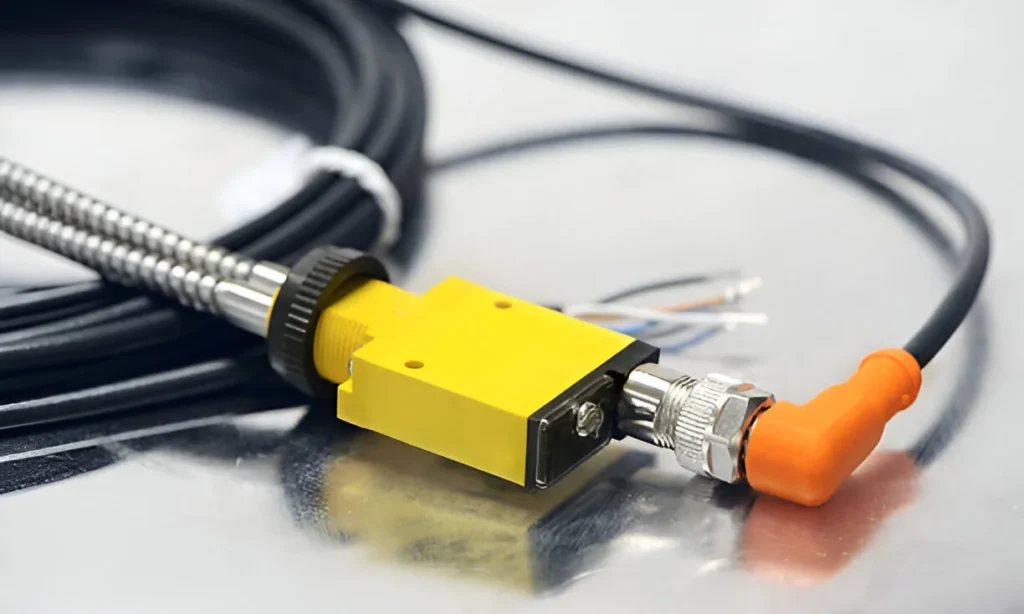
- Sensing and feedback are common across both types. Proximity sensors, limit switches, or embedded position sensors help ensure accurate control, regardless of size.
Maintenance and lifecycle cost
- Initial component cost may be similar, but lifecycle costs diverge based on wear, seal life, and the need for auxiliary parts like cushions or guides.
- Compact cylinders can benefit from high-quality seals and lubrication-sensitive designs to extend life in tight spaces.
- Standard cylinders, with easier access, might reduce downtime for maintenance in some setups, but their larger footprint can raise upfront and installation costs.
Common applications for compact pneumatic cylinder
Precision pick-and-place in tight robotic cells
Medical device assembly where space is critical
Electronics manufacturing with dense line layouts
Automotive assembly lines with compact, high-speed actuators
Food and packaging lines requiring compact actuators in constrained spaces
Common applications for standard cylinders
Heavy-duty clamping and pressing tasks
Long-stroke handling or assembly lines with generous space
Robotic end-effectors requiring substantial actuation force
Material handling and transfer stations with extended travel
Industrial automation where robust, easy-to-service components are valued
Ease of installation and troubleshooting tips
- Measure the available space carefully. A quick drawing with a scale can prevent ordering the wrong size.
- Check the bore size and stroke to ensure compatibility with your mechanical linkages.
- Verify air supply quality: clean, dry air improves seal life and performance for both cylinder types.
- Prefer standardized components and modular accessories to simplify maintenance and future upgrades.
- Keep spare seals and service kits on hand as part of routine maintenance.
Maintenance checklist for both types
Inspect seals and rods for scratches or wear.
Check mounting hardware for tightness and alignment.
Verify cushioning performance if applicable.
Monitor air pressure and filter condition.
Inspect connections for leaks or corrosion.
Both standard and compact pneumatic cylinders have a valuable place in automation. The choice hinges on space, stroke, and load requirements. Compact cylinders excel when room is at a premium and high-density layouts demand streamlined actuation. Standard cylinders dominate in applications requiring longer travel, higher force, and simpler maintenance paths. By evaluating space constraints, movement needs, and environmental factors, it’s possible to select a cylinder that delivers reliable performance without overcomplicating the system. If you’re unsure which route to take, consider a brief consult to map your space, loads, and cycle requirements, then we can help tailor a solution that fits your exact needs and budget. Ready to explore options? Send an inquiry or request a quote, and the team will guide you to the best compact or standard cylinder for your application.
FAQ
How do I decide between a standard and a compact cylinder for a new project?
Start with space constraints and required stroke. If the line can accommodate a longer cylinder without interfering with other components, a standard cylinder often provides more robustness and easier integration. In tight spaces or high-density layouts, a compact cylinder helps maximize the layout efficiency.
Can a compact cylinder deliver the same force as a standard cylinder?
Not always. While advancements in materials and design have improved compact cylinders, standard cylinders typically offer higher force due to a larger bore and longer stroke. If force is critical, compare bore sizes, rod diameters, and available cushions.
What about maintenance in tight spaces?
Tight spaces can complicate maintenance. Choose cylinders with easy-access seals and modular kits. Regular lubrication and protective housings help extend life.
Are there hybrid solutions?
Yes. Some systems combine compact cylinders with telescoping or multi-stage actuators to achieve both short footprint and extended reach. This approach can balance space and travel requirements.
Which is better for high-speed applications?
Speed depends on air supply, valve control, and load. Compact cylinders can achieve quick cycles in tight spaces due to short air paths and low inertial load, but a standard cylinder may deliver smoother operation for heavier tasks.