What Are Ferrule Compression Fittings?
Ferrule compression fittings are essential components used to connect tubes or pipes securely without welding or soldering. At their core, these fittings consist of three main parts: the body, the nut, and one or more ferrules (also called sleeves). The body provides the main connection point, the nut tightens over the ferrule, and the ferrule(s) act as the critical sealing element.
The magic of ferrule compression fittings lies in how they create a leak-tight compression seal. When the nut is tightened onto the body, it compresses the ferrule radially against the tubing and the fitting body. This radial compression causes the ferrule to bite into the tube’s surface, creating a secure grip and a reliable seal that resists leaks—even under high pressure or vibration.
Historically, compression fittings evolved from simple pipe connectors to sophisticated flareless tube fittings widely used in various industries. The evolution improved sealing performance, material options, and ease of installation, making ferrule compression fittings a go-to choice for plumbing, instrumentation, hydraulic, and pneumatic systems worldwide.
In , ferrule compression fittings offer a practical, high-performance method to join tubing with a strong, reusable, and corrosion-resistant seal. This combination of parts and sealing technique defines their lasting popularity across multiple critical applications.

Types of Ferrule Compression Fittings
Ferrule compression fittings mainly come in two designs: single ferrule and double (twin) ferrule. A single ferrule fitting uses one ferrule to grip and seal the tubing, making it simpler and often more cost-effective. Double ferrule fittings, on the other hand, have two ferrules—a front ferrule that creates the seal and a back ferrule that grips the tube firmly. This twin ferrule design offers better reliability, especially in high-pressure or vibration-prone applications, but can be slightly more complex to install.
Regarding materials, you’ll most commonly find ferrule compression fittings made from brass, stainless steel (316 and 304 grades), carbon steel, and sometimes exotic alloys for demanding environments. Brass compression ferrules are popular for plumbing and low-pressure use, while stainless steel tube fittings excel in corrosion resistance and toughness, making them suitable for harsh industrial settings. Carbon steel and exotic alloys cater to special needs like extreme temperatures or chemical exposure.
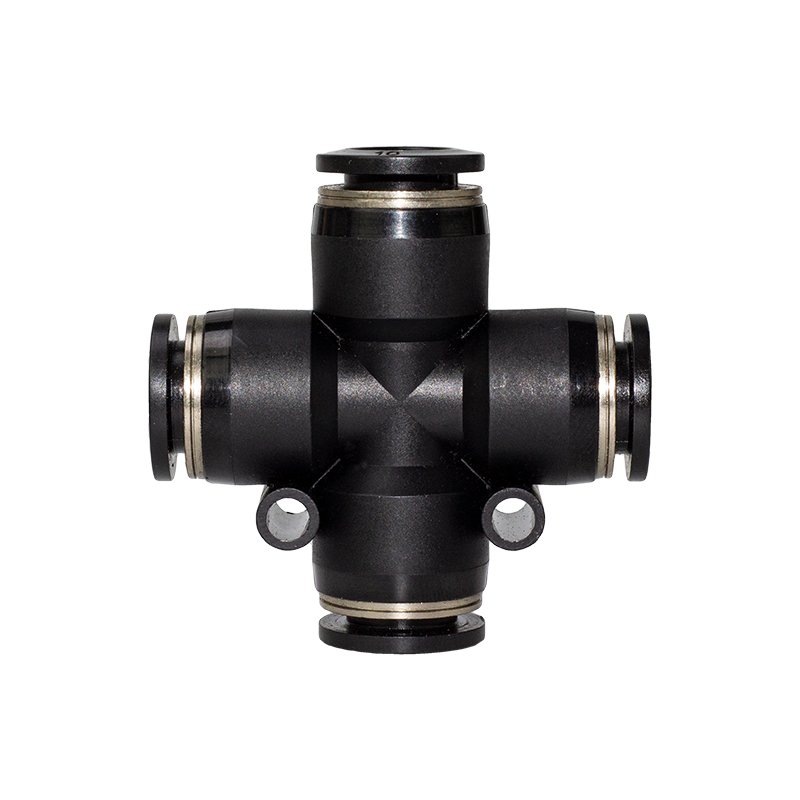
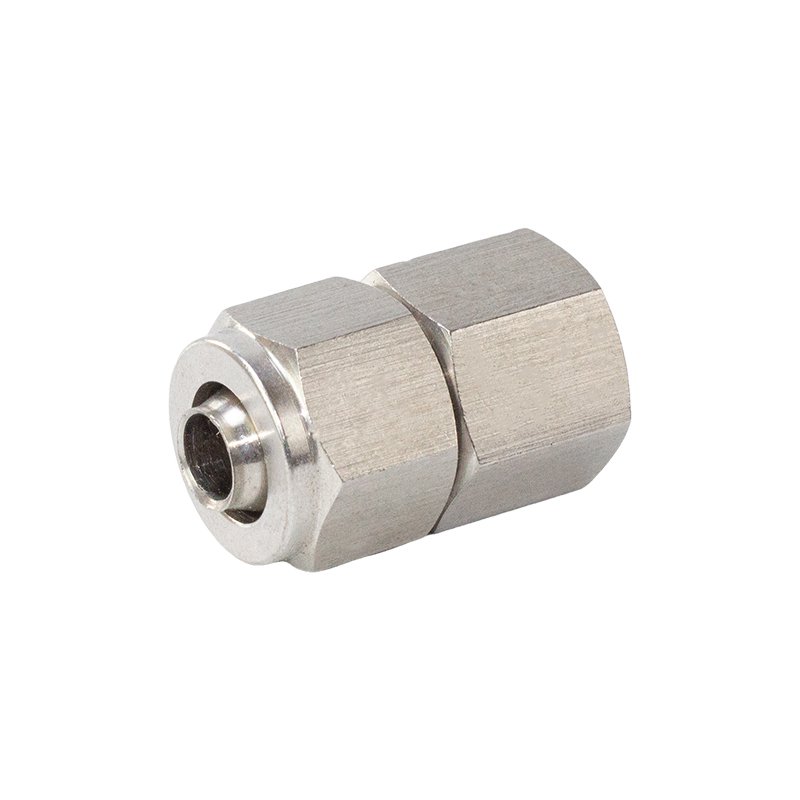
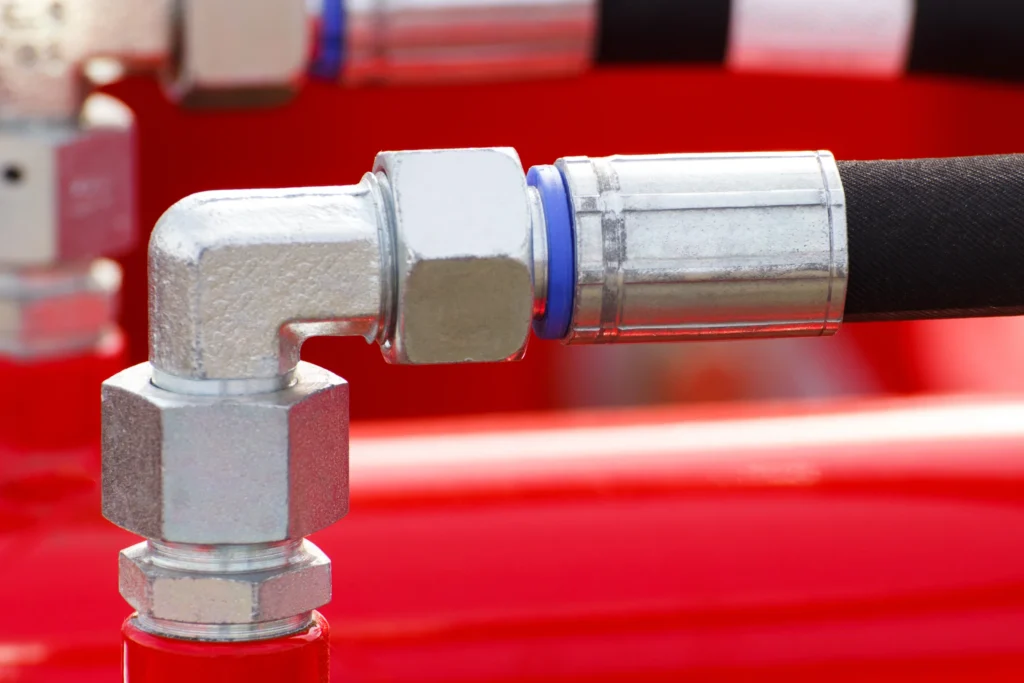
Common configurations include straight unions, elbows, tees, reducers, bulkheads, and both male and female connectors. Each type serves a specific purpose, from simple straight connections to complex directional changes in tubing runs.
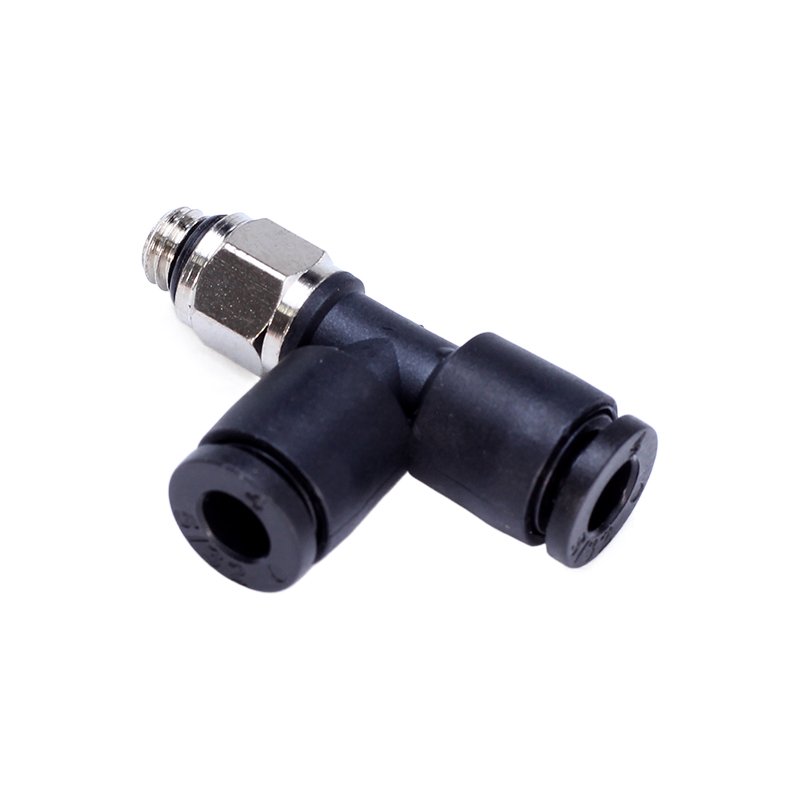
If you want reliable options for your instrumentation or pneumatic systems, you might also explore connectors like those found in our pneumatic push-to-connect fittings or copper barb connectors, perfect for quick assembly applications.
By knowing these types and their characteristics, you can pick the right ferrule fitting for performance and durability tailored to your project’s needs.
How Ferrule Compression Fittings Work
Ferrule compression fittings create a strong, leak-tight seal using a simple but effective mechanism. Here’s how they work step-by-step:
- Assembly: The tubing is inserted into the fitting’s body, followed by slipping the nut and ferrule(s) over the tube end.
- Tightening: As you tighten the nut onto the fitting body, it pushes the ferrule(s) forward.
- Radial Compression: The ferrule(s) compress and bite into the tubing surface. This radial compression grips the tube firmly, preventing it from pulling out.
- Seal Formation: The compression forms a metal-to-metal or metal-to-plastic seal, depending on the tubing material, ensuring a leak-tight connection without welding or soldering.
The ferrule’s role is crucial—it acts both as a gripping agent and a sealing element. Single ferrule designs provide a straightforward seal by deforming around the tube, while double (twin) ferrule fittings have an additional ferrule to enhance grip and improve vibration resistance.
Ferrule compression fittings are compatible with various tubing materials including copper, stainless steel, PEX, and certain plastics. Their design accommodates the slight differences in softness and hardness across these materials, ensuring reliable sealing without damaging the tubing.
For reliable stainless steel tube fitting solutions and smooth installation, choosing the right ferrule compression fitting tailored to your tubing material is essential.
Advantages and Benefits of Ferrule Compression Fittings
Ferrule compression fittings offer several key advantages, making them a top choice for many industries:
| Benefit | Explanation |
|---|---|
| Leak-proof performance | Provides a reliable, leak-tight compression seal even under high pressure and constant vibration. Ideal for tough hydraulic and pneumatic lines. |
| Easy installation & removal | No need for welding, soldering, or flaring. Simply tighten the ferrule nut assembly for a secure fit, saving time and labor costs. |
| Reusable & low maintenance | Fittings can be disassembled and reused without losing sealing efficiency, reducing downtime and parts replacement. |
| Corrosion resistance | Available in materials like stainless steel (316/304) and brass, providing excellent resistance to corrosion and chemical exposure. |
| Wide temperature tolerance | Perform reliably in extreme temperature ranges, from freezing conditions to high-heat environments, suitable for various industrial setups. |
These advantages make ferrule compression fittings the go-to choice for systems requiring dependable, durable, and easy-to-maintain tube compression connectors. Their versatility across different tubing materials—such as copper, stainless steel, and PEX—also adds to their popularity.
For those working with pneumatic or hydraulic systems, using high-quality fittings like stainless steel locknut connectors from trusted suppliers ensures optimal performance and peace of mind.
Ferrule Compression Fittings vs. Flare Fittings
Ferrule compression fittings and flare fittings both create secure connections for tubing, but they have key design and sealing differences. Ferrule compression fittings use one or two ferrules to grip and seal the tubing through radial compression, providing a leak-tight compression seal without deforming the tube end. Flare fittings, on the other hand, require the tube end to be flared outward, which mates with a tapered fitting surface to create a seal.
When to Choose Compression Over Flare
- Compression fittings are ideal for quick, reliable installation where no special tube end prep (like flaring) is needed. They work well with a wide range of tubing materials, including stainless steel and PEX tubing.
- Flare fittings are better suited for high-pressure applications involving softer metals like copper and aluminum, where a flare provides a robust mechanical seal.
Performance Comparison
- Pressure and Vibration: Ferrule compression fittings generally hold up better under vibration and cyclic pressure changes due to their dual ferrule design, which grips and supports the tubing firmly. Flare fittings can loosen over time if vibrations are severe.
- Installation: Compression fittings are quicker and easier to install or disassemble since they don’t require additional tube end shaping. Flare fittings take more effort and tools to flare the tube accurately.
- Leak Resistance: Both can perform well leak-tight if installed properly, but a twin ferrule compression fitting often provides superior leak-proof performance thanks to the backup ferrule supporting the seal.
For applications where ease of installation and high vibration resistance matter, ferrule compression fittings are typically the go-to. For situations requiring a traditional mechanical flare seal, especially on copper tubing, flare fittings might be preferred.
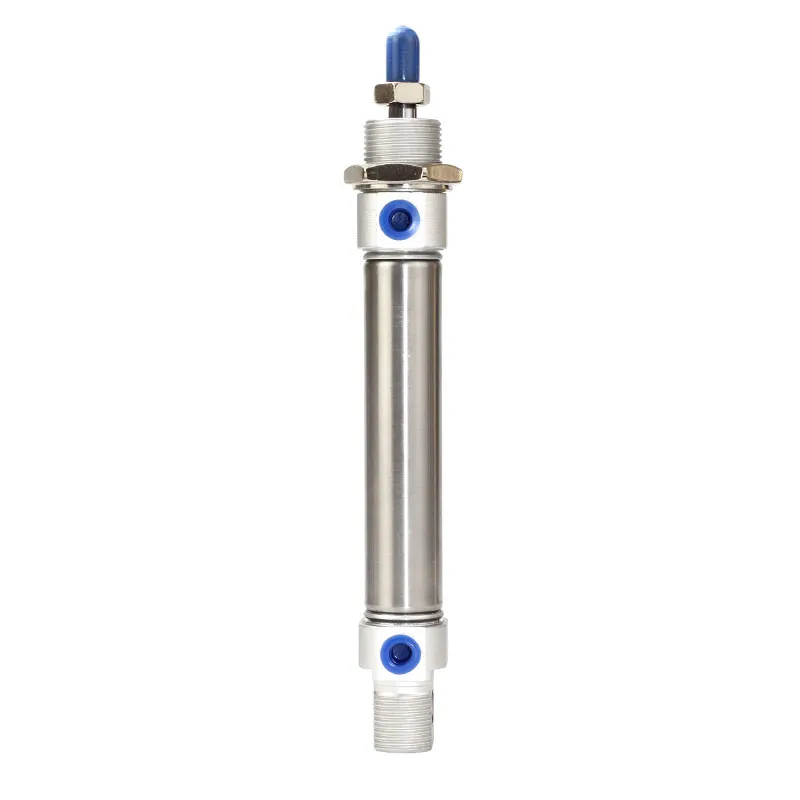
Choosing the right fitting can improve system durability and maintenance ease, so consider your tubing material, pressure needs, and environment when deciding. If you’re working with pneumatic or hydraulic cylinders, you may find our TCM & TCL guide cylinders compatible and easy to integrate with ferrule compression fittings.
Applications and Industries
Ferrule compression fittings are incredibly versatile and widely used across many sectors due to their leak-tight compression seal and reliable performance. In plumbing and water systems, these fittings handle everything from domestic water lines to large-scale municipal piping with ease, thanks to their corrosion resistance and ease of installation.
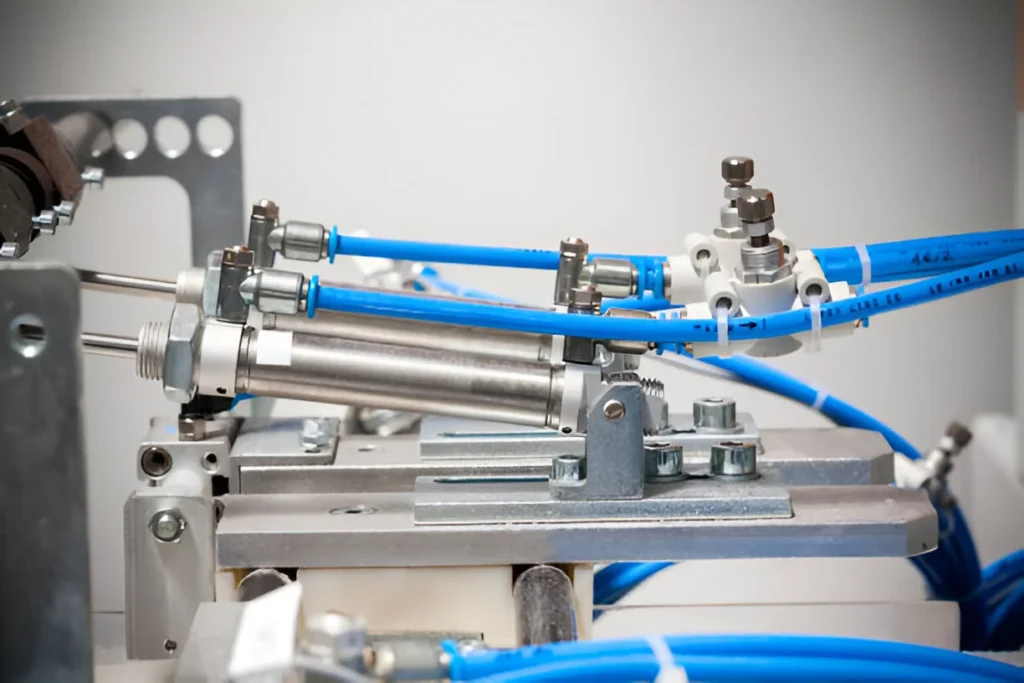
In hydraulic and pneumatic lines, ferrule fittings provide secure connections that withstand high pressure and vibration, making them a go-to choice for hydraulic compression fittings in industrial machinery and automation.
The instrumentation and process control industries, including oil & gas, chemical plants, and semiconductor manufacturing, rely on precision stainless steel tube fittings and custom ferrule fittings to ensure contamination-free, leak-proof connections. Their compatibility with exotic alloys and clean design makes them ideal here.
Additionally, the aerospace, defense, and high-purity systems sectors demand fittings that meet strict safety and quality standards. Ferrule compression fittings stand up to extreme temperatures and pressures while offering consistent performance in these critical applications.
For those interested in high-quality solutions, exploring our range of stainless steel ferrule connectors provides excellent options tailored for demanding industries.
Selecting the Right Ferrule Compression Fitting
Choosing the right ferrule compression fitting is crucial for a secure, leak-proof connection. Here’s what to keep in mind:
- Pressure Rating: Make sure the fitting matches or exceeds the system’s maximum operating pressure. High-pressure tube connectors need fittings designed to handle stress without failure.
- Tubing Outer Diameter (OD): Ferrule compression fittings come in a range of sizes, typically fractional from 1/16″ up to 2″, and metric from 2mm to 50mm. Measure your tubing OD accurately to pick a compatible fitting.
- Material Compatibility: Match the fitting material to your tubing and environment. Brass compression ferrules work well for common plumbing, stainless steel tube fittings suit corrosive or hygienic environments, and exotic alloys are available for specialty needs.
- Temperature Tolerance: Check the temperature limits of both the fitting and tubing. Some materials handle extreme heat or cold better—important for hydraulic or instrumentation tube fittings.
Sizing Guide
| Tubing Size (OD) | Typical Fitting Size |
|---|---|
| 1/16″ to 1/2″ | Small to medium ferrule fittings |
| 5/8″ to 2″ | Larger ferrule compression fittings |
| 2mm to 50mm | Metric fitting range, matching tubing OD |
Tips for Avoiding Common Mistakes
- Always use the correct ferrule type—single ferrule fittings differ in installation and sealing from double ferrule fittings.
- Avoid mixing materials (e.g., a stainless steel ferrule on copper tubing) to reduce corrosion risk.
- Don’t overtighten the ferrule nut; follow tightening guidelines for a leak-tight compression fitting.
- Inspect tubing ends for burrs or damage before assembly to ensure proper sealing and grip.
Choosing the right ferrule fitting right off the bat saves time and prevents leaks. For high-quality, custom ferrule fittings that suit a wide range of applications, you can also explore reliable suppliers offering competitive ferrule fitting prices and wholesale options.
For related pneumatic and hydraulic connections, consider checking out our range of air-operated valve components designed for precise control in complex systems.
Step-by-Step Installation Guide for Ferrule Compression Fittings
Installing ferrule compression fittings correctly is key to achieving a reliable, leak-tight connection. Here’s a clear, step-by-step guide to help you through the process.
Tools Required
- Tubing cutter or saw (for clean, straight cuts)
- Deburring tool or file (to smooth edges)
- Adjustable wrench or spanner
- Inspection tools (optional, like calipers for tube OD)
Preparation: Cutting, Deburring, and Inspecting Tubing
- Cut tubing squarely to ensure proper fit inside the fitting’s body.
- Deburr the inside and outside edges of the tubing. This prevents damage to the ferrule and ensures a tight seal.
- Inspect tubing for damage or dirt. Clean and remove any contaminants before assembly.
Assembly Process for Single and Double Ferrule Types
- Slide the nut onto the tubing. Make sure the ferrule(s) are placed correctly— for double ferrule fittings, the front ferrule grips the tube, and the back ferrule supports it.
- Insert the tubing into the fitting body until it bottoms out.
- Slide the ferrule(s) and nut toward the fitting body.
- Finger-tighten the nut to hold everything in place.
Tightening Guidelines (Turns Past Finger-Tight)
- Use a wrench to tighten the nut further, typically 1 to 1.25 turns past finger-tight for single ferrule fittings.
- For double ferrule compression fittings, tighten about 1 to 1.5 turns past finger-tight, depending on the fitting manufacturer’s specifications.
- Avoid over-tightening, which can damage the ferrule or tubing and cause leaks.
Testing for Leaks and Final Inspection
- After tightening, test the assembly under operating pressure to check for leaks.
- Inspect the connection for any signs of movement or damage.
- If leaks appear, slightly tighten the nut further or disassemble and inspect ferrules for damage.
Following these steps ensures your ferrule compression fitting installation is secure, durable, and leak-proof. For high-quality fittings and detailed installation resources, you can explore reliable suppliers like the ones offering a wide range of filter regulators and pneumatic connectors.
Common Issues and Troubleshooting with Ferrule Compression Fittings
Even the best ferrule compression fittings can face issues if not installed or maintained properly. Here are some common problems and how to solve them:
Leaks: Causes and Fixes
Leaks are the most frequent issue with ferrule fitting systems. They usually happen due to:
- Over-tightening: This can crush or deform the ferrule, damaging the seal.
- Under-tightening: Insufficient compression means the ferrule won’t grip and seal the tubing properly.
- Damaged ferrule: Reusing a cracked or worn ferrule often leads to leaks.
Fix: Always tighten according to manufacturer guidelines (typically 1/4 to 1/2 turns past finger-tight). Replace damaged ferrules rather than reusing them.
Ferrule Orientation Errors
Incorrect ferrule placement, especially with double ferrule fittings, can cause poor sealing or slipping of tubing. Make sure the ferrule seats properly in the body before tightening.
Compatibility Issues with PEX or Soft Tubing
PEX and other flexible plastic tubing can pose challenges for ferrule compression fittings because their softness can prevent a solid grip. Use fittings specifically designed for PEX or consider alternative connection methods.
When to Replace vs. Reuse Fittings
While some ferrule fittings allow reusability, it depends on the condition of the ferrule and tubing:
- Replace ferrules if deformed, cracked, or damaged.
- Reuse nuts and bodies if undamaged and cleaned.
- Reusing ferrules on standard metal tubing is often possible; avoid reusing on soft or plastic tubing unless explicitly rated.
Addressing these common issues ensures your leak-tight compression fitting setup remains reliable and long-lasting.
For additional solutions and reliable accessory parts, consider browsing ZZJYT’s range of pneumatic hose accessories that complement tube compression connectors and fittings.
Maintenance and Best Practices for Ferrule Compression Fittings
Proper maintenance is key to keeping your ferrule compression fittings in top shape, ensuring long-term performance and leak-tight connections. Here are some simple but effective tips:
Inspection Routines
- Regularly check for leaks around the fitting, especially in high-pressure or vibration-prone environments.
- Look for signs of corrosion, cracking, or damage on the ferrule, nut, and body.
- Inspect tubing ends for any deformation or wear that could affect the seal.
Disassembly and Reassembly Tips
- When taking apart fittings, loosen the nut carefully to avoid damaging the ferrule or tubing.
- Clean all components thoroughly before reassembly—remove debris, dirt, or corrosion.
- Replace the ferrule if you notice any deformation or nicks, especially with single ferrule compression fittings, as reusing damaged ferrules can cause leaks.
- During reassembly, follow the correct tightening guidelines—usually a specified number of turns past finger-tight—to maintain the leak-tight compression seal.
Storage and Handling for Longevity
- Store ferrule compression fittings in a clean, dry place away from dust and corrosive elements.
- Keep fittings in their original packaging until use to prevent dirt or damage.
- Handle carefully to avoid dropping or deforming components like ferrules and nuts, which can affect sealing performance.
Following these maintenance and best practices will help maximize the lifespan and reliability of your ferrule compression fittings, whether in plumbing, hydraulic, or instrumentation applications. For detailed steps on installation and maintenance of connectors, check out our guide on the installation and maintenance of barb connectors, which shares useful tips that apply to similar compression fittings.
Why Choose ZZJYT as Your Ferrule Compression Fitting Supplier
Choosing the right supplier for ferrule compression fittings can make all the difference in quality and performance. Here’s why ZZJYT stands out:
| Feature | Benefit |
|---|---|
| High-Quality Manufacturing | Precision production with strict quality control ensures every ferrule fitting provides a reliable, leak-tight compression seal. |
| Wide Range of Materials & Sizes | From brass compression ferrules to stainless steel tube fittings (304, 316), plus exotic alloys — available in sizes from 1/16″ to 2″ and metric equivalents. Custom ferrule fittings are also offered to match your specific needs. |
| Competitive Pricing & Wholesale | Affordable pricing with options for bulk orders means great value without compromising quality. |
| Reliable Performance | Trusted by industries that require top-tier tube compression connectors, including hydraulic and instrumentation tube fittings, thanks to decades of expertise. |
ZZJYT also offers seamless support for installation and maintenance, making it easier to source your tube compression connectors from a single reliable partner. Find tools and accessories compatible with our fittings, like high-quality pneumatic components, on our site to complement your projects.
For high-performance solutions, check out our selection of stainless steel quick connectors designed to work hand-in-hand with compression fitting systems.
Choosing ZZJYT means investing in durability, versatility, and excellent service — all key for your success with ferrule compression fittings.
FAQs About Ferrule Compression Fittings
What is the difference between single and double ferrule fittings?
Single ferrule compression fittings use one ferrule to grip and seal the tubing, making them simpler and easier to install. Double ferrule (or twin ferrule) fittings have two ferrules—the front one seals while the back one grips the tubing tightly—offering better resistance to vibration and higher pressure capability.
Can ferrule compression fittings be reused?
Yes, many ferrule compression fittings can be reused if they are carefully disassembled without damaging the ferrule or tubing. However, it’s important to inspect the ferrule and fitting for any signs of wear or deformation. Double ferrule fittings generally provide better reusability due to their design.
Are ferrule compression fittings suitable for high-pressure applications?
Absolutely. Ferrule compression fittings, especially those made from stainless steel or high-grade brass, are designed to handle high-pressure environments. Their leak-tight compression seal makes them ideal for hydraulic, pneumatic, and instrumentation lines requiring robust performance.
How do I know if my installation is correct?
A proper installation involves fully inserting the tubing, tightening the nut according to manufacturer guidelines (usually 1 to 1.5 turns past finger-tight), and confirming no leaks during pressure testing. Make sure the ferrule is oriented correctly and the tubing is free from burrs or damage.
Where to buy reliable ferrule compression fittings?
For high-quality ferrule fittings with various material options, sizes, and customizations, suppliers like ZZJYT offer a wide selection. Their products meet strict manufacturing standards, ensuring durable and leak-proof performance. You can also explore their extensive range of stainless steel tube fittings for specialized needs.
Choosing the right ferrule compression fitting supplier is key to reliable, durable connections in your system.