Introduction to Ferrule Fittings
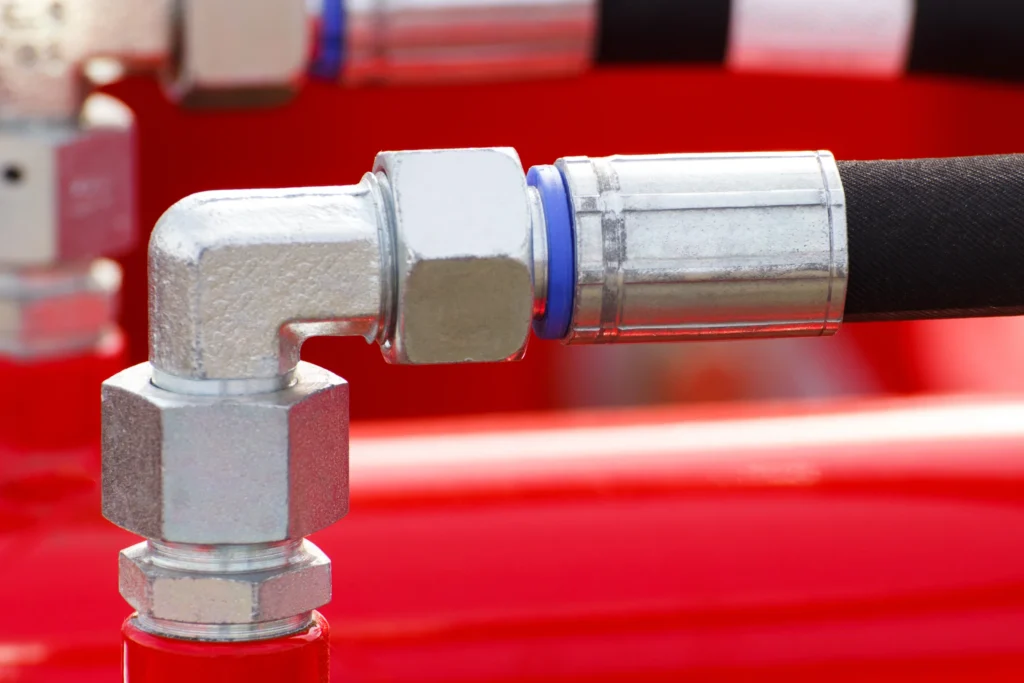
If you’ve ever wondered what keeps tubing systems leak-proof and secure under high pressure, ferrule fittings play a major role. Simply put, ferrule fittings are precision-engineered connectors used to join tubes and pipes, ensuring a tight, reliable seal without welding or soldering. They’re essential in industries where safety, durability, and performance are non-negotiable.
Ferrule fittings consist of small ring-like components called ferrules that compress onto tubing when tightened, creating a leak-proof grip. This design makes them a preferred choice in modern piping and tubing systems—from hydraulic lines to instrumentation fittings—because they combine ease of installation with high-pressure resistance.
Historically, ferrule fittings have evolved alongside industrial demands. Originating decades ago as simple tube compression fittings, they’ve developed into advanced double ferrule designs that offer enhanced grip, vibration resistance, and reusability. Over time, these fittings have become a cornerstone in applications needing precise, dependable tube connections.
In short, ferrule fittings are critical in today’s tubing systems, thanks to their robust sealing capabilities, versatile designs, and proven track record across industries worldwide.

How Ferrule Fittings Work
Ferrule fittings consist of four core components: the body, nut, front ferrule, and back ferrule. These parts work together to create a secure, leak-proof connection in tubing systems.
Here’s how the sealing and gripping mechanism works step-by-step:
- Assembly: First, the fitting’s nut slides over the tube, followed by the back ferrule and then the front ferrule.
- Insertion: The tube is inserted into the fitting body until it bottoms out.
- Tightening the Nut: As you tighten the nut, the front ferrule is pushed forward, compressing onto the tube surface.
- Sealing and Gripping: The front ferrule bites into the tube, creating a tight seal to prevent leaks. Simultaneously, the back ferrule pushes against the front ferrule, locking it firmly in place.
- Secure Hold: This two-ferrule action grips the tube firmly from both ends, preventing movement and vibration loosening.
This design provides superior leak-proof performance compared to standard tube compression fittings because the ferrule’s bite creates a metal-to-metal seal. It ensures a reliable connection even under high pressure and vibration, making ferrule fittings ideal for critical applications in industries like oil & gas, instrumentation, and hydraulics.
If you’re interested in a practical example, check out ZZJYT’s range of high-quality stainless steel ferrule fittings designed for dependable, leak-proof tube connectors.
Types of Ferrule Fittings
Ferrule fittings mainly come in two common types: single ferrule fittings and double ferrule fittings. Each has its own design, strengths, and ideal uses.
Single Ferrule Fittings
- Design: Use one ferrule to create the seal and grip on the tubing.
- Pros: Simple, cost-effective, easier to install.
- Cons: Less vibration resistance, not as reusable, moderate sealing performance.
- Ideal Uses: Low to medium pressure systems, basic instrumentation, general-purpose tubing.
Double Ferrule Fittings
- Design: Feature two ferrules—a front ferrule that seals and a back ferrule that grips the tubing securely.
- Pros: Superior leak-proof seal, stronger grip, reusable after disassembly, better vibration resistance.
- Cons: Slightly higher cost, more complex installation compared to single ferrule fittings.
- Ideal Uses: High-pressure systems, hydraulic and pneumatic applications, critical instrumentation.
Comparison Table: Single vs. Double Ferrule
| Feature | Single Ferrule | Double Ferrule |
|---|---|---|
| Pressure Rating | Moderate | High |
| Vibration Resistance | Low to Moderate | High |
| Leak-Tight Seal | Good | Excellent |
| Reusability | Limited | Yes |
| Cost | Lower | Higher |
Other Variations
- Bite-type fittings: These use a single ferrule that bites into the tube for a quick seal. Less reusable but easy to install.
- Integral ferrule fittings: Ferrules are part of the fitting body, often used for specialized or compact applications.
For precision and reliability, many industries prefer double ferrule fittings or quality stainless steel ferrule options, like the ones available in our stainless steel ferrule connectors.
Choosing the right ferrule fitting depends on your specific pressure rating, vibration conditions, and tubing requirements.
Materials Used in Ferrule Fittings
Ferrule fittings come in a variety of materials, each suited to different environments and applications. The most common is stainless steel, particularly SS316. This material offers excellent corrosion resistance and performs reliably in high-pressure settings, making it a top choice for industries like oil & gas and chemical processing.
Brass ferrule fittings are another popular option. They’re more cost-effective and ideal for general-purpose use, especially in plumbing and low-pressure applications where corrosion isn’t a major concern.
Other materials include carbon steel and specialized alloys designed for extreme environments, such as high temperatures or aggressive chemicals.
When choosing the right ferrule fitting material, consider factors like:
- Pressure and temperature requirements
- Corrosive nature of the media
- Compatibility with tubing material
- Cost-effectiveness
Selecting the appropriate material ensures your ferrule fittings deliver leak-proof performance and long-term durability. For users needing a wide selection, suppliers often offer fittings in various materials tailored to specific needs.
If you’re looking for more on different fitting options, check out our locknut fittings which complement ferrule systems in many assignments.
Key Benefits and Advantages of Ferrule Fittings
Ferrule fittings offer several standout benefits that make them a top choice for modern piping and tubing systems:
- Leak-tight performance
Designed for high-pressure environments, ferrule fittings provide a strong, reliable seal that resists leaks even under heavy vibration. This makes them ideal for critical applications like hydraulic and instrumentation fittings. - Easy installation
No special tools or complex procedures are needed. Ferrule fittings simply slide onto tubing and tighten, cutting down on setup time and labor costs. - Reusability and low maintenance
Many ferrule fittings, especially double ferrule designs, can be disassembled and reused without losing sealing integrity. This reduces replacement needs and downtime. - Compatibility with various tubing materials and sizes
Whether you use stainless steel ferrules for high corrosion resistance or brass ferrule fittings for cost-effectiveness, these fittings accommodate a wide range of tubing materials and diameters.
| Benefit | Details | Keywords Included |
|---|---|---|
| Leak-tight sealing | Holds tight under high pressure and vibration | Leak-proof tube connectors, hydraulic ferrule fittings |
| Simple installation | No special tools required | Ferrule fitting installation |
| Reusable design | Disassembly and reuse possible | Reusable ferrule fittings |
| Wide compatibility | Fits different tubes (SS, brass, alloys) | Stainless steel ferrule, brass ferrule fittings |
For seamless integration into your system, choosing the right ferrule fitting supplier is key. Check out high-quality pneumatic connectors like the PL-G-2 push-to-connect fittings which complement ferrule applications well.
Common Applications of Ferrule Fittings
Ferrule fittings are widely used across various industries because of their reliable leak-proof tube connectors and ease of installation. Here’s where they make the biggest impact:
Oil & Gas and Petrochemical Industries: These sectors demand high-pressure tube fittings that can withstand harsh conditions. Stainless steel ferrule fittings are favored for their corrosion resistance and secure sealing, ensuring safety and efficiency.
Hydraulic and Pneumatic Systems: Hydraulic ferrule fittings provide strong grip and leak-tight performance under vibration. Pneumatic systems rely on these fittings to maintain air pressure without failures in demanding environments.
Instrumentation and Process Control: Accuracy is key here. Twin ferrule design fittings are preferred for precise instrumentation fittings, offering superior sealing and easy reusability for process control applications.
Pharmaceutical, Food Processing, and Semiconductor Manufacturing: Cleanliness and contamination-free connections are critical. Brass and stainless steel ferrule fittings are commonly selected for their material compatibility and compliance with hygiene standards.
Plumbing and Aerospace: In plumbing and aerospace, durability and reliability matter greatly. Ferrule fittings are trusted to provide long-lasting joints that resist vibration and temperature variations without leaks.
For professionals seeking reliable, leak-proof tube compression fitting solutions, exploring specialized fittings like those found in the VML series vacuum fittings can offer additional performance benefits in select applications.
Ferrule Fittings vs. Compression Fittings
Ferrule fittings and compression fittings often get confused, but they serve different needs. Both provide a way to create leak-proof tube connections without welding or soldering, making them popular in piping and tubing systems. However, ferrule fittings rely on a ferrule—typically a metal ring—that grips the tube securely when tightened, while standard compression fittings usually use a single compression ring that compresses the tube against the fitting body.
Key Similarities
- Both create strong, leak-proof seals
- Work well with various tubing materials like stainless steel and copper
- Require no special tools beyond basic wrenches for installation
- Can be reused if properly handled
Major Differences
- Sealing Mechanism: Ferrule fittings use one or two ferrules (single or double ferrule designs) for improved grip and sealing. Compression fittings rely on a single compression ring that can loosen over time.
- Performance: Ferrule fittings generally provide superior leak resistance and better handling of high pressure and vibration. Compression fittings are better suited for lower pressure systems.
- Reusability: Double ferrule fittings can be reused multiple times with consistent sealing, whereas compression fittings often deform and weaken after one use.
- Cost: Compression fittings are usually cheaper upfront but may incur more maintenance and replacement costs. Ferrule fittings cost more but offer long-term reliability.
When to Choose Ferrule Fittings
- For high-pressure or vibration-prone environments, like hydraulic systems or instrumentation fittings, ferrule fittings are the safer choice.
- When you need a reusable, maintenance-friendly solution that won’t leak over time.
- In applications demanding precise, leak-proof tube connectors, especially with stainless steel ferrules or other robust materials.
For general, low-pressure plumbing or quick temporary setups, compression fittings can do the job. But if you want reliability and performance in demanding conditions, ferrule fittings are the way to go.
To explore robust tube connector options, take a look at our selection of locknut fittings designed for secure piping connections.
Ferrule Fitting Installation Guide
Installing ferrule fittings properly ensures a leak-proof and durable connection. Here’s what you need to know for a smooth setup process.
Tools Required and Preparation Steps
- Tube cutter: Use a sharp cutter designed for clean, square cuts on tubing.
- Deburring tool: Remove sharp edges inside and outside the tube after cutting. This ensures a tight, even seal without damaging the ferrule.
- Wrenches: Two adjustable or open-end wrenches for tightening the nut and holding the fitting body.
Before assembly, make sure your tubing is cut accurately and deburred; uneven or rough edges can cause leaks or fitting damage.
Step-by-Step Assembly Instructions
- Slide the nut onto the tubing, then place the ferrule(s) (single or double) in the correct orientation.
- Insert the tube end fully into the fitting body until it bottoms out.
- Slide the ferrule(s) forward and thread the nut by hand onto the fitting body.
- Using two wrenches, tighten the nut according to the fitting manufacturer’s torque specification (usually 1 to 1.5 turns beyond finger tight).
- Check alignment to ensure the tubing is straight and not twisted during tightening.
Common Mistakes to Avoid
- Overtightening: Can deform ferrules or tubing, causing leaks or fittings to crack. Always follow torque specs.
- Improper alignment: Twisted or angled tubing may cause stress and poor sealing. Keep tubing straight during installation.
- Skipping deburring: Leads to damaged ferrules and unreliable seals.
- Using wrong ferrule type: Single ferrule fittings differ from double ferrule designs; ensure you use the correct parts.
Torque Specifications and Best Practices
- Refer to supplier guidelines (such as those from ZZJYT) for specific torque values based on tubing size and material.
- Typically, tighten the nut 1 to 1.5 turns past finger-tight, then test for leaks under operating pressure.
- Recheck torque after initial pressurization to compensate for settling.
Proper installation not only guarantees leak-proof tube connectors but also extends the life of your hydraulic or instrumentation ferrule fittings. For detailed product options and fitting choices, consider exploring ZZJYT’s pneumatic connectors to complement your setup.
Selection Guide: Choosing the Right Ferrule Fitting
Choosing the right ferrule fitting is crucial for a safe, efficient, and leak-proof connection. Here are the key factors to consider:
- Pressure Rating: Make sure the fitting can handle the maximum system pressure. Double ferrule fittings generally offer higher pressure ratings than single ferrule fittings, making them ideal for demanding applications.
- Temperature Range: Check the temperature limits of the material used—stainless steel ferrule fittings perform well in extreme temperatures, while brass is better for moderate conditions.
- Tubing Outer Diameter (OD) and Wall Thickness: Accurate sizing is vital. Ferrule fittings must match your tubing OD and wall thickness exactly to ensure a tight seal without damaging the tube.
- Media Compatibility: Consider the fluids or gases in your system. Corrosive or hazardous media often require stainless steel or special alloy ferrule fittings for durability and safety.
Sizing Chart Examples (Metric and Imperial)
| Tubing OD (in) | Tubing OD (mm) | Recommended Ferrule Size |
|---|---|---|
| 1/8″ | 3.17 | 6 mm fitting |
| 1/4″ | 6.35 | 8 mm fitting |
| 3/8″ | 9.53 | 10 mm fitting |
| 1/2″ | 12.7 | 12 mm fitting |
Using sizing guides like this simplifies selection and avoids common fitting mistakes.
Standards Compliance
Always verify that your ferrule fittings meet relevant standards such as:
- ASME for pressure and mechanical safety.
- ISO standards for dimensions and quality assurance.
Complying with these standards guarantees that your ferrule fittings will perform as expected under specified conditions.
Choosing the proper ferrule fitting based on these factors ensures a reliable, leak-tight connection that stands up to your system’s demands, whether you’re working in instrumentation, hydraulic systems, or industrial process control. For specialized applications, browsing a trusted tube fitting supplier ensures you get certified, quality products that meet your exact needs. For instance, exploring advanced valve components and pneumatic actuators can complement your tubing setup and improve overall system efficiency.
Check out our range of mechanical hand-operated valves and pneumatic mini cylinders to enhance your system design.
Maintenance, Troubleshooting, and Safety Tips for Ferrule Fittings
Proper maintenance and timely troubleshooting keep your ferrule fittings running smoothly and safely, especially in high-pressure environments.
Inspection Routines and Signs of Wear
- Regularly check fittings for visible cracks, corrosion, or deformation.
- Look for signs of leaking or fluid stains around the connection.
- Inspect ferrules and nuts — wear or damage can reduce sealing efficiency.
- Make sure tubing is properly aligned and not causing undue stress on fittings.
Common Issues and Solutions
- Leaks: Often caused by improper installation or worn ferrules. Tightening the nut correctly or replacing damaged ferrules usually solves this.
- Vibration failure: Vibration can loosen fittings over time, especially in hydraulic or pneumatic systems. Use double ferrule fittings for better grip and re-tighten as needed.
- Tube slipping: Check that the tubing OD matches the fitting size and that the ferrule properly clamps the tubing.
- Regular maintenance reduces downtime and costly repairs.
Safety Considerations in High-Pressure Systems
- Always follow recommended torque specifications to avoid overtightening, which can damage parts.
- Use proper tools for installation and maintenance.
- Wear protective gear when working with pressurized systems.
- Depressurize systems before inspecting or disassembling fittings.
- Regular safety audits help prevent accidents and system failures.
By sticking to these maintenance and safety tips, you’ll maximize the lifespan and performance of your ferrule fittings, ensuring leak-proof tube connectors that work reliably day after day. For tailored solutions in pneumatic applications, check out our comprehensive guides on compact cylinders or standard pneumatic cylinders.
Why Choose ZZJYT as Your Ferrule Fitting Supplier
When it comes to ferrule fitting suppliers, ZZJYT stands out for its quality, range, and service. Here’s why partnering with ZZJYT makes sense for your piping and tubing needs:
| Feature | Benefit |
|---|---|
| Wide Product Range | Single ferrule, double ferrule, stainless steel, brass, and specialty fittings to suit all applications. |
| High Quality Standards | Manufactured under strict quality controls ensuring leak-proof, durable, and reliable fittings. |
| Customization Options | Tailored ferrule fitting solutions to match your exact pressure, size, and media compatibility needs. |
| Competitive Pricing | Affordable ferrule fitting prices designed for wholesale buyers and large projects without sacrificing quality. |
| Reliable Supply Chain | Consistent stock availability and fast delivery to keep your projects on schedule. |
| Customer Support | Expert advice and technical assistance, from product selection to installation tips. |
ZZJYT’s expertise in high-pressure tube fittings and customizable ferrule solutions means you get fittings engineered for leak-proof performance, whether you need stainless steel ferrule fittings for corrosive environments or cost-effective brass ferrule fittings for general use.
For seamless integration into your systems, ZZJYT also offers complementary products like pneumatic connectors and locking fittings, similar to what you’ll find in their copper locknut connectors.
Choosing ZZJYT gives you peace of mind with their durable, reusable ferrule fittings and a partner focused on your specific application needs and budget.