What Are Ferrule Fittings and How Do They Work?
Ferrule fittings are a type of tube compression fitting widely used to create secure, leak-proof connections in piping and tubing systems. They consist of three basic components: the nut, the ferrule(s), and the body. The nut screws onto the fitting body, compressing the ferrule(s) around the tubing to form a tight seal.
The working principle behind ferrule fittings is simple but effective. When the nut tightens, it compresses the ferrule(s) against the tube and inside the fitting body, creating a strong compression seal. This design provides excellent resistance to vibration and prevents leaks, which is why ferrule fittings are favored in critical applications like hydraulic and instrumentation tubing.
Compared to welded or threaded fittings, ferrule fittings offer several advantages:
- Quick and easy installation without the need for special tools or welding
- Reusable connections, ideal for systems needing maintenance or reconfiguration
- Vibration resistance, reducing the risk of leaks in demanding environments
- Consistent and reliable sealing, minimizing downtime and maintenance costs
Understanding these fundamental features helps you appreciate why ferrule fittings are a preferred choice for maintaining the integrity of fluid and gas systems across industries.
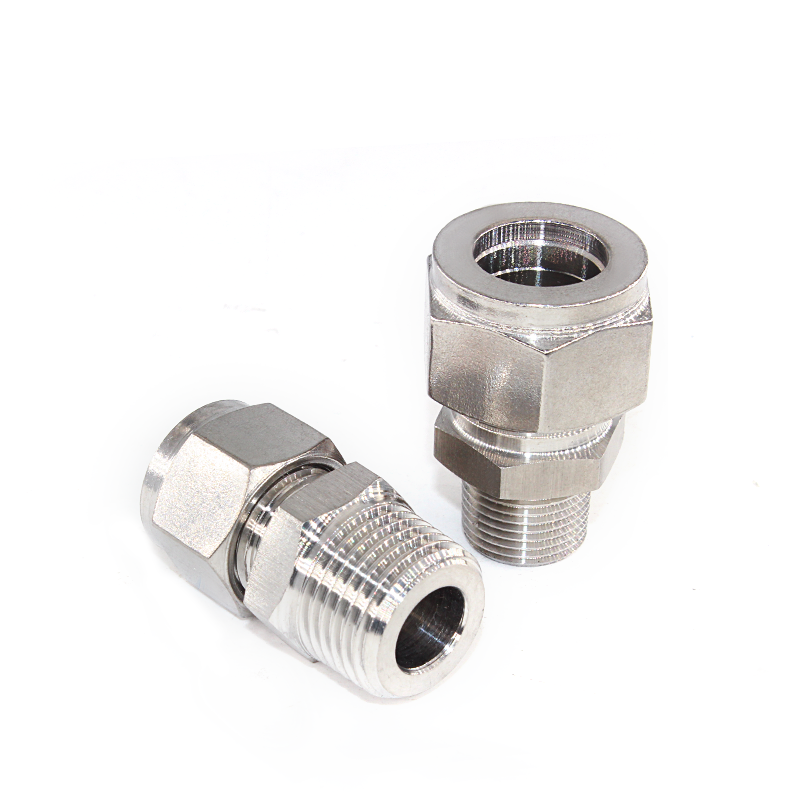
Types of Ferrule Fittings
Ferrule fittings mainly come in two designs: single ferrule and double ferrule (twin ferrule). Single ferrule fittings have one ring that compresses against the tube for sealing, making them simpler and often more cost-effective. However, double ferrule fittings use two rings—the front ferrule grips the tube while the back ferrule locks everything in place. This provides better vibration resistance and a stronger, more reliable seal, ideal for high-pressure or critical applications.
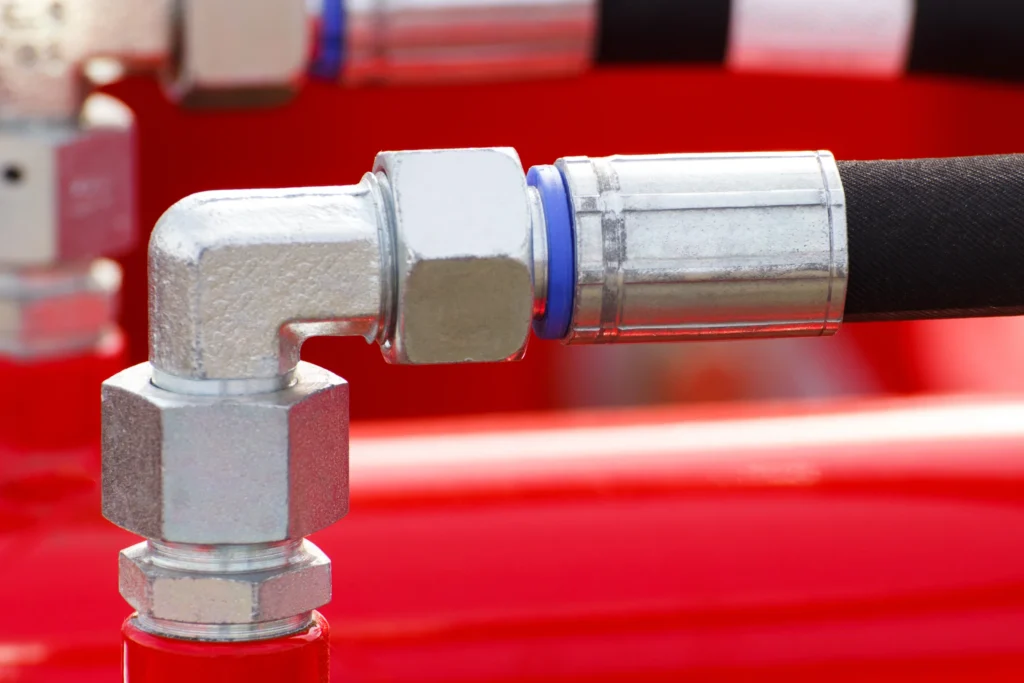
Common ferrule fitting configurations include straight unions, elbows, tees, reducers, and bulkhead fittings, covering most piping and tubing needs. These various shapes help adapt your tubing system to layout requirements without sacrificing the tight seal ferrule fittings are known for.
There’s also a key difference between hydraulic ferrule fittings and instrumentation ferrule fittings. Hydraulic fittings are built for high pressure and fluid power systems, emphasizing durability and toughness. In contrast, instrumentation ferrule fittings are designed for precise control in low to medium pressure environments, often focusing on clean, leak-tight performance with delicate or hazardous media.
Whether you need a robust hydraulic fitting or a precise instrumentation tube fitting, choosing the right type impacts both system reliability and overall ferrule fitting price. For more on compression ferrule fittings, check out detailed product options like those offered in this compression fitting ferrule collection.
Materials Used in Ferrule Fittings
Ferrule fittings come in various materials, each suited for different needs and price points. The most common is stainless steel (304/316), prized for its excellent corrosion resistance and strength, making it ideal for high-pressure and harsh environments. These fittings hold up well in chemical, food processing, or marine applications where durability is crucial.
Brass ferrule fittings offer a more affordable option. They work great for lower-pressure systems and less demanding conditions, like instrumentation or general plumbing. Brass is easy to machine and provides decent corrosion resistance, but it’s not ideal for extremely high-pressure or corrosive setups.
Besides stainless steel and brass, you’ll also find ferrule fittings made from carbon steel and various alloy steels, which can meet specific mechanical or temperature requirements. Carbon steel fittings often come with protective coatings to fight rust and are typically priced lower than stainless steel but higher than brass.
Your choice of material impacts not only the durability but also the price of ferrule fittings. Stainless steel tends to cost more due to its superior performance, while brass is a budget-friendly option for simpler needs. Always consider the application’s pressure level, temperature, and fluid type before deciding.
For those exploring customization or bulk buying, suppliers like ZZJYT provide a range of material options to match your project’s specifications without compromising quality or cost efficiency.
Factors Influencing Ferrule Fitting Prices
Several key factors determine the ferrule fitting price, making it important to understand what affects costs before buying.
- Material grade and quality: Stainless steel ferrule fittings, especially 316 stainless, cost more due to corrosion resistance and high-pressure suitability. Brass is cheaper but best for low-pressure setups. Higher-grade alloys or custom materials push prices up.
- Size and configuration: Sizes usually range from 1/8″ to 2″ tube OD (and metric equivalents). Larger sizes, complex shapes like elbows or bulkhead fittings, and specialized configurations generally cost more due to increased material and manufacturing complexity.
- Single vs. double ferrule design: Double ferrule or twin ferrule fittings offer better sealing and vibration resistance but have a higher price tag compared to single ferrule fittings, reflecting their advanced design and performance benefits.
- Quantity (retail vs. wholesale): Buying in bulk from wholesale ferrule fittings suppliers often leads to significant discounts, lowering the unit price. Retail purchases typically cost more per piece.
- Brand vs. compatible alternatives: Premium brands like Swagelok or Parker tend to charge a premium for guaranteed quality and certifications. Compatible or custom ferrule fittings suppliers, such as ZZJYT ferrule compression fitting, offer more competitive pricing without sacrificing reliability.
- Current market trends: Raw material prices fluctuate, impacting ferrule fitting costs in 2026 and beyond. Steel and brass price rises will reflect on all compression fittings, so keeping an eye on the market helps in cost planning.
Understanding these price drivers helps you balance quality and budget for your specific application, whether it’s high-pressure hydraulic lines or instrumentation setups.
Average Price Ranges for Ferrule Fittings (2026 Estimates)
When shopping for ferrule fittings in 2026, prices vary based on material, design, and supplier. Here’s a quick overview to help you budget wisely:
| Ferrule Fitting Type | Typical Price Range (USD) | Notes |
|---|---|---|
| Brass single ferrule fittings | $1.50 – $4.00 per piece | Entry-level, suited for low to medium pressure |
| Stainless steel double ferrule fittings | $5.00 – $15.00 per piece | Mid-to-high range, ideal for high pressure and corrosion resistance |
| Hydraulic ferrule sets | $20.00 – $60.00 per set | Specialized pricing for hydraulic systems |
Retail vs. Wholesale Pricing at ZZJYT
Buying in bulk or wholesale often slashes costs significantly. For example, at suppliers like ZZJYT, wholesale purchases can offer discounts up to 30% compared to retail pricing. Plus, ZZJYT provides options for fitting customization and global shipping, which adds value for international buyers.
Tips for Cost Savings
- Bulk Orders: Purchase in larger quantities to unlock discounts.
- Customization: Customized fittings can reduce waste and improve system efficiency.
- Compatible Alternatives: Explore reliable compatible fittings to save money without sacrificing quality.
- Supplier Deals: Check suppliers like ZZJYT for combo deals or seasonal offers.
For precision-required setups, consider checking out ZZJYT’s range of high-quality ferrule fittings and leverage their wholesale pricing to maximize value.
Top Brands and Alternatives
When it comes to ferrule fittings, premium brands like Swagelok, Parker, and Hy-Lok are well-known for their superior quality, reliability, and consistent performance. Expect to pay a premium price for their advanced engineering and rigorous testing, making them ideal for critical high-pressure and instrumentation applications.
For those looking to balance cost with quality, there are cost-effective compatible fittings from reputable manufacturers that meet industry standards without the high price tag. These options are popular for less demanding hydraulic or pneumatic setups, offering good durability and sealing performance at a fraction of the cost.
A standout name in the market is ZZJYT, a trusted ferrule fitting supplier known for high-quality stainless steel and brass compression fittings. ZZJYT offers custom ferrule fittings, flexible minimum order quantities, and competitive wholesale pricing ideal for bulk purchases. They also provide global shipping, making it easy to source anything from standard tube compression fittings to specialized double ferrule designs. Check out their full range of offerings in the ferrule fittings category to find reliable solutions tailored to your needs.
Buyer’s Guide: How to Choose the Right Ferrule Fitting
Choosing the right ferrule fitting is key to ensuring your system runs smoothly and safely. Here’s a plain guide to help you pick the best fit.
1. Assess Application Needs
- Pressure: Check the max working pressure your system requires — high-pressure setups usually need stainless steel double ferrule fittings.
- Temperature: Consider temperature ranges; some materials handle heat better. For instance, 316 stainless steel works well in extreme conditions.
- Media Compatibility: Ensure the fitting material resists the fluid or gas (corrosive, oily, etc.) in your system.
2. Sizing and Compatibility Checklist
| Item | What to Check |
|---|---|
| Tube Size (OD) | Match the ferrule fitting size to your tube outer diameter (1/8″ to 2″ common) |
| Thread Type | Ensure fitting threads match your tubing or ports (metric or imperial) |
| Configuration | Choose correct fitting style (straight, elbow, tee) to fit your layout |
| Material Compatibility | Material should withstand system conditions and environment |
3. Single vs. Double Ferrule Decision Matrix
| Feature | Single Ferrule | Double Ferrule |
|---|---|---|
| Sealing Strength | Good for low-medium pressure | Superior; better leak prevention |
| Installation Ease | Easier, less parts | Slightly more complex |
| Vibration Resistance | Moderate | High; ideal for vibration-heavy systems |
| Cost | Lower | Higher |
Choose double ferrule fittings if you need stronger sealing and vibration resistance.
4. Red Flags When Comparing Prices
- Too cheap? Be wary of fittings that are unusually low-priced—they often compromise on material quality or precision.
- Unknown brands? Unknown or no brand info can signal unreliable performance.
- Lack of certifications like ISO or industry approvals may indicate poor manufacturing standards.
5. Questions to Ask Suppliers
- What materials do you offer, and can you customize ferrule fittings?
- Are your fittings tested for the pressure and media I need?
- Do you provide wholesale pricing or discounts for bulk orders?
- How do you handle quality control and certification?
- Can you ship internationally and what are the lead times?
For suppliers offering customization and competitive pricing, suppliers like ZZJYT provide flexible solutions fitting various hydraulic and instrumentation needs.
By following this guide, you can confidently select the right ferrule fitting that matches your system’s demands and budget without sacrificing quality.
Installation and Maintenance Tips for Longevity
Proper ferrule fitting installation is key to ensuring leak-free connections and long service life. Here’s a simple step-by-step guide to get it right every time:
- Cut the tube squarely – Use a proper tube cutter to avoid angled or crushed edges.
- Deburr the inside and outside – Remove sharp edges so the ferrule seats properly.
- Insert the ferrule(s) and nut – Slide these components onto the tube in the correct order (nut first, then ferrule).
- Insert the tube into the fitting body – Push it fully in until it seats firmly.
- Tighten the nut by hand – Then tighten further with a wrench, typically by 1-1.25 turns past finger tight for stainless steel fittings (follow specific manufacturer guidance).
- Check for leaks – Test the system under pressure to catch any issues early.
Common mistakes to avoid
- Over-tightening nuts can deform ferrules and cause leaks or damage.
- Reusing ferrules is a big no; always replace ferrules with each installation.
- Not properly deburring before assembly leads to poor seals and system failure.
- Mixing components from different brands or materials risks compatibility problems.
Maintenance for optimal performance
- Periodically inspect fittings for signs of leaks or corrosion, especially in high-pressure or harsh environments.
- Tighten loose nuts as needed but avoid over-tightening.
- Replace damaged or worn ferrules immediately rather than trying to repair.
- Use compatible replacement parts sourced from trusted ferrule fitting suppliers to maintain system integrity.
Following these tips will ensure the durability and reliability of your ferrule compression fittings, saving you both time and money over the long run. For high-quality, customizable ferrule fittings and expert advice, consider trusted suppliers with global reach, such as ZZJYT’s customized options.
Where to Buy Ferrule Fittings at Competitive Prices
When shopping for ferrule fittings, you have two main options: online marketplaces or direct suppliers. Online platforms offer variety and quick comparison, but prices can be higher and quality less consistent. Direct suppliers often provide better pricing, especially on bulk ferrule fittings, plus tailored support and customization options.
Benefits of wholesaler partnerships:
- Lower unit costs through bulk orders
- Access to customized ferrule fitting solutions
- Reliable supply and consistent product quality
- Expert advice on selecting stainless steel ferrule fittings or brass compression ferrules
- Better warranty and after-sales services
For competitive pricing, especially if you need custom ferrule fittings or wholesale ferrule fittings discounts, partnering directly with a trusted ferrule fitting supplier like ZZJYT is smart. They offer a wide range of stainless steel and brass ferrule fittings, double ferrule compression fittings, and hydraulic tube fittings at attractive prices.
| Buying Option | Pros | Cons |
|---|---|---|
| Online Marketplaces | Wide variety, easy comparison | Higher prices, quality varies |
| Direct Suppliers (e.g., ZZJYT) | Bulk discounts, customization, reliable quality | Smaller selection, sometimes MOQ |
Ready to save on your next purchase? Contact ZZJYT for quotes, custom ferrule fitting options, and exclusive bulk deals tailored to your industry needs. Explore their stainless steel ferrule fittings to get started today.