How Ferrule Fittings Work
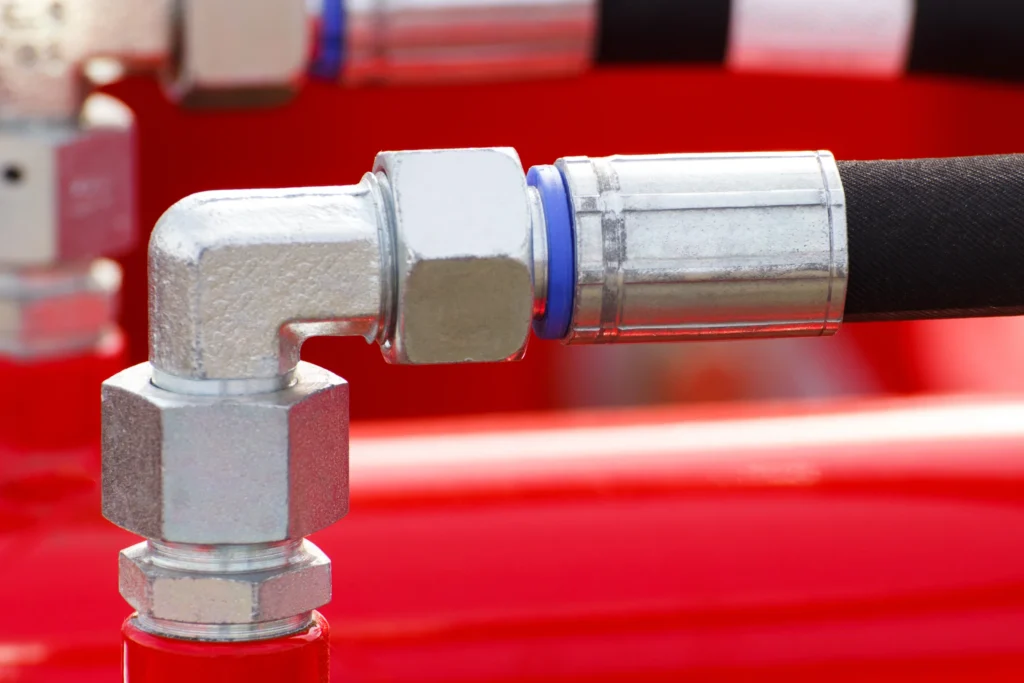
Ferrule fittings are widely used for creating leak-proof tube connections without welding or threading. At their core, these fittings consist of a few key components: the body, the nut, the front ferrule, and, in double ferrule fittings, a back ferrule. Each part plays a vital role in ensuring a tight, secure seal.
The magic happens through a mechanical gripping and sealing process. When you tighten the nut, the ferrule(s) compress onto the tubing surface. The front ferrule primarily seals against the tube, while the back ferrule (in double ferrule designs) grips the tube firmly to prevent slippage. This combined action is often called compression and swaging.
Here’s a step-by-step look at how it works:
- Slide the nut onto the tubing followed by the ferrule(s).
- Insert the tubing into the fitting body until it bottoms out.
- Tighten the nut by hand and then use a wrench to apply the recommended torque.
- As the nut tightens, the ferrules are compressed, causing them to deform slightly.
- This deformation creates a metal-to-metal seal and securely locks the tubing in place.
Compared to welded or threaded connections, ferrule fittings offer several advantages:
- No heat or flame required—meaning safer and faster installation.
- Minimal risk of leaks thanks to the metal-to-metal seal.
- Easier to disassemble and reuse, reducing downtime.
- Ideal for use in high-pressure and high-vibration environments where threaded fittings may loosen.
This combination of reliability, ease of use, and durability makes ferrule fittings a top choice in industries like instrumentation, hydraulics, and process control.

Types of Ferrule Fittings
Single Ferrule Fittings
Single ferrule fittings feature a straightforward design, typically combining the body, nut, and one ferrule. During assembly, the ferrule compresses around the tubing, creating a seal and mechanical grip simultaneously. This simplicity makes installation easier, requiring fewer parts and less time. These fittings are cost-effective and popular for many standard applications. However, their pressure ratings tend to be lower compared to double ferrule designs, making them less ideal for high-pressure or highly demanding environments.
Double Ferrule Fittings
Double ferrule fittings use two distinct ferrules: a front ferrule that seals the connection and a back ferrule that grips the tubing securely. This split design delivers superior seal integrity and higher pressure tolerance. Double ferrule fittings also offer better resistance to vibration and shock, making them preferred in more critical systems where leak-tight performance is vital. The drawback is having more components, which results in slightly more complex assembly and potentially higher costs.
Common Configurations
Ferrule fittings come in various configurations to suit different tubing layouts and system designs. Popular types include:
- Straight unions
- Elbows (90° and 45°)
- Tees for branch connections
- Reducers for connecting different tubing sizes
- Bulkhead fittings for panel or enclosure interfaces
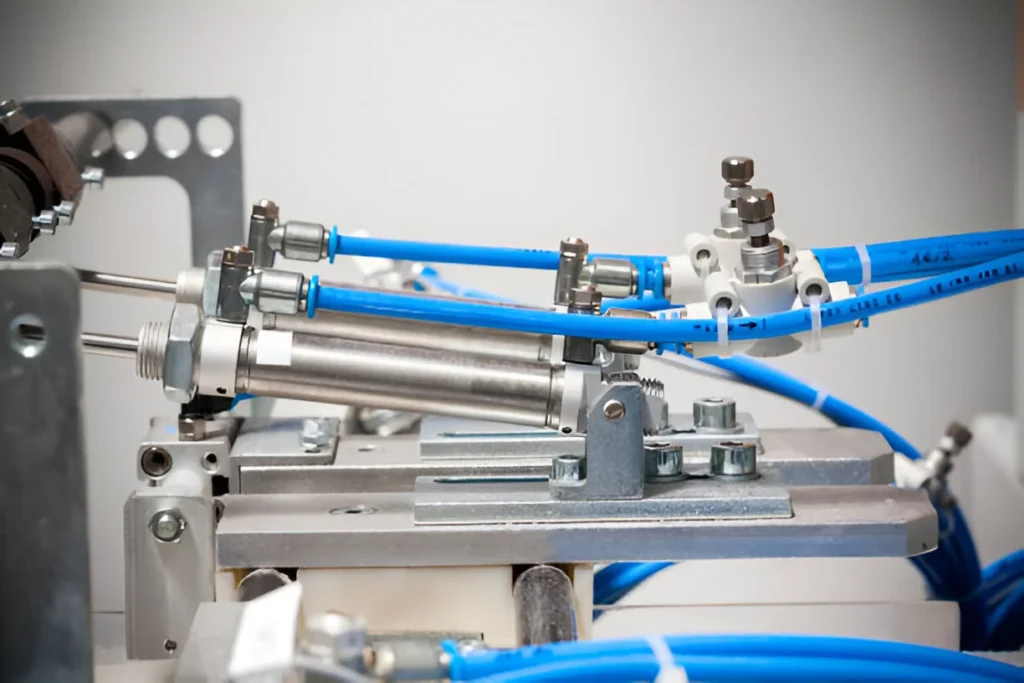
These options ensure ferrule fittings adapt flexibly across industries, including instrumentation, hydraulic, and pneumatic systems.
For more on compatible fittings and connectors, check out our range of pneumatic push-to-connect fittings, ideal for quick and reliable tube connections.
Materials and Specifications of Ferrule Fittings
Ferrule fittings come in a variety of materials to suit different applications and environments. The most common materials include:
| Material | Key Features |
|---|---|
| 316 Stainless Steel | Excellent corrosion resistance, good for harsh environments and high purity systems |
| Brass | Cost-effective, good for low to medium pressure, suitable for water and air |
| Carbon Steel | High strength, used in heavy-duty and high-pressure systems |
| Alloys | Specialized alloys for extreme temperatures or corrosive media |
Factors Influencing Material Choice
- Corrosion resistance: Crucial for chemical, pharmaceutical, or marine uses where exposure to moisture or aggressive fluids occurs.
- Temperature range: Materials must withstand the operating temperature without losing integrity.
- Media compatibility: The material must be compatible with the fluid or gas in the tubing to avoid reactions or contamination.
Size and Pressure Ratings
Ferrule fittings are available in both metric sizes from 6mm to 42mm and imperial sizes ranging from 1/8″ to 2″ to fit various tubing standards globally.
| Size Range | Pressure Rating (approx.) | Notes |
|---|---|---|
| 6mm – 42mm (metric) | Up to 6000 psi (depending on tubing wall thickness) | Sizes suit instrumentation and hydraulic systems |
| 1/8″ – 2″ (imperial) | Similar range, varies with material and tube thickness | Common in industrial and process control |
Pressure and temperature ratings largely depend on the tubing wall thickness, material strength, and design of the ferrule fitting. Always check manufacturer specs for exact limits.
For applications involving pneumatic or hydraulic controls, consider matching ferrule fittings with compatible components like the 4HV series mechanical valve for optimal system performance.
Choosing the right material and size ensures a reliable, leak-proof tube connection tailored to your system’s needs.
Key Benefits and Advantages of Ferrule Fittings
Ferrule fittings offer reliable, leak-proof tube connections that excel in critical systems. Their design ensures a strong seal and mechanical grip, minimizing the risk of leaks even under high pressure or vibration.
| Benefit | Description |
|---|---|
| Leak-tight Performance | Ideal for preventing fluid or gas leaks in sensitive applications. |
| Vibration & Shock Resistance | Robust against movement, making them perfect for dynamic environments. |
| Reusability | Can be disassembled and reassembled without damaging the fitting or tubing. |
| No Special Tools Needed | Installation requires common hand tools, simplifying setup and maintenance. |
| Compatibility | Suitable for a wide range of tubing materials such as stainless steel, brass, and carbon steel. |
This versatility makes ferrule fittings popular in sectors like instrumentation, hydraulics, and pneumatic systems. Their straightforward installation and dependable sealing help reduce downtime and maintenance costs.
For high-quality stainless steel fittings that combine easy assembly with durable performance, you can explore options like the PU stainless steel locknut connector.
Using ferrule fittings means you get a combination of strong sealing, ease of repair, and broad compatibility—all without having to invest in special tools or complicated processes.
Applications and Industries
Ferrule fittings play a crucial role across many industries thanks to their reliable, leak-proof tube connections and easy installation. In oil and gas, petrochemical, and refining sectors, these fittings handle high-pressure tubing systems where safety and durability are non-negotiable. Their corrosion resistance and secure sealing help prevent leaks in harsh, volatile environments.
In instrumentation and process control, ferrule fittings provide precise, vibration-resistant connections essential for accurate measurements and stable system performance. These industrial settings often use stainless steel ferrule fittings due to their clean, reliable connections.
For hydraulic and pneumatic systems, ferrule fittings offer strong, dependable seals that withstand pressure fluctuations and shock without compromising tubing integrity. Both single and double ferrule fittings are common here, with double ferrule designs favored for higher pressure tolerance.
Ferrule fittings are also key in highly regulated fields like pharmaceutical, food processing, and semiconductor manufacturing, where cleanliness, contamination prevention, and material compatibility are vital. Their compatibility with a wide range of tubing materials and easy disassembly make maintenance straightforward.
Lastly, aerospace and high-purity applications rely on ferrule fittings to maintain stringent leak-tight standards under extreme conditions. The precise engineering and material quality of fittings from trusted manufacturers meet these demanding requirements.
For specialized uses, consider high-quality tubing connections from trusted sources offering vacuum fittings or push-to-connect pneumatic fittings to ensure optimal performance tailored to your industry needs.
Installation Guide for Ferrule Fittings
Tools Required and Preparation Steps
To install ferrule fittings correctly, you’ll need basic tools like a tube cutter, deburring tool, adjustable wrenches, and a torque wrench. Start by cutting the tubing squarely—clean cuts are vital for a proper seal. Next, deburr the inside and outside edges of the tube to remove sharp edges and metal shavings that can damage the ferrule or prevent a tight fit.
Assembly Instructions for Single and Double Ferrule Fittings
- Single Ferrule: Slide the nut onto the tube, followed by the ferrule. Insert the tube firmly into the fitting body. Tighten the nut by hand until it’s snug, then use a wrench to turn the nut about 1 to 1.25 turns further without over-tightening.
- Double Ferrule: For double ferrule fittings, insert both the front and back ferrules after the nut. The front ferrule forms the seal, while the back ferrule grips the tube during tightening. Tighten the assembly hand-tight and then use a wrench to apply about 1 to 1.5 additional turns.
Torque Specifications and Common Mistakes
Proper torque is key. Over-tightening can deform the ferrules and tubing, causing leaks or damage. Under-tightening will lead to poor sealing and connection failure. Always follow manufacturer torque guidelines but generally, 1 to 1.5 turns past finger-tight is standard for most fittings. Avoid using lubricant on threads unless specified.
Inspection and Leak Testing
After assembly, inspect connections visually and check tightness with a torque wrench if possible. Perform a leak test by pressurizing the system with air or fluid and watching for bubbles or drops. Retighten carefully if leaks appear but do not exceed recommended torque. Proper installation ensures your ferrule fittings maintain a leak-proof tube connection, critical for reliable system performance.
For detailed assistance with pneumatic ferrule fittings, you can explore our guide on ferrule fitting installation, which covers best practices and tool recommendations.
Selection and Buying Guide for Ferrule Fittings
When selecting ferrule fittings, consider these key factors to ensure a reliable and safe connection:
- Pressure Requirements: Match fittings to your system’s maximum operating pressure. Double ferrule fittings are better for high-pressure or demanding environments, while single ferrule fittings suit lower-pressure setups.
- Tubing Material: Check compatibility with the tubing material—stainless steel ferrule fittings work well with stainless steel tubes, while brass or carbon steel ferrules suit their respective tubing types.
- Environmental Conditions: Account for temperature extremes, corrosion potential, and media type. Choose materials like 316 stainless steel for corrosive or high-temperature applications.
- Thread Type: Confirm thread standards—common types include NPT and metric threads. Using the right thread ensures leak-proof connections and ease of assembly.
Single vs. Double Ferrule: When to Choose Each
- Single Ferrule Fittings: Ideal for simple installations where cost and ease matter. Use in lower-pressure or less critical applications.
- Double Ferrule Fittings: Best for high-pressure, vibration-prone, or safety-critical systems. Their design offers superior sealing and grip.
Tips for Sourcing Reliable Suppliers and Wholesalers
- Look for suppliers with clear quality certifications and product traceability. This assures you’re getting genuine, tested compression tube fittings.
- Choose manufacturers offering customization options for your project’s unique specifications.
- Consider suppliers known for consistent delivery, competitive ferrule fitting price, and technical support.
For example, trusted brands like ZZJYT provide high-quality ferrule fitting solutions with customization and wholesale options to fit various industries and tubing configurations.
Selecting the right ferrule fitting supplier makes all the difference in installation ease and long-term reliability. For help choosing fittings compatible with your tubing system, explore our detailed selection guides and product ranges.
Maintenance, Troubleshooting, and Best Practices for Ferrule Fittings
Keeping your ferrule fittings in top shape means routine inspection and proper remake procedures are essential. Regularly check for signs of leaks, ferrule damage, or tubing deformation to catch issues early before they escalate.
Common Issues with Ferrule Fittings
- Leaks: Often caused by improper installation, worn ferrules, or damaged tubing surfaces.
- Ferrule Damage: Can result from over-tightening, corrosion, or repeated disassembly.
- Tubing Deformation: Usually due to incorrect tube cutting, bending, or excessive compression.
Solutions and Preventive Measures
- Inspect connections regularly for any visible wear or leaks.
- When remaking fittings, always use the correct torque to avoid over-tightening or under-tightening.
- Replace damaged ferrules instead of reusing to ensure reliable sealing.
- Properly prepare tubes by cutting squarely and deburring edges to prevent deformation and leaks.
- Use appropriate ferrule fittings designed for your tubing material and pressure requirements to avoid premature failure.
Following these best practices not only extends the life of your compression tube fittings but also ensures leak-proof tube connections in critical systems. For high-quality tubing and fitting solutions, consider suppliers like ZZJYT that offer durable, precision-engineered products suited for demanding applications.
Why Choose ZZJYT Ferrule Fittings
ZZJYT is a trusted ferrule fitting supplier and manufacturer known for quality and reliability. Their focus on high-quality materials like stainless steel and brass, combined with precise engineering, ensures every fitting meets strict performance standards.
| Features | Benefits |
|---|---|
| Premium material grades (316 stainless steel, alloys) | Long-lasting, corrosion-resistant fittings |
| Precision engineering | Leak-proof tube connections every time |
| Competitive pricing | Cost-effective solutions without compromise |
| Customization options | Tailored ferrule fittings for unique projects |
| Wholesale availability | Reliable supply for large-scale industrial needs |
ZZJYT’s customization capabilities allow you to get fittings that suit your exact specifications, ideal for both single and double ferrule applications. Plus, their commitment to producing compression tube fittings that perform well under high pressure and vibration makes them a top choice for demanding industries.
For a smooth installation experience, check out related options like pneumatic connectors and push-to-connect fittings designed to complement your ferrule fittings setup.
Choose ZZJYT for dependable, precision-engineered ferrule fittings that consistently deliver leak-tight performance in critical systems worldwide.